
- Sainsbury’s and Morrisons held exploratory merger talks between November 2025 and February 2026.
- A combination would have controlled roughly 24 per cent of the UK grocery market.
- Pricing, Morrisons’ debt and potential regulatory scrutiny all stand in the way of a deal.
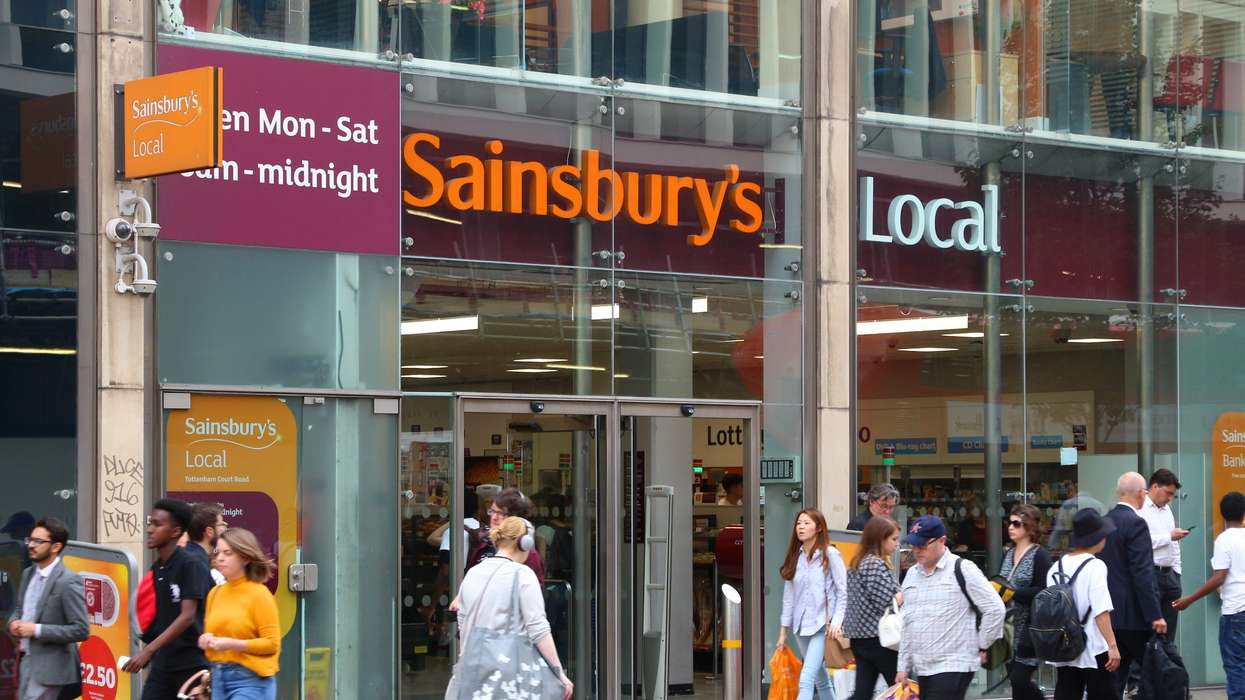
Sainsbury’s could have been on course for a major challenge to Tesco’s dominance of the UK grocery market after exploring a merger with Morrisons, but the talks ended without a deal.
The UK’s second-largest supermarket reportedly held preliminary discussions with Morrisons between November 2025 and February 2026 before walking away. There are currently no active talks, although people close to the situation have not ruled out discussions restarting in the future.
A combination would have created a supermarket group with a market share of roughly 24 per cent, putting it within striking distance of Tesco, which holds around 28 per cent. Sainsbury’s has a 15.6 per cent share and Morrisons 8.4 per cent, according to the latest Worldpanel by Numerator data cited in reports.
That would have made the proposed deal one of the biggest shake-ups in British grocery retail in years.
Why did Sainsbury’s and Morrisons talks end?
The discussions did not result in an agreement, with reports indicating that differences over price were a key reason Sainsbury’s eventually walked away.
Neither Sainsbury’s nor Morrisons has publicly confirmed the details of the talks.
For Sainsbury’s, there was also a question of whether taking on Morrisons would make financial sense at a time when the supermarket is pursuing its own strategy to improve efficiency and returns.
Deutsche Bank nevertheless sees Sainsbury’s as a logical strategic buyer of Morrisons. Analyst Benjamin Yokyong-Zoega said a deal could provide greater scale, increase purchasing power and add Morrisons’ vertically integrated food-supply operations to Sainsbury’s.
It could also provide an exit for Morrisons’ owner, US private equity firm Clayton, Dubilier & Rice, which bought the supermarket in 2021.
But Morrisons comes with a substantial debt burden. Its debt stood at around £7.5 billion following the private equity takeover, creating another major consideration for any potential buyer.
The supermarket has since been carrying out a major cost-cutting and turnaround programme.
Could a Sainsbury’s-Morrisons merger beat Tesco?
Not immediately.
The combined company would still have been smaller than Tesco, whose market share stands at about 28.1 per cent in the latest figures cited by analysts. But it would have been comfortably ahead of Asda, at around 11.5 per cent.
That scale could have given Sainsbury’s greater bargaining power with suppliers and a larger store network across the UK.
It would also have strengthened its position against the rapidly expanding discount chains.
Aldi and Lidl have transformed the supermarket market since Sainsbury’s last major attempt at a merger. The two discounters now account for about 19 per cent of UK grocery sales, according to industry data, compared with a substantially smaller combined share in 2019.
Morrisons itself has already lost its position among Britain’s traditional “big four” supermarkets. Lidl overtook it to become the UK’s fifth-largest grocer this year.
That changing competitive landscape could strengthen the argument for consolidation, but it does not remove the regulatory problem.
Why would regulators scrutinise the deal?
The biggest warning sign for Sainsbury’s is what happened the last time it attempted a major supermarket merger.
In 2019, the Competition and Markets Authority blocked Sainsbury’s proposed £7.3 billion takeover of Asda, concluding that the combination could reduce competition and lead to higher prices for shoppers.
A Sainsbury’s-Morrisons deal would almost certainly face CMA scrutiny, although the grocery market has changed considerably since then.
The combined group’s roughly 24 per cent share would be below the approximately 30 per cent share that the proposed Sainsbury’s-Asda merger would have created. At the same time, Aldi and Lidl have gained significant market share, while online grocery shopping has also become more important.
That could give Sainsbury’s a different argument this time.
However, analysts expect competition concerns to remain significant, particularly where the two chains operate stores close to one another. A future deal could therefore require Sainsbury’s to sell some stores or other assets to secure regulatory approval.
For now, Deutsche Bank remains positive on Sainsbury’s even without Morrisons. With the shares last closing at 322.9p, its 390p price target implies roughly 21 per cent upside, alongside a ‘buy’ rating. Citi is more cautious, maintaining a ‘neutral’ rating and a £3.52 target.
So the Morrisons deal may be off the table for now, but the bigger message for Britain's supermarket industry is harder to ignore.
The market is changing, discount chains are gaining ground and debt is weighing on some of the traditional players. That could make supermarket consolidation increasingly attractive, even if getting a deal past the regulators remains difficult.