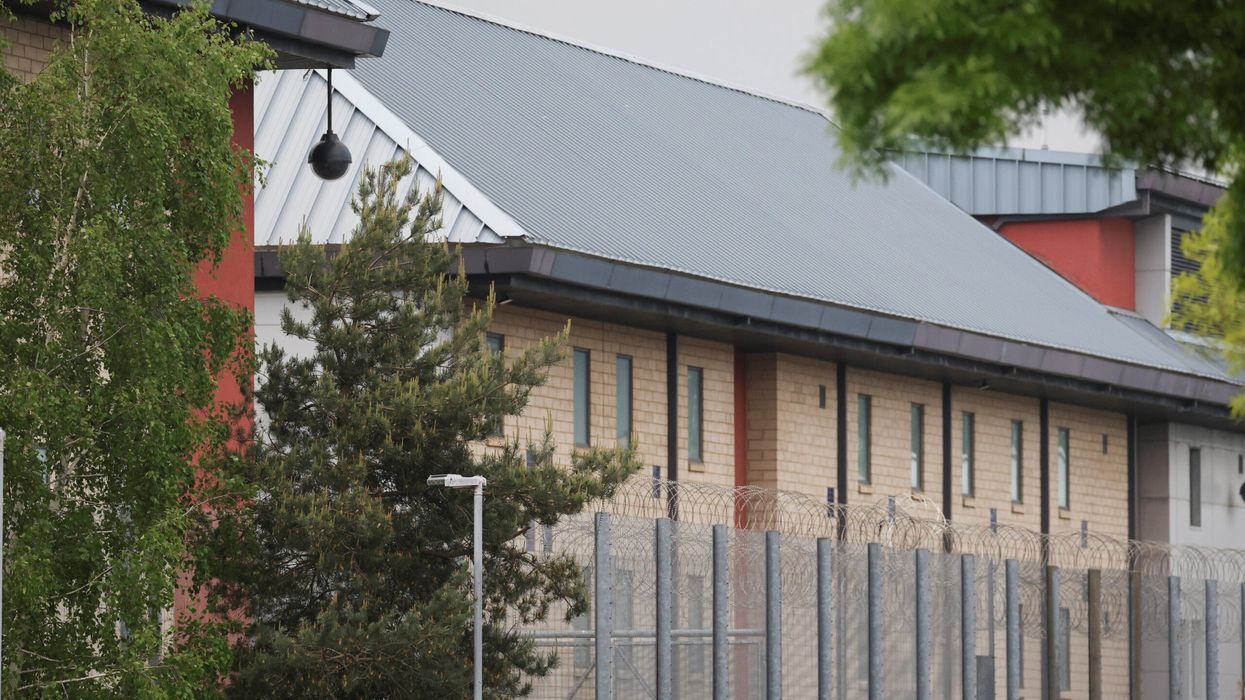

The Home Office has expanded the scope of the Rwanda deportation plan to include failed asylum seekers.
Under the original plan, only those who arrived in the UK on or after January 1, 2022 were eligible for deportation.
But now it has been expanded to include people who have already had a claim refused or withdrawn and are unable to appeal.
According to government figures, there were 24,310 refusals of asylum claims and 24,027 withdrawals last year alone, BBC reports.
The move is expected to face legal hurdles with campaigners planning to challenge the proposals in court.
Asylum Aid which helps victims of torture and trafficking is among the groups preparing for legal action.
Failed asylum seekers are already eligible for the voluntary removal scheme, where they are offered up to £3,000 to move to Rwanda.
The scheme was announced in April and the Home Office has not disclosed how many have taken up this offer.
The new announcement suggests that people who are reluctant to go voluntarily could still be detained and deported.
While announcing the expansion plan, home secretary James Cleverly said, "Those who have no right to remain in the UK should not be allowed to stay."
The Home Office said the first flights to Rwanda are on track to take off within nine weeks, and it has begun detaining illegal migrants.