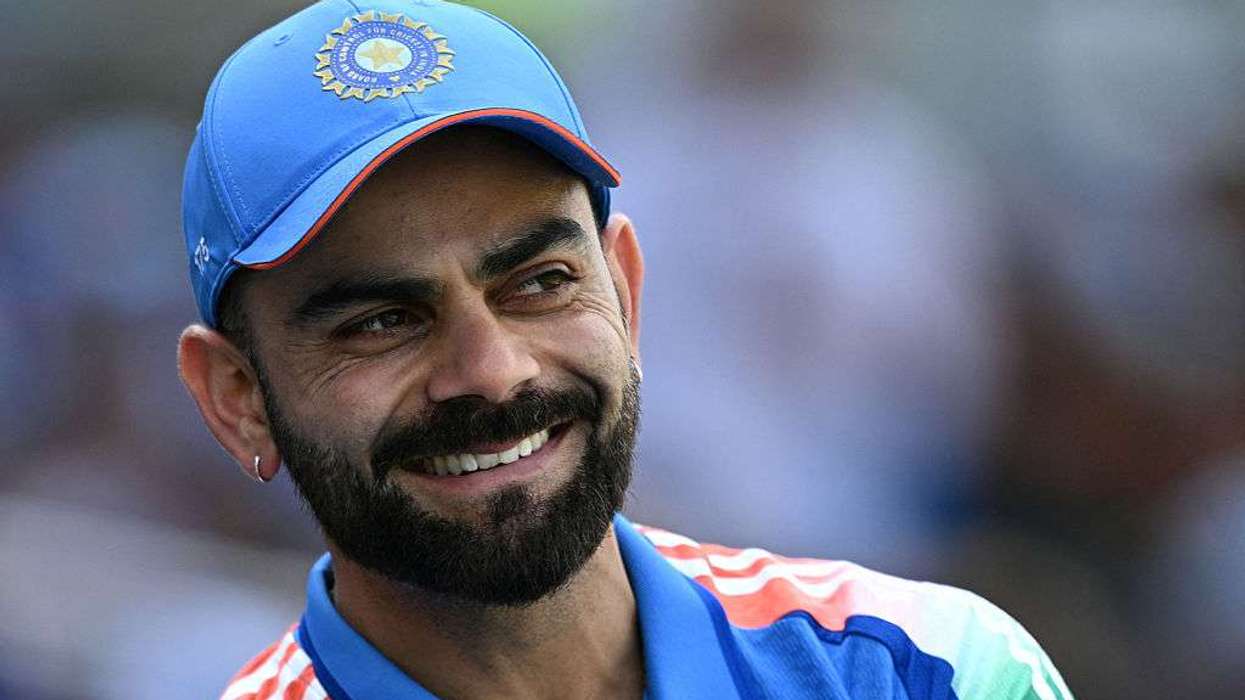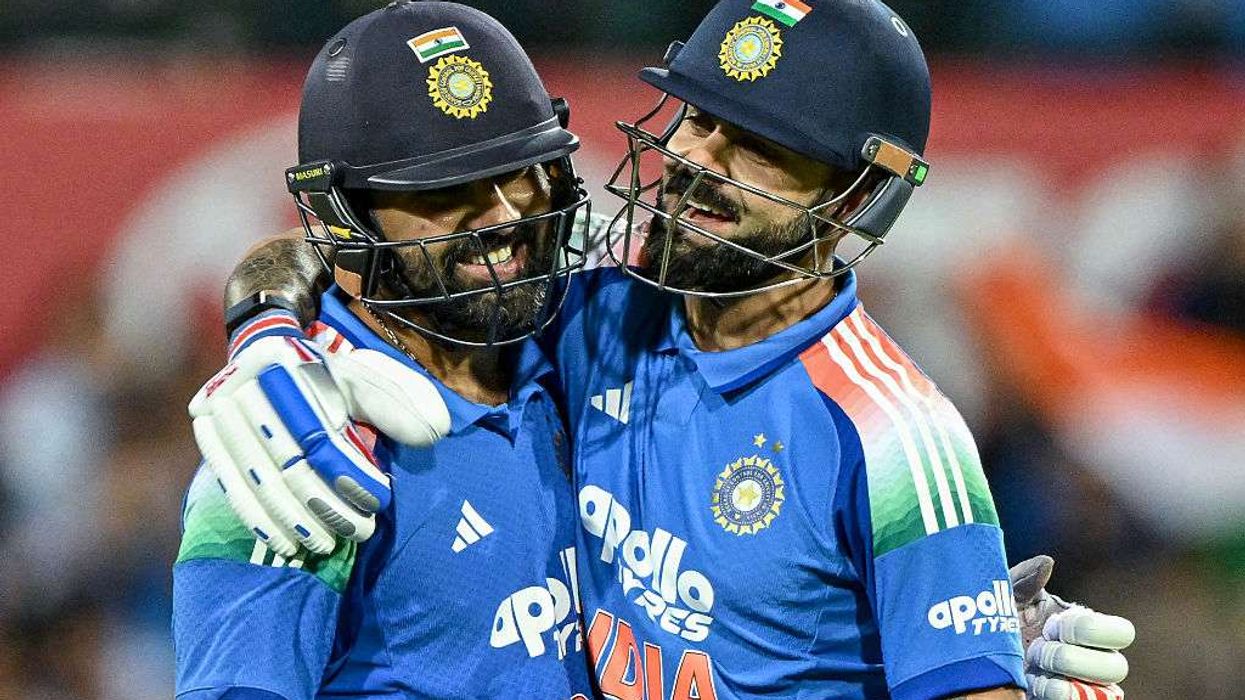

ROHIT SHARMA hit a century and Virat Kohli a bright 74 to drive India to a nine-wicket win in the third one-day international on Saturday (25), sending fans home happy after what are likely to be their final appearances in Australia in their country's colours.
Australia secured series honours with victories in the first two matches in Perth and Adelaide but India's bowlers skittled the home side for 236 and the two former skippers got the tourists over the line with a partnership of 168 runs.
"I've always loved coming here ... and a nice way to finish getting that knock and getting that win as well," said Rohit.
"I don't know if we'll be coming back to Australia, but it was fun all these years that we played here. A lot of good memories, bad memories. But all in all, I'll take the cricket that I played here."
Kohli, the second-highest run-scorer in ODIs behind Sachin Tendulkar, came out to join Sharma at the crease to a frenzied ovation from a big crowd that made the Sydney Cricket Ground feel more like it was located in New Delhi than New South Wales.
Rohit had already combined with current skipper Shubman Gill (24) to cut 69 runs out of the chase but this was the "Ro-Ko" partnership the massed ranks of fans in blue shirts waving tricolour flags had come to see.
The two thirtysomethings, who both now only play the 50-over game for India, duly delivered with assured shots and mature decision-making that frustrated then dispirited the Australian bowlers.
Rohit smashed 13 fours and three sixes in his 33rd century in the format, reaching the milestone for the ninth time against Australia with a pushed drive down the ground for a single.
Kohli, who had been dismissed for ducks in the previous two matches, brought up his 75th half-century to a huge roar with a single on one ball and Rohit locked in a 19th ODI century stand between the pair with another solitary run on the next delivery.
"When we bat together ... even back in the day, we used to think, if we have a big partnership, the kind of strokes we can play, we can really take the game away from the opposition," said Kohli. "The opposition also knew that if these guys are in for 20 overs together, any total is chaseable."
Rohit should have been caught on 108 after spooning a shot high into the night sky but was reprieved when Josh Hazlewood failed to get under it and finished 121 not out.
Kohli got the winning runs by clipping a short ball off the face of his bat for a four down to third man.
Earlier, Australia won the toss and elected to bat first at a venue where that decision had led to victory for the team concerned in the last nine ODIs.
All of Australia's top order got a start but only Matt Renshaw (56) managed to convert his innings into a half century, giving another boost to his hopes of reviving his long-stalled test career in time for the Ashes.
All-rounder Harshit Rana took 4-39 mopping up the Australian tail, curtailing the innings with the wickets of Cooper Connolly and Josh Hazlewood in the space of three balls.
Kohli took the catch at long off to send back Connolly, having earlier whipped the crowd into another frenzy with a sharp hold at forward square to dismiss Matthew Short for 30 off the bowling of Washington Sundar.
"We want to say thank you," Kohli concluded. "We've loved coming to this country and playing in front of such big crowds. And we've played some of our best cricket here as well."
(Reuters)