
Highlights
- Real Madrid trail FC Barcelona by six points after seven rounds of La Liga, sitting fourth on 15 points to Barcelona's 21
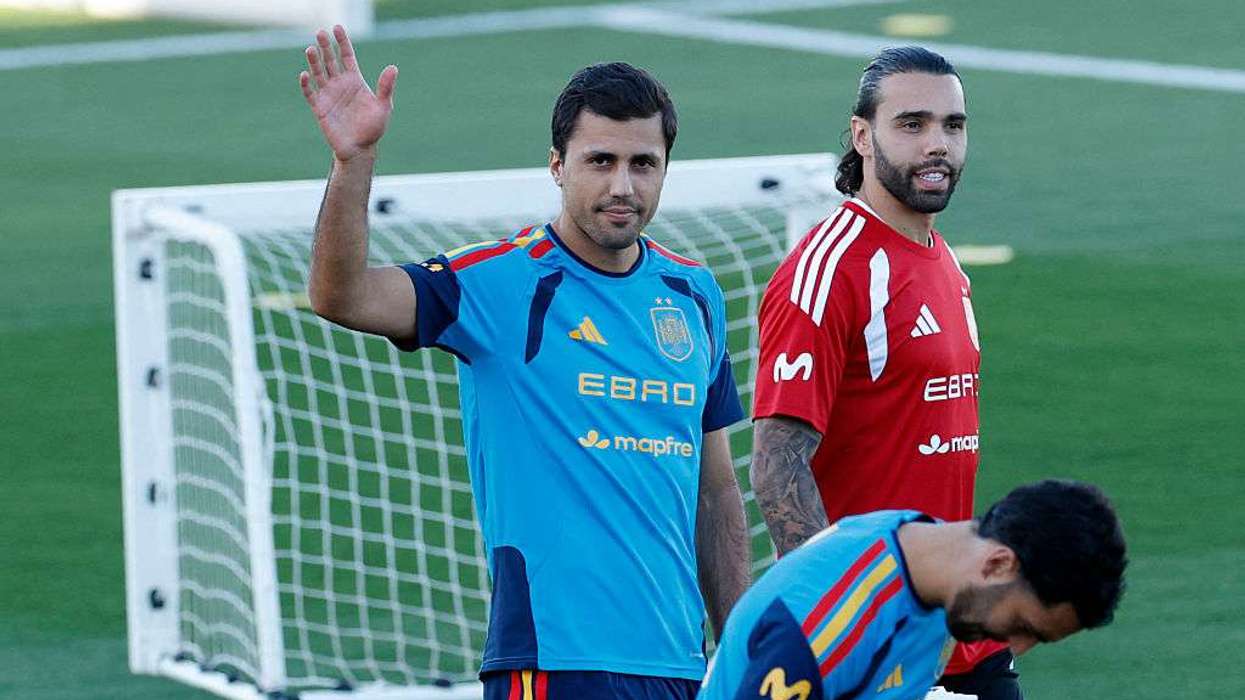
- Spanish newspaper Mundo Deportivo has named Rodri as one of the central reasons for Madrid's frustration this season
- Real Madrid wanted Rodri to fill the midfield gap left by Toni Kroos and Luka Modric; he chose Barcelona instead this summer
- Rodri has started well at Barcelona, anchoring their unbeaten run so far this season
Real Madrid have spent two years looking for someone to replace the control Toni Kroos and Luka Modric once gave their midfield. This summer, they thought they'd found him. Instead, he signed for Barcelona.
A six-point gap, and a familiar problem
According to Mundo Deportivo, Real Madrid now sit six points behind Barcelona after seven rounds of the season, with a gap in quality between the two sides that's become hard to ignore. The paper singled out Rodri as one of the sharpest sources of regret inside the club — not just as a player they missed out on, but as the specific fix for a problem they've been unable to solve since Kroos and Modric left.
The pitch Madrid made, and the one that worked
Real Madrid's interest in Rodri wasn't new. They'd tracked him for over a year, and when José Mourinho returned to the club in June, he reportedly made a personal case to the midfielder about the project he was building. But according to Spanish reports at the time, Madrid's approach dragged — while Barcelona moved faster and more decisively, with manager Hansi Flick personally involved in convincing Rodri to choose Camp Nou. By the time Madrid's interest firmed up, Rodri had already told Barcelona he preferred them, largely because their process didn't stall the way Madrid's had.
It's a familiar shape for a transfer regret: not a player who never wanted Madrid, but a club that hesitated long enough to lose him anyway.
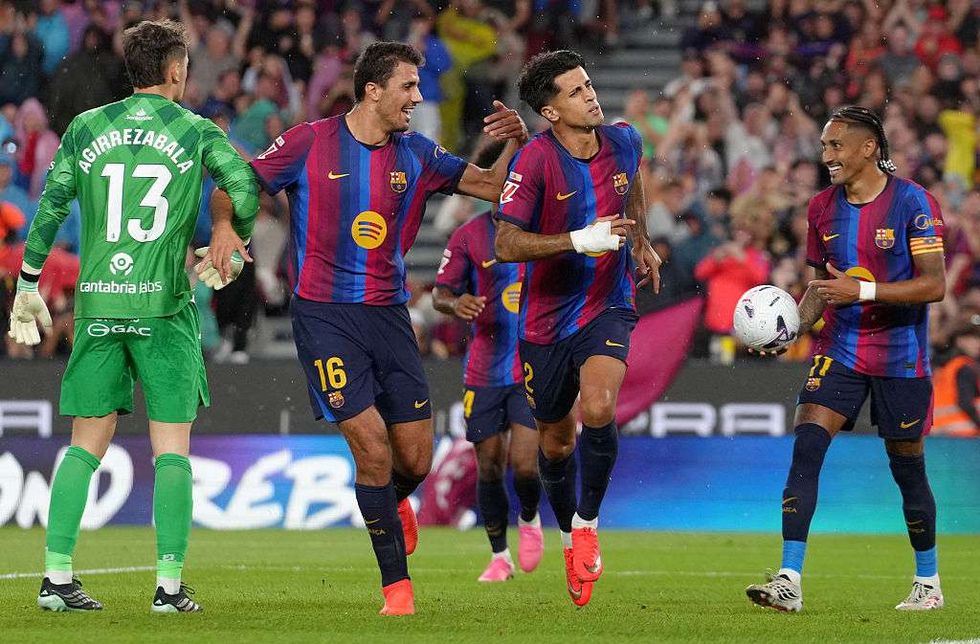 Joao Cancelo of FC Barcelona celebrates scoring his team’s first goal with teammate Rodri during the LaLiga EA Sports 2026/27 match between FC Barcelona and Real Racing Club de Santander at Spotify Camp Nou on September 16, 2026 in Barcelona, Spain. Alex Caparros/Getty Images
Why Barcelona signed him anyway
The strange part is that Barcelona didn't obviously need him. Their midfield was arguably the deepest area of Hansi Flick's squad already, stacked with academy talent coming through La Masia. Rodri arrived anyway, in a deal worth a reported €76.5 million, fresh off winning the World Cup with Spain and picking up the tournament's Golden Ball.
He made his Barcelona debut off the bench against Athletic Bilbao in August, then made his full debut — and his 100th La Liga appearance overall — in a 5-0 win over Valencia, sitting deep in front of the back line and giving Pedri license to push further forward. It's exactly the role Madrid imagined him playing for them.
What Rodri would have solved at Madrid
Real Madrid haven't had a natural successor to Kroos and Modric's control of midfield tempo since both left the club. Rodri, a deep-lying midfielder built for exactly that job, was seen internally as the closest thing to a like-for-like fix available on the market. Instead, Madrid go into this season's title race without him — and watch him do the job at Barcelona that they'd hoped he'd do at the Bernabéu.
Whether that gap closes over the rest of the season is still open. But for now, Mundo Deportivo's read is hard to argue with: Real Madrid didn't lose a transfer race so much as talk themselves out of one.