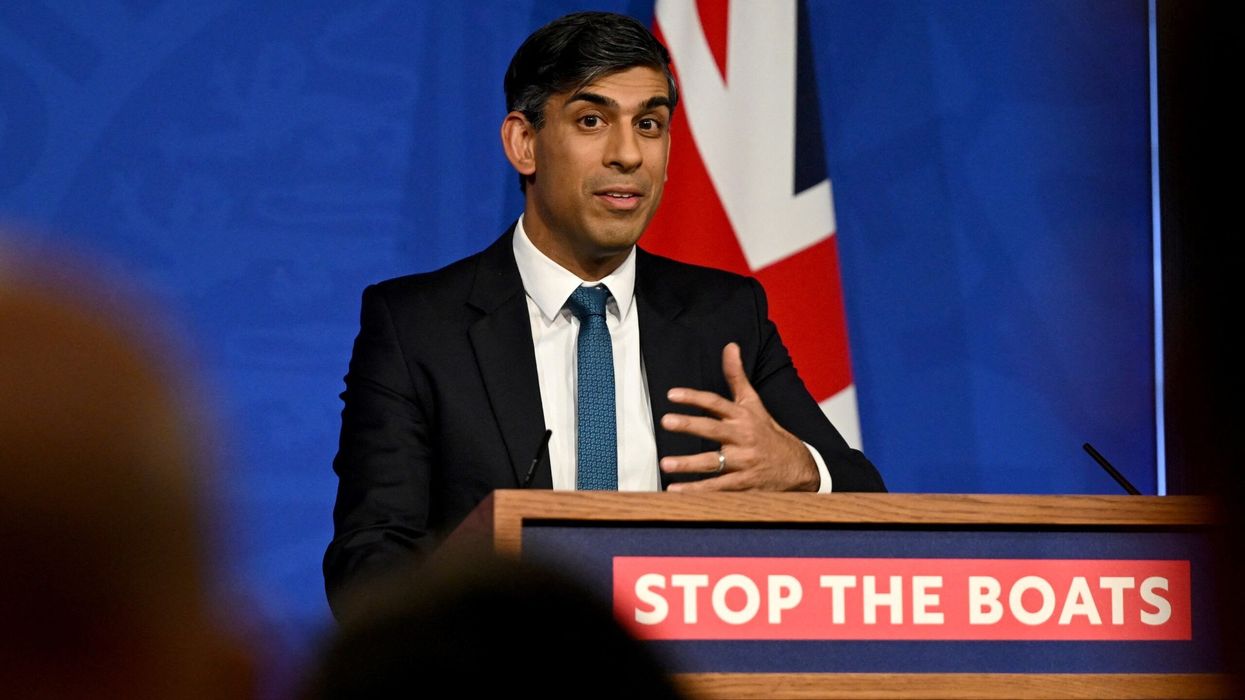

Prime minister Rishi Sunak faces questions Monday over whether his "Eat Out to Help Out" scheme to help the struggling hospitality sector during the pandemic spurred the spread of Covid-19.
Sunak, who was finance minister at the time, is due to give evidence to the public inquiry into the UK government's handling of the crisis.
In a message disclosed earlier to the inquiry, one government scientific adviser, Angela McLean, called Sunak "Dr Death, the Chancellor" over concerns about the scheme.
Sunak's appearance follows Boris Johnson's own grilling by the inquiry last week as his government faces a string of challenges ahead of a general election expected next year.
His evidence will re-focus attention on the economic cost of the UK's repeated Covid lockdowns.
Sunak's government-backed initiative encouraged people to visit restaurants in August 2020 by picking up a chunk of the bill.
The hospitality sector had been badly hit by lockdown policies which forced them to close.
"It was an effective way of ensuring that the hospitality industry was supported through a very difficult period," cabinet minister Michael Gove said on Sunday.
He said it was "entirely within the broad outlines of rules about social mixing that prevailed at the time".
The inquiry has already heard from prominent figures including Johnson's controversial ex-aide Dominic Cummings and Patrick Vallance who was the government's chief scientific adviser during the pandemic.





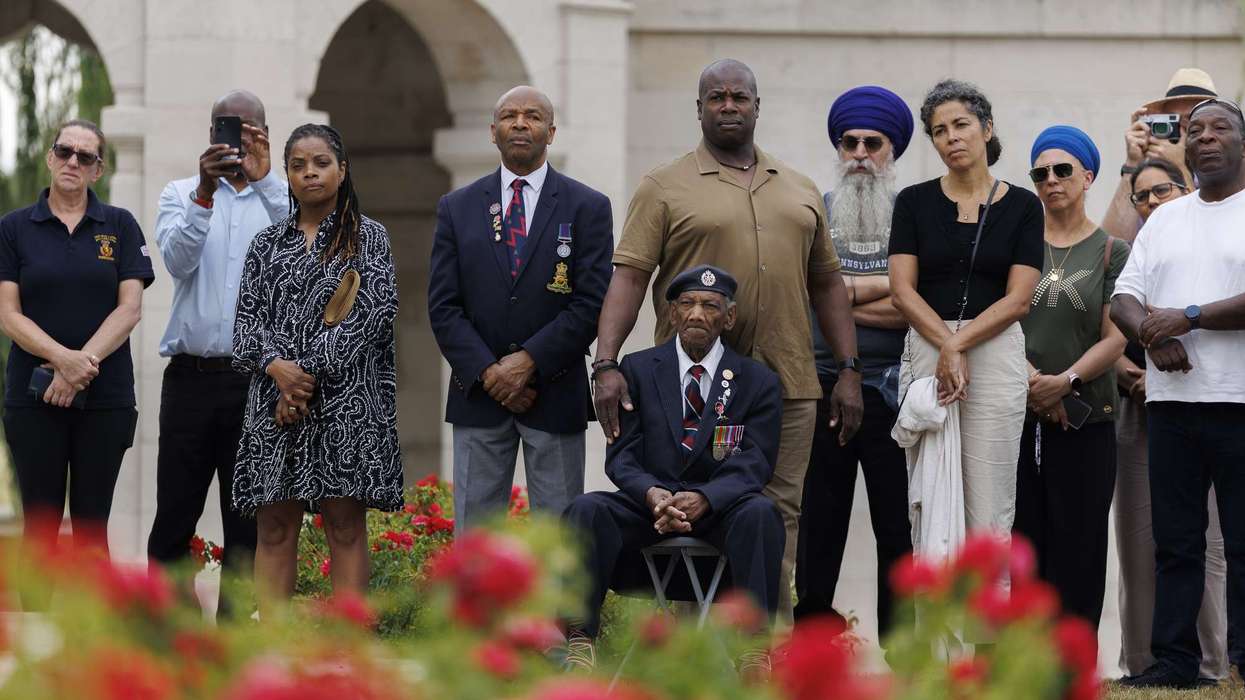
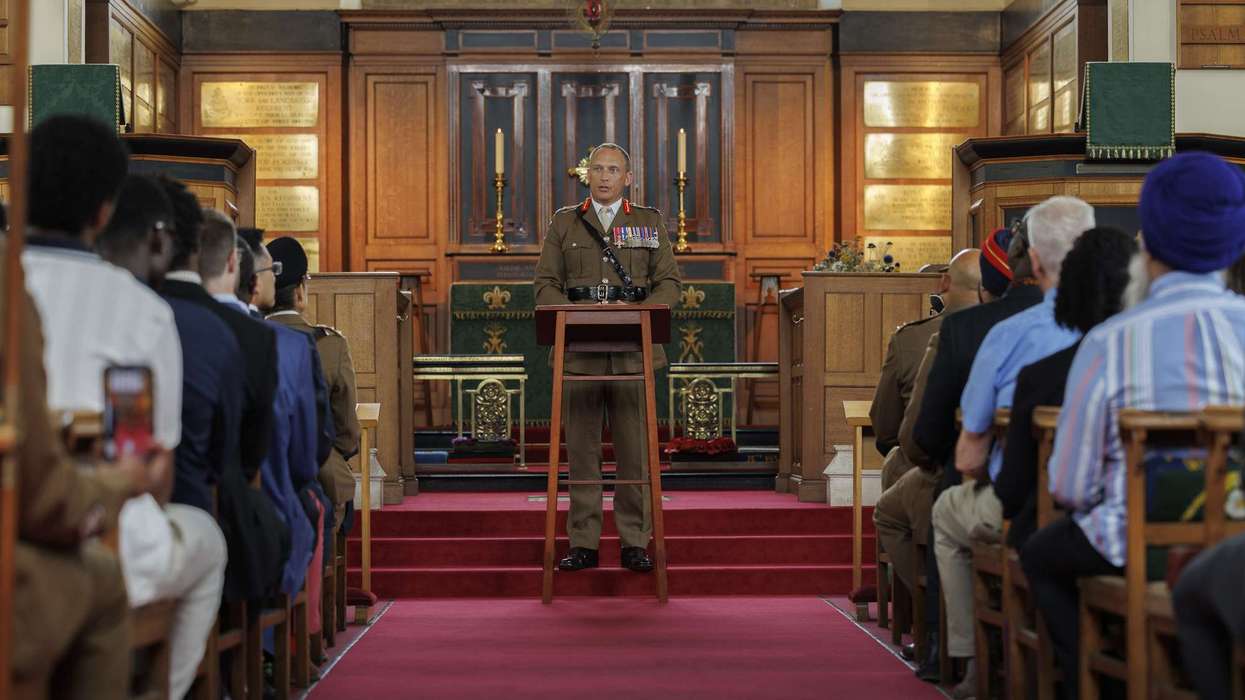 Op Reflect will continue into 2027 with further projects highlighting the role of Commonwealth communitiesEastern Eye
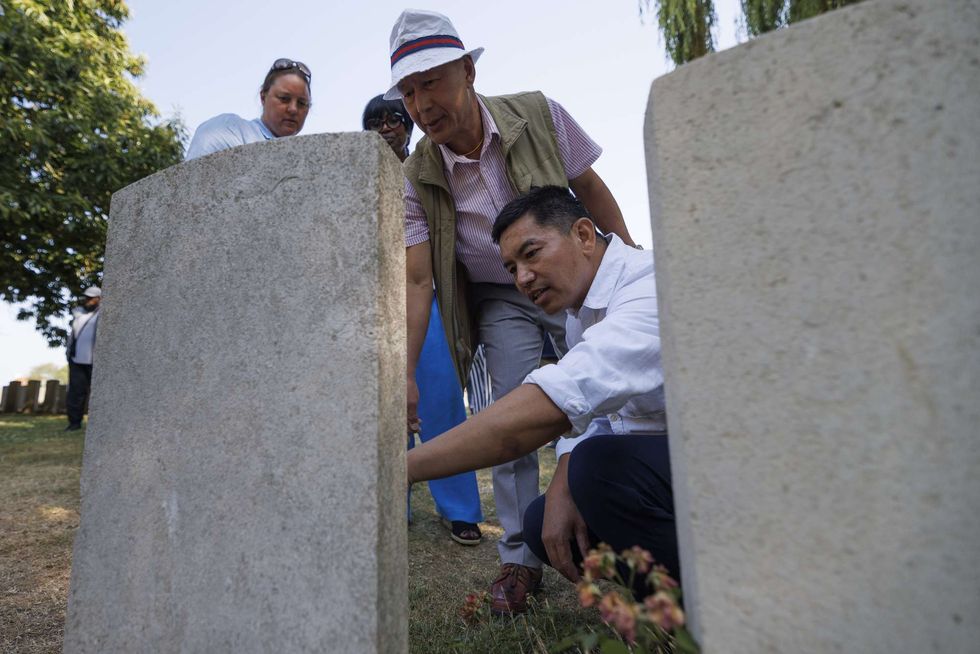 Eastern Eye