
Highlights
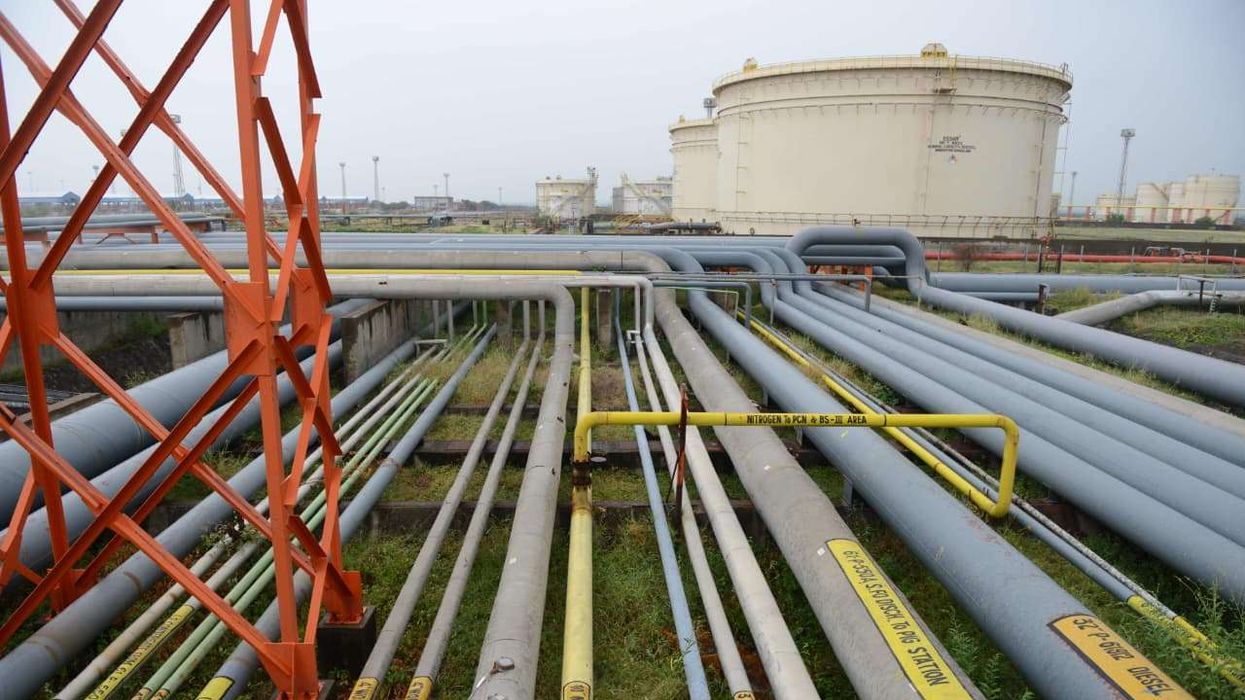
- Reliance Industries has stopped importing Russian crude oil for its export-only refining unit at Jamnagar in Gujarat.
- The European Union has barred the import of fuel made from Russian crude, starting January 2026.
- India's crude oil imports from Russia have surged from 2.5 per cent before the 2022 Ukraine war to around 35.8 per cent in 2024-25.
Reliance said the move aims to comply with an EU ban on fuel imports made from Russian oil through third countries, which takes effect next year. It also aligns with US sanctions on major Russian oil producers Rosneft and Lukoil, set to take effect on Friday.
"This transition has been completed ahead of schedule to ensure full compliance with product-import restrictions coming into force on 21 January 2026," Reliance said in a statement.
The White House has welcomed the decision. "We welcome this shift and look forward to advancing meaningful progress on US-India trade talks," the White House press office said in a statement to the Washington Post.
Managing the transition
Delhi's purchase of Russian oil has been a major point of tension between India and the US. In August, the Trump administration imposed 50 per cent tariffs on India, including a 25 per cent penalty specifically for buying Russian oil and arms, which officials said was funding Moscow's war on Ukraine. India has denied this claim.
The Jamnagar refinery has two separate units dedicated for exports and the domestic market. India's purchases of discounted Russian oil have increased dramatically since the Ukraine war began in 2022. Imports rose from barely 2.5 per cent before the war to around 35.8 per cent in 2024-25.
According to a Carnegie Endowment report, the company reduced orders from sanctioned Russian companies by 13 per cent while increasing monthly imports from Saudi Arabia to 87 per cent and Iraq to 31 per cent in October.
Indian state-controlled refineries are also skipping Russian crude imports for December contracts. Global pressure appears to be gradually taking effect on India after months of resistance from Delhi to reduce oil purchases from Moscow.