
Highlights
- Ranveer Singh has reportedly become India's highest-paid actor for a single project.
- The actor is said to have earned around £28 million from the Dhurandhar franchise.
- He surpassed previous records held by Rajinikanth, Shah Rukh Khan, Allu Arjun and Prabhas.
- Ranveer reportedly opted for a profit-sharing model instead of a fixed fee.
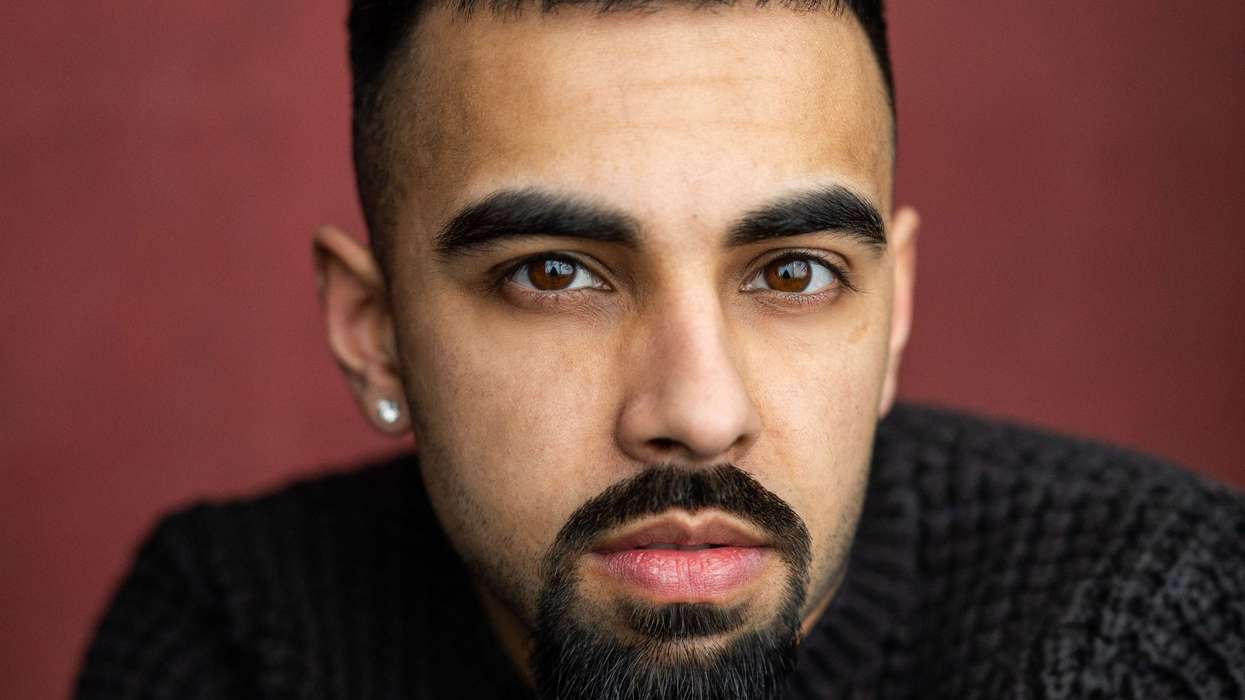
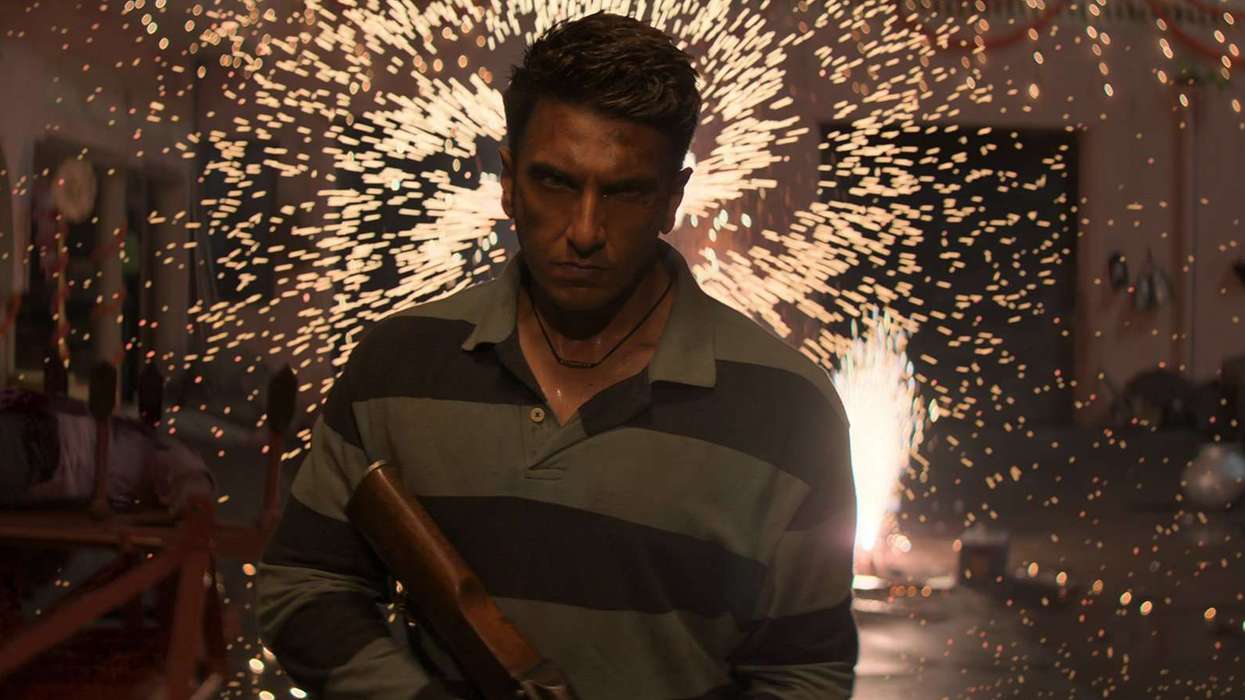
A Bollywood star has reportedly reclaimed the title of India's highest-paid actor after earning an estimated £28 million from the blockbuster Dhurandhar franchise.
The reported payday follows the extraordinary success of the two-film saga, which has become one of the highest-grossing Indian film franchises of all time and transformed Ranveer Singh's profit-sharing gamble into a record-breaking windfall.
Profit-sharing gamble pays off
Originally conceived as a single film before being released as a two-part franchise, Dhurandhar reportedly grossed around £275 million worldwide, including more than £163 million at the Indian box office.
Rather than taking his usual upfront fee, Ranveer is reported to have agreed to a profit-sharing arrangement. Trade reports also suggest he invested additional funds when the production exceeded its budget, increasing his stake in the project.
After accounting for theatrical revenues, distribution earnings and income from digital, satellite and music rights, trade estimates place the actor's earnings at approximately £28 million.
Surpassing India's biggest stars
The reported figure places Ranveer ahead of some of Indian cinema's most bankable names.
Rajinikanth previously held the record after reportedly earning more than £22 million from Jailer in 2024. Allu Arjun and Prabhas are also believed to have earned in excess of £17 million from Pushpa 2 and Kalki 2898 AD respectively.
In Bollywood, Shah Rukh Khan's reported earnings from Pathaan and JawanJawan had set the benchmark in recent years, with each film said to have generated payouts of around £17 million.
A new benchmark for Indian cinema
Actor salaries in India have risen dramatically over the past three decades. In the 1990s, stars such as Chiranjeevi, Kamal Haasan and Sridevi made headlines by becoming among the first actors to command seven-figure sums for a film.
As budgets and box-office revenues expanded, remuneration grew alongside them, with regional superstars dominating the highest-paid rankings in recent years.
If trade estimates are accurate, Ranveer's reported £28 million earnings from Dhurandhar now represent the largest payday received by an Indian actor from a single production, setting a new benchmark for the industry.