
Highlights
- Rimple and Harpreet Narula have responded to criticism over Sai Pallavi's Sita and Lara Dutta's Kaikeyi in Ramayana
- The designers say the costumes are artistic interpretations rather than attempts at historical reconstruction
- They have urged audiences to judge the costumes after watching the completed film
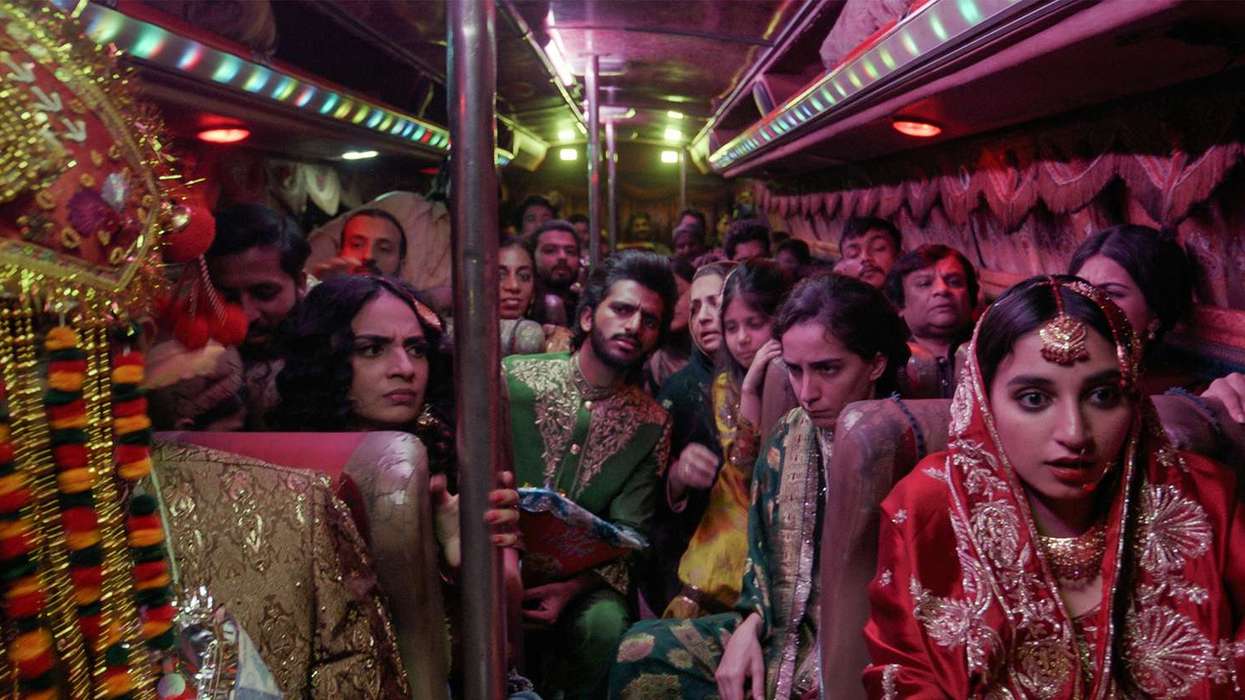
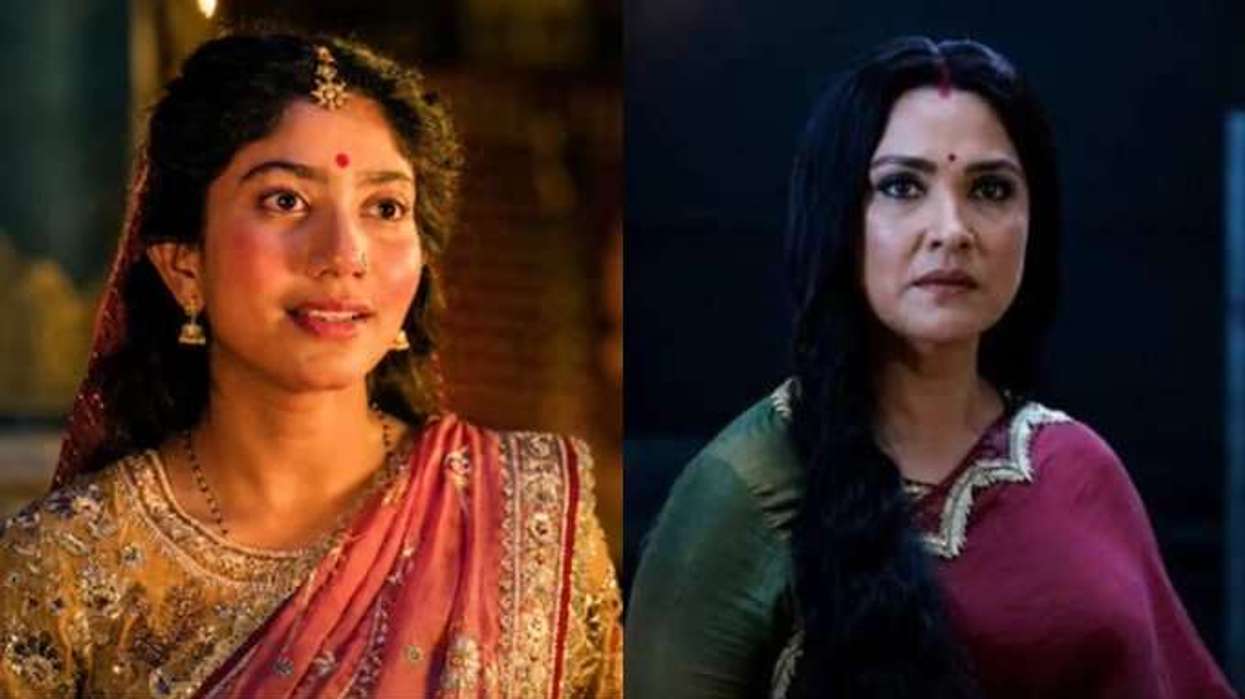
The costume debate surrounding Nitesh Tiwari's Ramayana has continued after the film's first trailer, with designers Rimple and Harpreet Narula responding to criticism over the looks of Sai Pallavi's Sita and Lara Dutta's Kaikeyi.
The duo said their work was never intended to be a historically exact recreation of the Treta Yuga, arguing that no surviving garments exist from the period. Instead, they based the costumes on artistic and cultural references that have shaped popular depictions of the epic over generations.
Why have Sita and Kaikeyi's costumes been criticised?
Much of the online discussion has centred on Sai Pallavi''s portrayal of Sita, with some viewers arguing that her blouse appeared too contemporary for the setting.
Lara Dutta's Kaikeyi also became the subject of memes and comparisons to television serial costumes, prompting questions over the film's overall visual approach.
Speaking to The Times of India, Rimple said the team anticipated strong reactions from the outset because Ramayana holds deep cultural significance for many audiences. She added that the designers chose to remain focused on their creative vision rather than respond to every opinion on social media.
Why did the designers choose these looks?
Addressing the criticism of Sita's costume, Rimple said the design was guided by artistic interpretation rather than archaeological accuracy.
She explained that no clothing from the Treta Yuga survives, making it impossible to recreate garments with historical certainty. Instead, she drew inspiration from temple sculptures, calendar art and paintings by Raja Ravi Varma, describing the costume as reflecting the image of Sita that has existed in India's cultural memory for generations.
Harpreet said Kaikeyi's costume was designed around the character's emotional journey rather than a fixed historical period. He explained that green symbolised motherhood, while deeper maroon tones reflected the queen's inner conflict between her love for her son and her relationship with Ram.
The designers also urged viewers to wait until they had seen the complete film, arguing that the intention behind the costumes cannot be fully understood through still images or brief trailer footage.
Not the first controversy for Ramayana
The latest discussion follows earlier criticism surrounding Ramayana after its trailer launch.
Previously, the Shri Ramlila Mahasangh sought an advance screening of the film, citing concerns similar to those raised during the release of Adipurush in 2023. The organisation warned of possible protests if its concerns over costume design and depiction were not addressed.
With Ramayana: Part One scheduled for release at Diwali 2026 and Ramayana: Part Two following in Diwali 2027, debate over the film's visual choices is likely to continue as more promotional material is unveiled.