
Highlights
- More than 4,500 jewellery pieces were created for the first part of Ramayana.
- Tribe Amrapali spent over 18 months researching and designing jewellery for the epic.
- Ayodhya, Mithila and Lanka each have distinct styles inspired by their identities and characters.
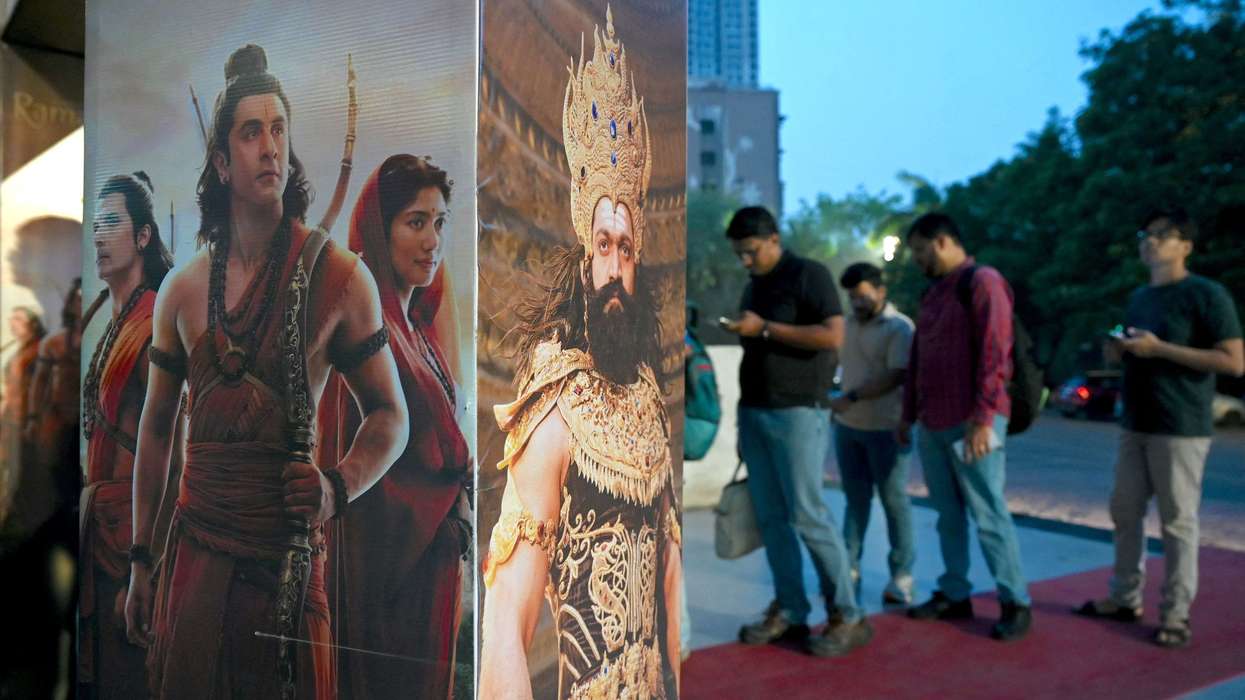
The world of Ramayana is being shaped not only by its grand sets and costumes but also by the intricate jewellery worn by its characters. For Nitesh Tiwari’s two-part cinematic adaptation, jewellery brand Tribe Amrapali has created more than 4,500 individual pieces for the first instalment, drawing on traditional Indian craftsmanship, mythology and historical ornamentation.
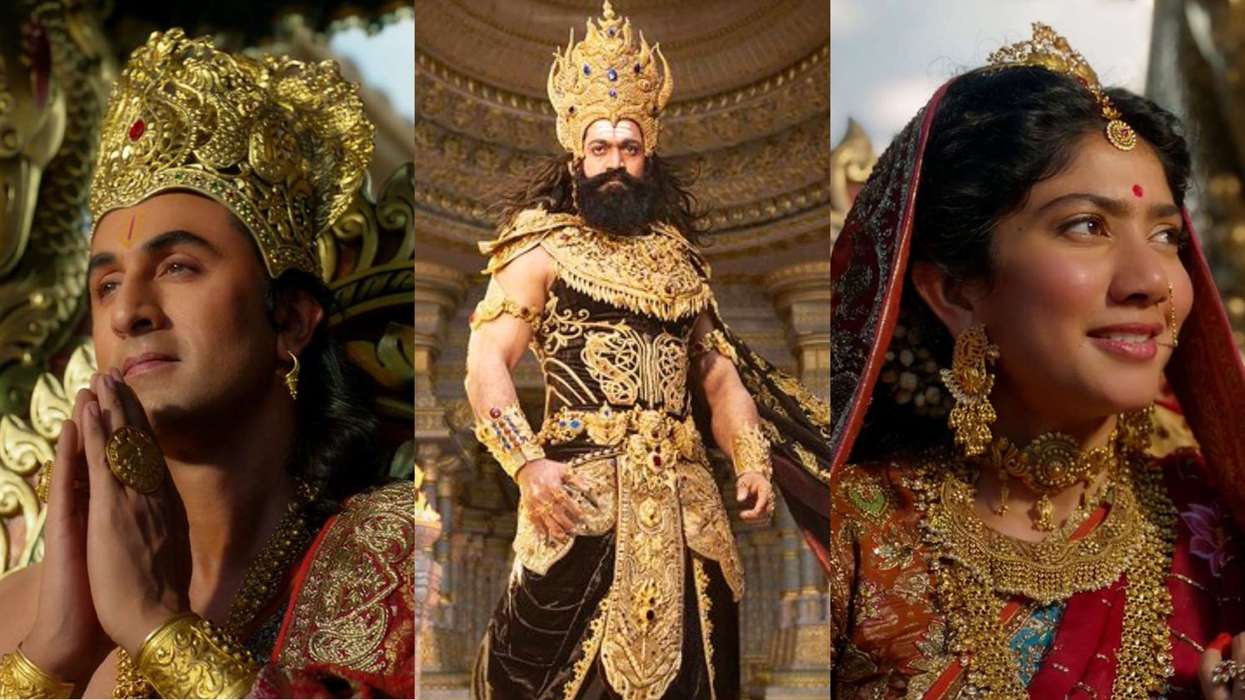
The project took more than 18 months of research and design, with the team developing distinct jewellery styles for Ayodhya, Mithila and Lanka. The designs help establish the visual identities of the kingdoms and reflect the personalities and values of the characters played by Ranbir Kapoor, Sai Pallavi and Yash.
The research behind the jewellery
Tribe Amrapali creative head Tarang Arora and his team studied mythology, ancient Indian jewellery, temple art and sculptures to develop designs suited to the film’s world. The aim was to draw from traditional forms while giving each character and kingdom a recognisable visual identity.
The jewellery incorporates techniques such as embossing, engraving, filigree-inspired openwork and granulation-inspired beadwork. These methods bring texture and detail to the pieces while reflecting the craftsmanship of traditional Indian jewellery.
Three kingdoms, three distinct styles
Ayodhya’s jewellery is built around symmetry and refined detailing. Designs associated with Ram draw on the Sun motif, reflecting his Suryavanshi lineage, alongside elements such as the Dharma Chakra and lotus. Together, these details connect the jewellery to the kingdom’s visual identity and its themes of duty and righteousness.
Mithila, associated with Sita, takes a softer approach. Floral motifs and graceful forms shape its jewellery, reflecting a different aesthetic from Ayodhya’s more structured designs.
Lanka, meanwhile, features bolder, more sculptural and asymmetrical forms, with darker stones used to establish a striking visual identity for Ravana and his kingdom. The designs for Mandodari and Vibhishana introduce more symmetry and warmer stones, giving their jewellery a distinct character within Lanka’s broader aesthetic.
Craftsmanship on an epic scale
The scale of the work reflects the production’s attention to visual detail. With thousands of pieces created for the first film alone, the jewellery forms an important part of how the characters and their worlds are presented on screen.
Ramayana stars Ranbir Kapoor as Ram, Sai Pallavi as Sita and Yash as Ravana, with Sunny Deol playing Hanuman and Ravi Dubey portraying Lakshman. The two-part film is produced by Prime Focus Studios, in association with DNEG and Yash’s Monster Mind Creations.
The first part of Ramayana is scheduled for a worldwide release on November 5, 2026, with the second part planned for Diwali 2027. The film is set to release in five Indian languages and in IMAX.