
- Usdaw says a decision on Poundland’s future could come as early as Tuesday.
- Several potential buyers are interested, but the union fears the business could be broken up.
- Poundland recently reported like-for-like sales growth of 3.3 per cent in the fourth quarter.
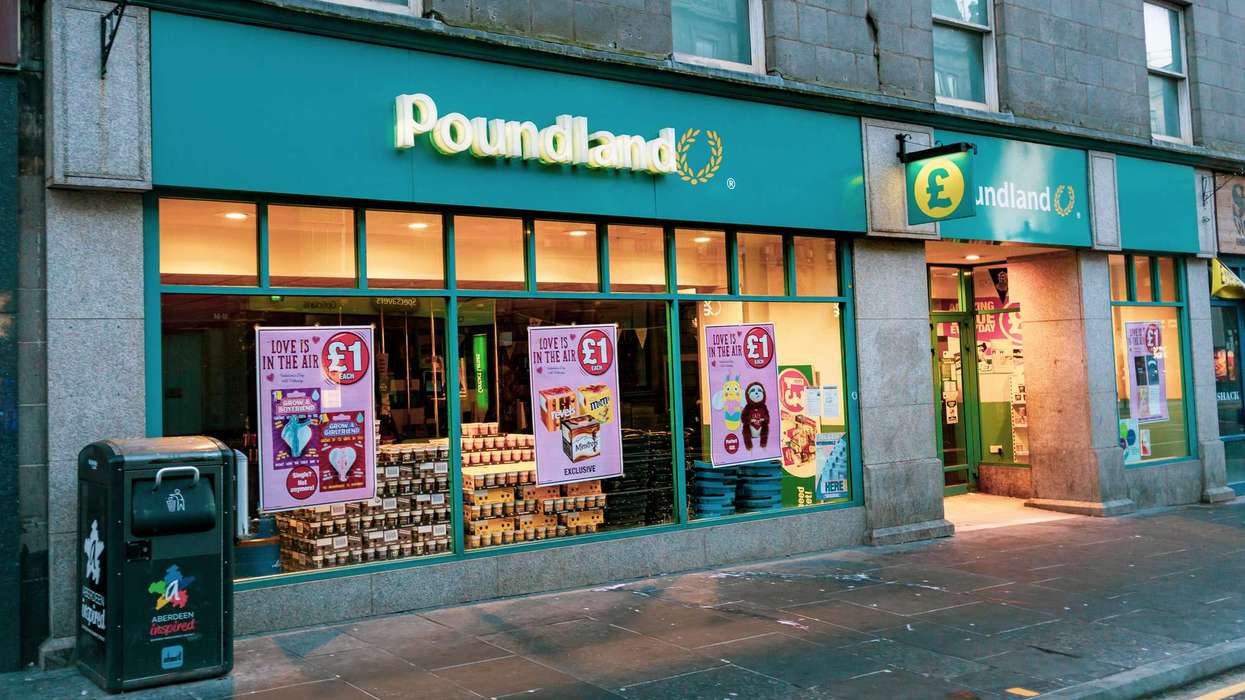
Poundland could enter administration within days, putting around 12,000 jobs at risk, as the discount retailer’s owner weighs options for the business and potential rescue deals remain uncertain.
Shopworkers’ union Usdaw said it had been told by sources within the company that Gordon Brothers, which bought Poundland from Pepco for £1 last year, could make a decision as early as Tuesday.
Bally Auluk, Usdaw’s national officer, said there were “deep concerns that the business could go into administration, which would be a disaster for our members”. He also described Gordon Brothers’ refusal to hold talks with the union as “an absolute disgrace”.
Administration has not been confirmed, and a sale remains a possibility. However, the uncertainty has raised concerns about the retailer’s future, its workforce and the stores that serve communities across the UK.
Who could buy Poundland?
Gordon Brothers is running a sale process and has received interest from several potential buyers, according to The Telegraph.
One proposal involves Poundland managing director Barry Williams and Andy Bond, the former chief executive of Pepco and Asda, working with Irish property company Martin Property Group. The group has proposed buying the entire business, although a formal management buyout has not been launched, the newspaper reported.
Poundland has confirmed that its leadership team has been working with Martin Property Group, describing it as its “preferred partner”. A company spokesperson said the team would “work with whoever can deliver the best result for the business, colleagues and suppliers and build on the successful recovery that’s already taking shape”.
Other interested parties reportedly include turnaround firm Modella Capital and Irish family business Henderson Property Group. Discount supermarkets Aldi and Lidl are also understood to be interested in some of Poundland’s UK stores.
Usdaw fears Gordon Brothers could opt to sell the retailer in pieces rather than secure a buyer for the whole business. The union has also said it was told that offers from the management team were being rejected. A Poundland source disputed that account, telling the BBC that Martin Property Group remained involved in the sale process.
A further complication is a £30 million shareholder loan. According to TheBusinessDesk, Gordon Brothers has told bidders they must repay the loan, which could potentially be used to trigger administration if a sale of the entire company cannot be agreed.
Why is Poundland at risk despite a sales recovery?
The prospect of administration comes despite recent signs that Poundland’s trading performance has improved.
The retailer reported like-for-like sales growth of 3.3 per cent in the fourth quarter, followed by a 9.8 per cent increase in the first week of its new financial year, according to figures reported last week. Usdaw said the improvement made it difficult to understand why the business was still being described as struggling.
However, stronger sales do not necessarily resolve the wider financial and ownership challenges facing a retailer. Poundland has already closed nearly 150 stores as part of a restructuring programme and now operates around 600 outlets across the UK and Ireland, where its stores trade under the Dealz name.
Oliver Jackson, a partner and insolvency specialist at law firm DMH Stallard, said the business would remain vulnerable until a buyer or new investment was secured.
“Unless a buyer can be found then there remains a real possibility that the embattled retailer could go into administration, which would risk far greater store closures and job losses,” he said.
The immediate priority is securing a deal that allows Poundland to continue trading as a whole. If negotiations fail, administration could expose more stores and jobs to uncertainty. For now, the outcome depends on whether Gordon Brothers and the interested parties can agree on a viable path forward.