
By Amit Roy
NAGA MUNCHETTY, who giggled and said, “Always a flag”, when her BBC Breakfast co-presenter, Charlie Stayt, poked fun at the size of the Union flag in Robert Jenrick’s office when they were interviewing the housing and communities secretary, can claim credit for changing government policy.
The Union flag is to be flown all government buildings, not just on special occasions, but every day.
Jenrick declared: “Our nation’s flag is a symbol of liberty, unity and freedom that creates a shared sense of civic pride. People rightly expect to see the Union flag flying high on civic and government buildings up and down the country, as a sign of our local and national identity.”
The guidance was announced by culture secretary Oliver Dowden: “The Union flag unites us as a nation and people rightly expect it to be flown above UK government buildings.”
That’s fair enough, except that if the flags are out all the time, it’s human nature for the public to stop noticing them after a while. It’s like biryani: it won’t seem special if people have it every day.
There’s also the risk that far from encouraging patriotism, the proliferation of flags will make ethnic minorities fear the British National Party has taken over.
It is also by no means certain that the Scots and the Welsh will welcome the diktat from London. On trips to Scotland, the Saltire has made it feel like I am in another country.
Welsh first minister Mark Drakeford has expressed his doubts: “It’s part of the UK government’s attempt to roll back devolution in an aggressively unilateral way. I want Wales to be part of a successful United Kingdom. Aggressive unilateral actions of this sort just feed nationalism in different parts of the UK. It’s a counter-productive strategy. Forcing it on people really is counter-productive.”



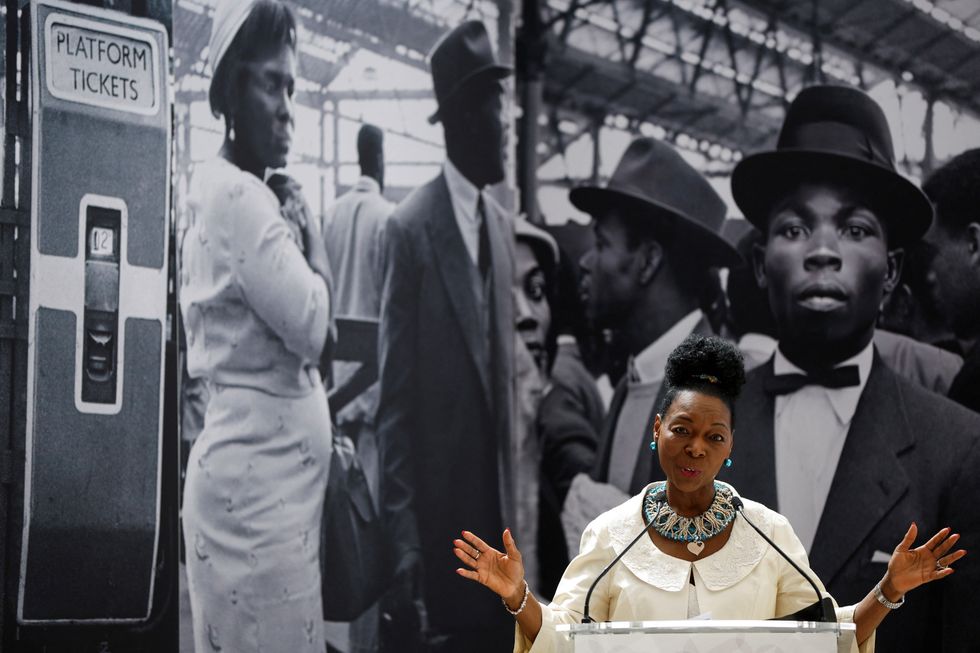 LONDON, ENGLAND - JUNE 22: Baroness Floella Benjamin speaks during the unveiling of the National Windrush Monument at Waterloo Station on June 22, 2022 in London, England. The photograph in the background is by Howard Grey. (Photo by John Sibley - WPA Pool/Getty Images)


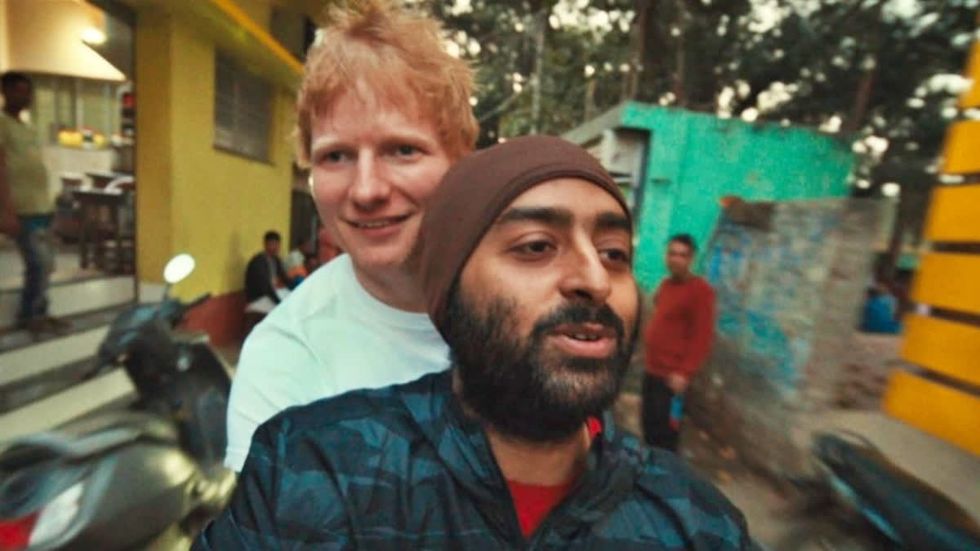 Ed Sheeran and Arijit Singh
 Aziz Ansari’s Hollywood comedy ‘Good Fortune’
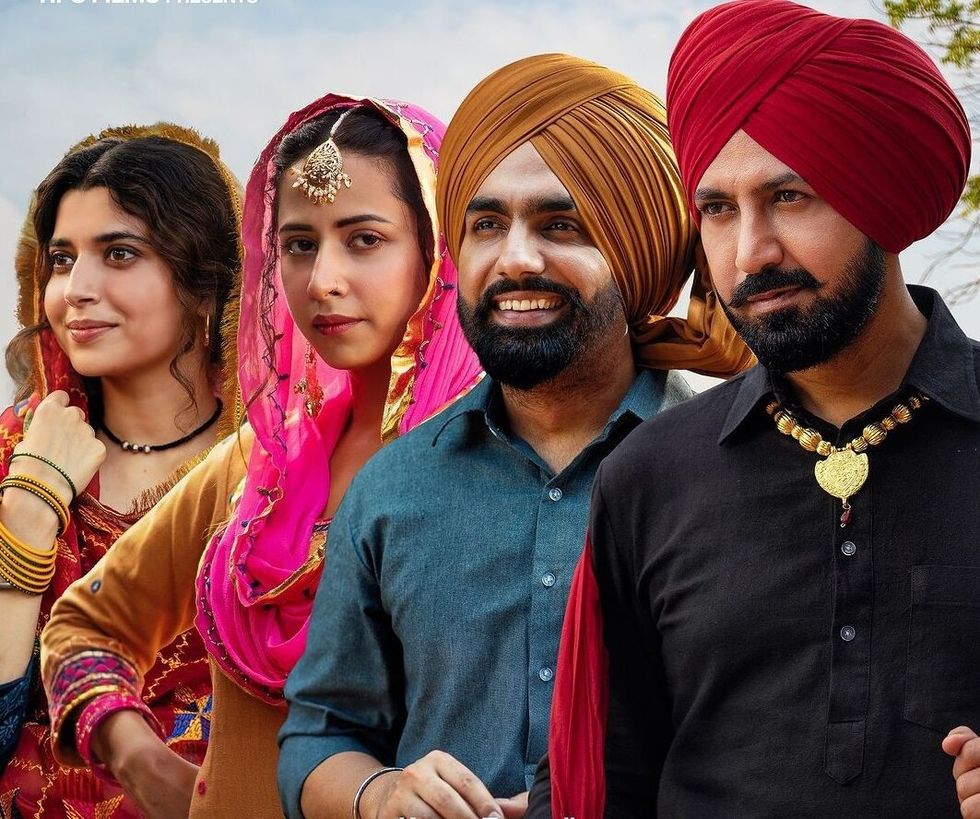 Punjabi cinema’s power-packed star cast returns in ‘Sarbala Ji’
 Mahira Khan
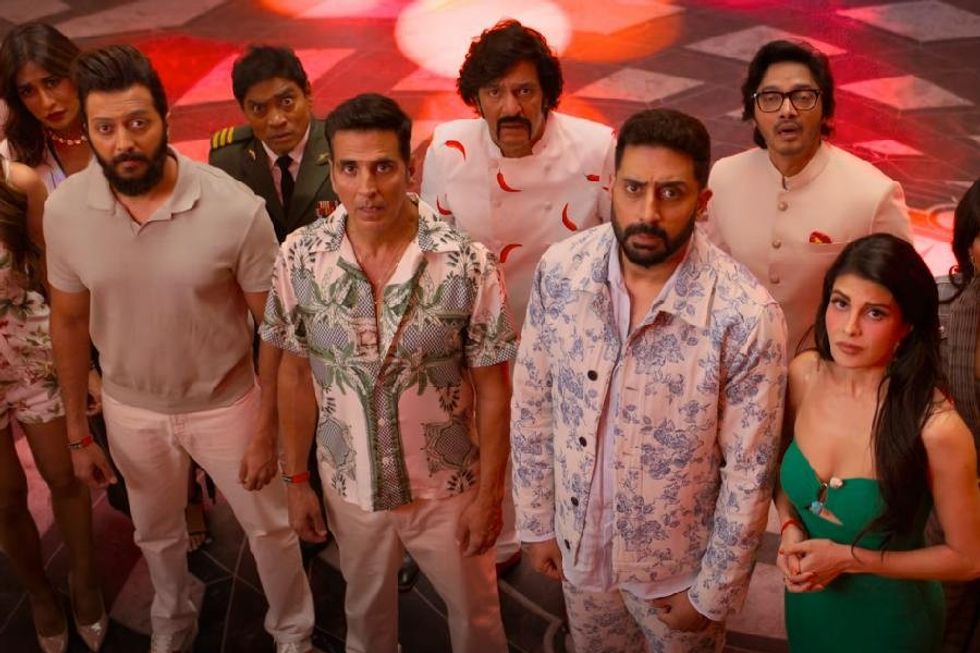 ‘Housefull 5’ proves Bollywood is trolling its own audience
 Brilliant indie film ‘Chidiya’
  John Abraham
 Hina Khan and her long-term partner Rocky Jaiswal
  Shanaya Kapoor's troubled debut
 Sana Yousuf



 Shraddha Jain
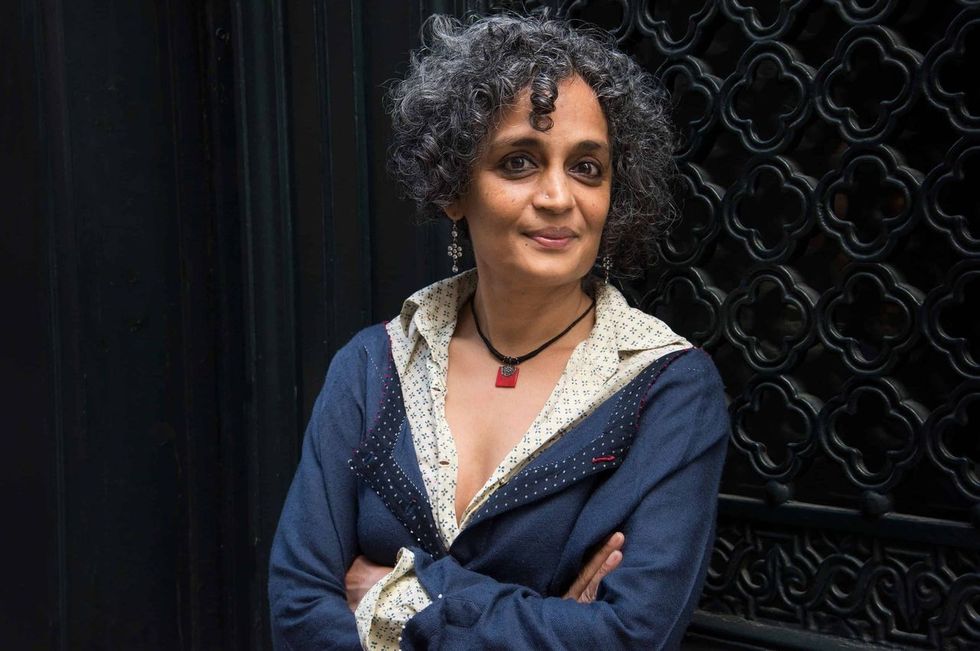 Arundhati Roy
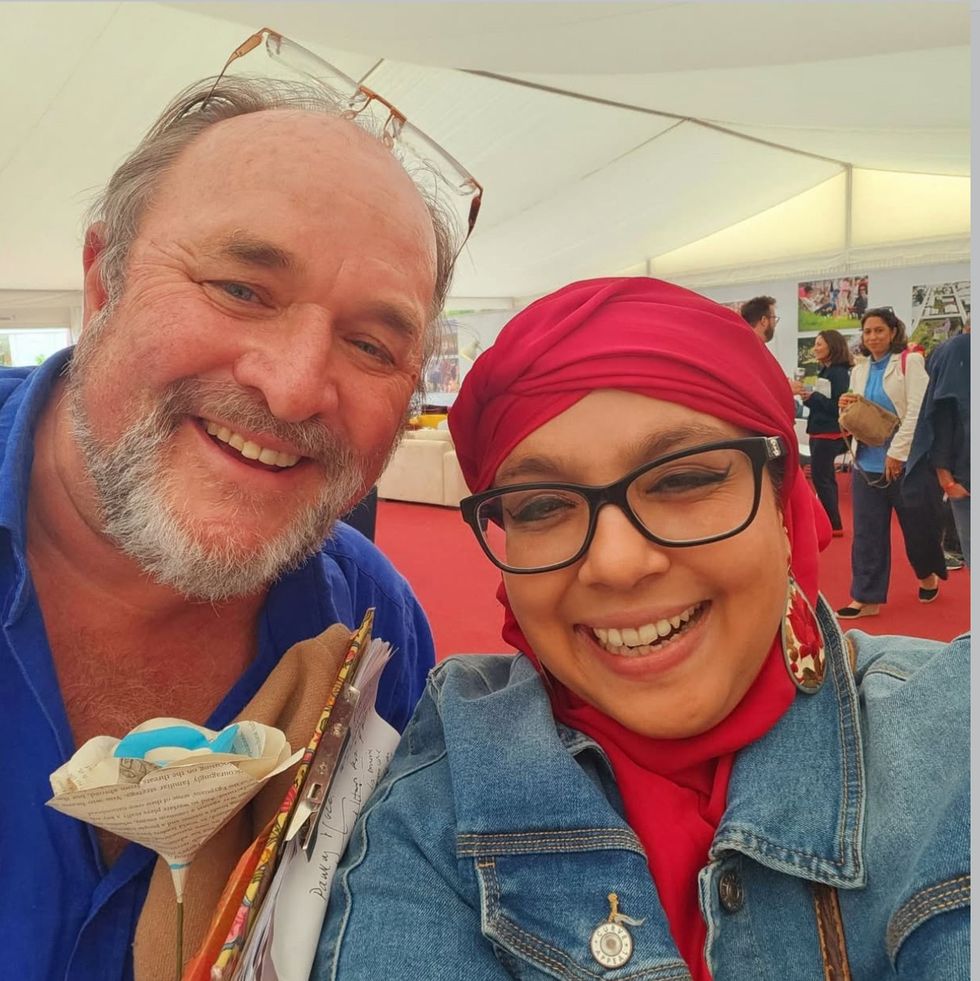 William Dalrymple and Onjali Q Rauf
 Ravie Dubey and Sargun Mehta
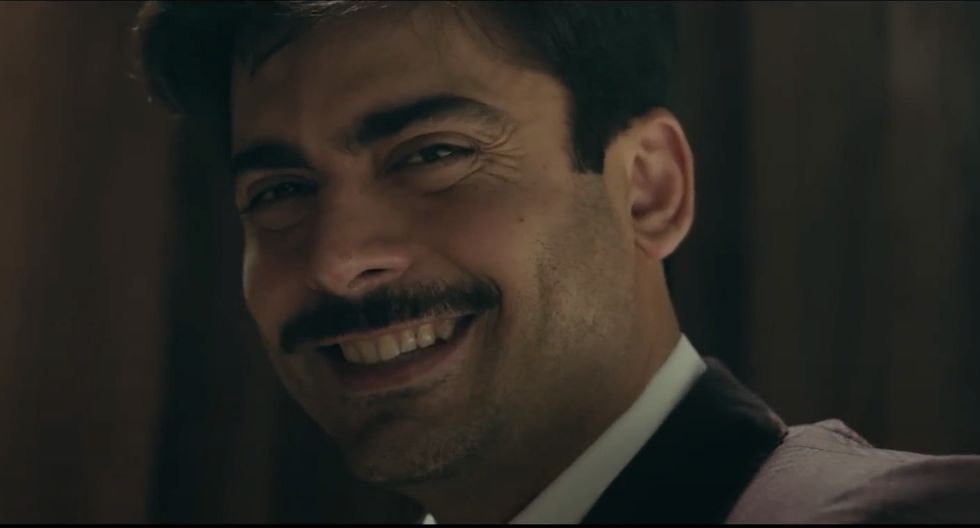 Money Back Guarantee
 Homebound
 Guru Dutt in Chaudhvin Ka Chand
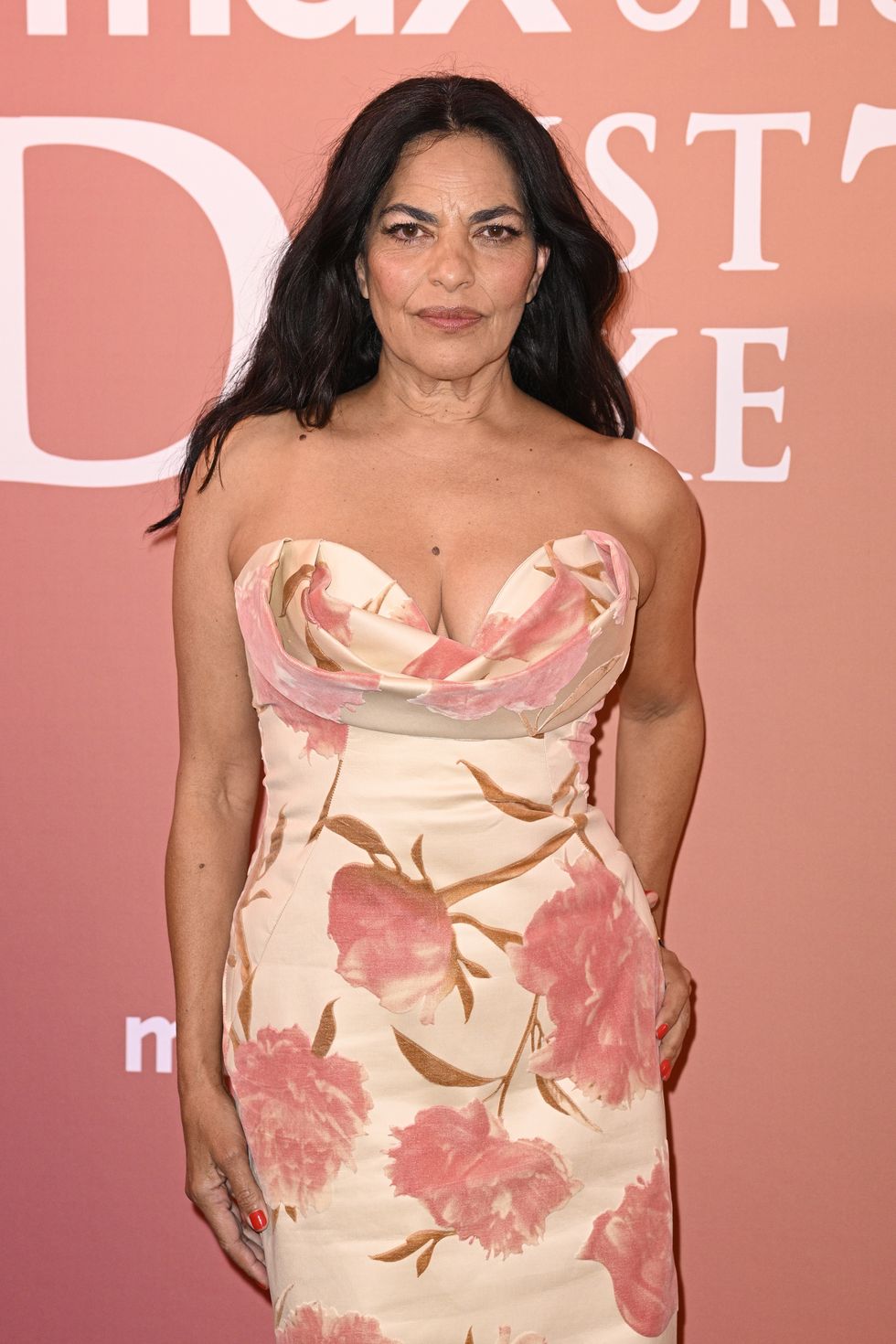 Sarita Choudhury
 Detective Sherdi