
Highlights
- The Pixel 11 Pro Fold starts at around £1,450, while the Galaxy Z Fold 8 costs around £1,451.
- Google has kept a dedicated 5x telephoto camera, while Samsung has removed it from the standard Fold 8.
- Both foldables now promise seven years of software updates.
Google and Samsung have arrived at almost exactly the same price with their latest flagship foldables, with only around £1 separating the Pixel 11 Pro Fold and Galaxy Z Fold 8.
The striking difference is what the two companies have done with the phones themselves. While Google has retained a dedicated zoom camera, Samsung has dropped its telephoto lens from the standard Fold 8. The companies have also moved closer to each other's approach to foldable design.
Google keeps the camera Samsung dropped
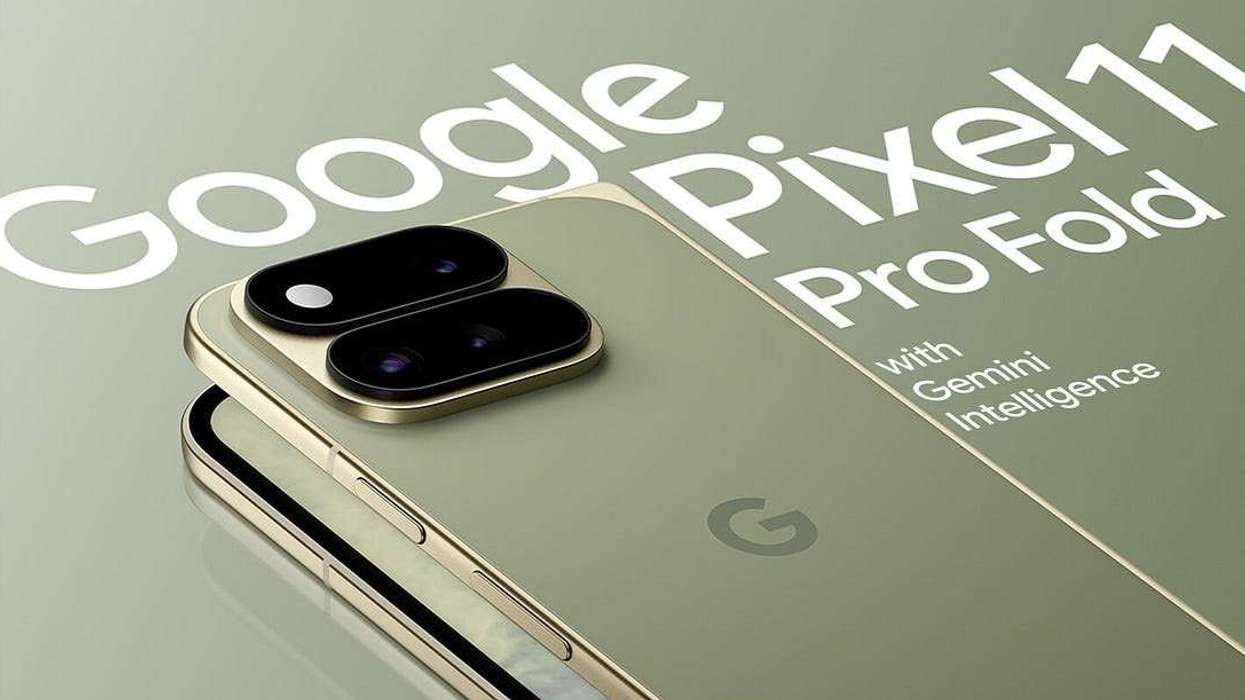
The Pixel 11 Pro Fold has three rear cameras: a 48MP main sensor, a 10.5MP ultrawide and a 10.8MP telephoto with 5x optical zoom. Google also claims a 56 per cent improvement in low-light sensitivity on the main sensor compared with last year's model.
Samsung's standard Galaxy Z Fold 8 has two rear cameras, a 50MP main and a 50MP ultrawide, with no dedicated telephoto lens.
That means buyers wanting dedicated optical zoom on Samsung's latest foldable have to look at the more expensive Galaxy Z Fold 8 Ultra.
At almost the same price, Google's standard foldable therefore offers a camera feature Samsung has removed from its equivalent model.
Samsung and Google have swapped foldable philosophies
The more unusual difference is in the shape of the phones.
Google's first foldable adopted a wide, book-style design, while Samsung's earlier Galaxy Z Fold models were narrower and taller. Google gradually moved towards a slimmer shape more closely associated with Samsung's approach.
The Galaxy Z Fold 8 now moves in the other direction, introducing Samsung's first wide-screen foldable.
The two companies have therefore spent several generations moving towards each other's original design ideas, with the latest models bringing those approaches closer than ever.
Where the two phones are closely matched
Both phones offer 256GB, 512GB and 1TB storage options. The Pixel 11 Pro Fold has 16GB of RAM, while the Galaxy Z Fold 8 comes with either 12GB or 16GB.
Google's foldable has an 8-inch inner display rated at up to 3,600 nits, compared with Samsung's 7.6-inch screen and 3,000-nit peak brightness. The Pixel also has a larger 6.5-inch cover display, while Samsung's measures 5.5 inches.
Battery capacity is almost identical, at approximately 4,806mAh for the Pixel and 4,800mAh for the Samsung.
Software support is also now level. Both companies promise seven years of OS updates, security patches and feature drops, closing an advantage Samsung previously held over Google.
Which foldable makes more sense?
With only around £1 separating them, neither phone has an obvious overall winner.
Samsung's case centres on its wider inner display, while Google's strengths include the dedicated 5x telephoto camera and brighter screens. The Pixel also uses Google's Tensor G6, while Samsung's phone runs on the Snapdragon 8 Elite Gen 5 for Galaxy.
At this price, the decision comes down less to which phone is simply better and more to which compromise suits the buyer: Samsung's wider foldable with two rear cameras, or Google's three-camera setup with dedicated optical zoom.