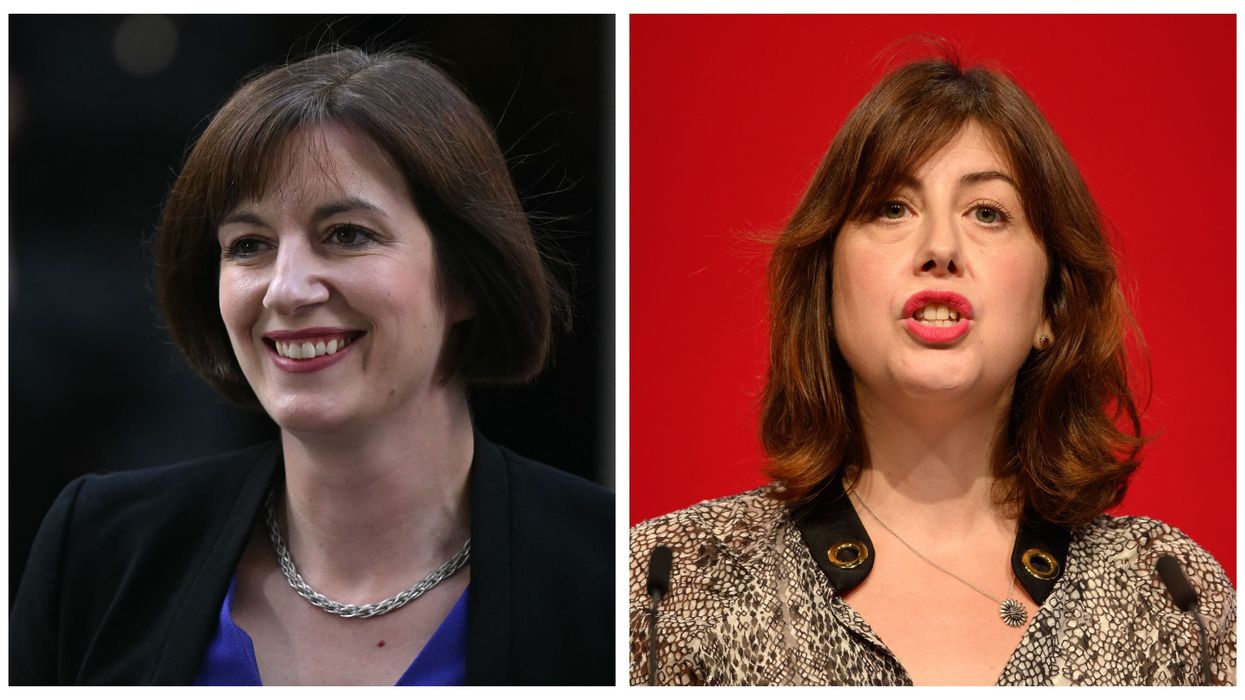

IT WILL be a two-way contest between education secretary Bridget Phillipson and former Commons leader Lucy Powell for the post of Labour’s deputy leader after Emily Thornberry and Paula Barker withdrew from the race on Thursday (11).
Thornberry, who chairs the Commons foreign affairs committee, had secured 13 nominations from Labour MPs while Barker, the Liverpool Wavertree MP, had 14, well short of the 80 needed to progress.
Their withdrawals follow that of housing minister Alison McGovern, who pulled out on Wednesday (10) and backed Phillipson. Bell Ribeiro-Addy, MP for Clapham and Brixton Hill, remains in the running but with 15 nominations is unlikely to make the threshold by the 5pm deadline.
Phillipson has already secured 116 nominations, well above the requirement, while Powell has 77 and is expected to cross the line with late support.
The contest was triggered by the resignation of Angela Rayner, who admitted underpaying stamp duty on a flat and stepped down as deputy leader and deputy prime minister last week.
Her departure has left a gap in Labour’s leadership at a time when prime minister Sir Keir Starmer is managing his first year in government.
Thornberry, announcing her withdrawal on social media, said she was “deeply grateful” for the backing she received and described it as “a privilege to take part in this race with such brilliant women”. Barker said the next deputy leader must be willing to challenge the government when necessary and later endorsed Powell as someone who could be “a constructive friend to the government”.
Phillipson, a long-standing MP for Houghton and Sunderland South, has presented herself as a candidate with experience in Cabinet and the ability to take on populist threats, while Powell, who was removed as leader of the Commons during last week’s reshuffle, has argued she can devote herself fully to the deputy leadership role without ministerial duties.
Supporters of Powell say she offers a voice more independent of the leadership, while Phillipson’s backers highlight her loyalty and strong performance as education secretary.
The next stage of the contest will see candidates who meet the MP threshold secure backing from either five per cent of local constituency parties or three affiliated organisations, including at least two trade unions, in order to make the final ballot.
Voting among Labour members and affiliated supporters opens on October 8 and closes on October 23, with the winner to be announced on October 25.
The result will not affect the role of deputy prime minister, which has already been filled by David Lammy, but it will decide who takes the deputy leadership of the Labour party at a time of internal debate about direction and priorities.
The race, widely expected to run through Labour’s annual conference in Liverpool later this month, is seen as a test of party unity and the balance between loyalty to the leadership and space for dissent.
Senior figures have said they want the next deputy leader to be a woman and from outside London to address perceptions of a male-dominated and London-centric leadership.
Both Phillipson and Powell fit that profile, raising expectations that the final outcome will be decided not on geography but on whether members prefer a loyal cabinet figure or an independent backbencher with more freedom to speak out.