

A petition signed by more than 260,000 people has called for including more black history and cultural diversity in school curriculum.
The poll shows support for teaching Britain’s history of race and empire in today’s classrooms.
Two-thirds of the public (63 per cent) supported the proposal to "ensure that the history of race and Empire, including its controversies and complexity are taught in British schools," with just 8 per cent opposed, according to research for the identity thinktank British Future.
A further six in ten (61 per cent) would support proposals to "promote a shared knowledge of Britain for children as part of their school education - including all ethnicities and faiths, and all nations and regions of the UK," with just 8 per cent opposed.
The recent report of the Commission on Race and Ethnic Disparities (CRED) recommends that the Department for Education should "work with an appointed panel of independent experts to produce a well-sequenced set of teaching resources to tell the multiple, nuanced stories that have shaped the country we live in today. The resources should be embedded within subjects in the statutory curriculum.”
An expert panel discussed the importance of a more inclusive curriculum and how that could help to further develop a shared sense of identity across people of all ages and ethnic backgrounds in modern Britain.
The panel will also consider how to prevent efforts to build a more inclusive curriculum from getting caught up in ongoing ‘culture war’ clashes over history and identity – as well as more practical considerations about making sustainable changes to the school curriculum.
Sunder Katwala, director of thinktank British Future said: “Understanding Britain’s past is the key to understanding who we are today. It also holds the key to shaping a shared and inclusive identity for the future.
“Can we teach our diverse history without getting drawn into a culture war? Yes, if we don’t copy what’s happening across the Atlantic. We need a home-grown approach that tells the British story of decolonisation and Empire in a way that feels relevant to children of all backgrounds today.
“Britain’s role in defeating the fascism of the Nazis in the Second World War is one chapter in this complex story of Empire, with 2.5 million soldiers from pre-partition India forming the world’s biggest-ever volunteer army, along with forces from Africa and the Caribbean.
“It is these stories that helped create the Britain we are today, and all children growing up here should know this history.”
The event 'Teaching Modern Britain: How can the curriculum include us all?' happened on June 28.





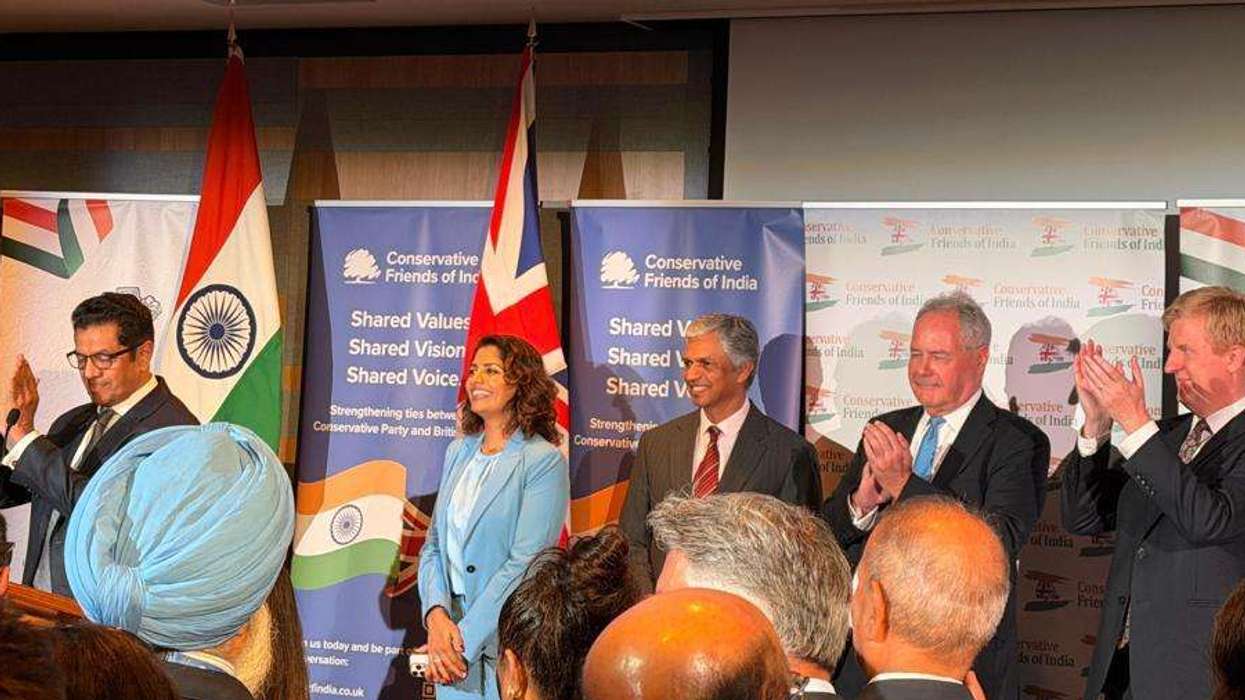
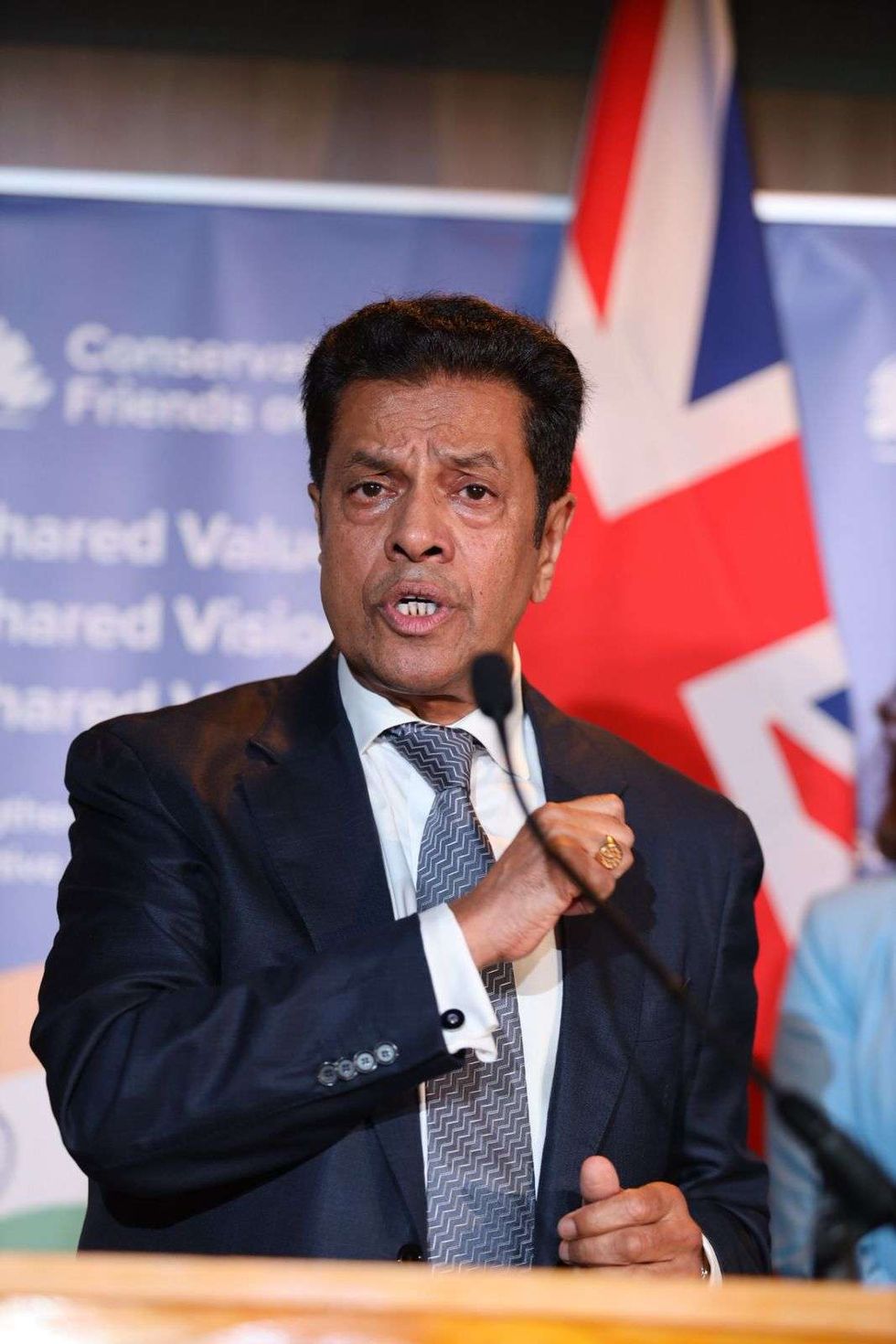 CFIndia co-chair Dr Koolesh Shah CFIndia
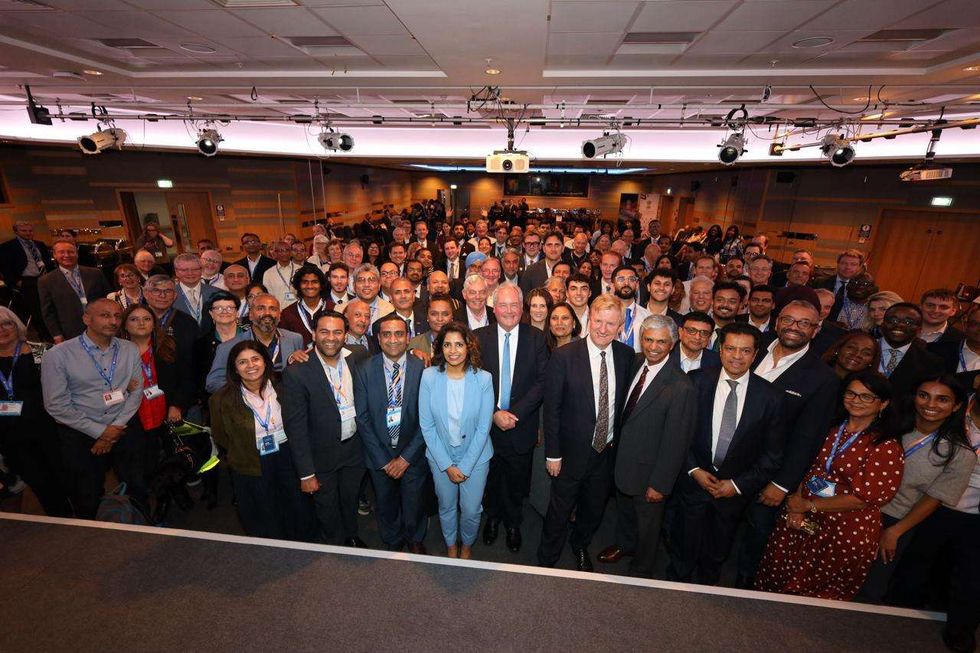 Nearly 500 attended the Conservative Friends of India event.CFIndia
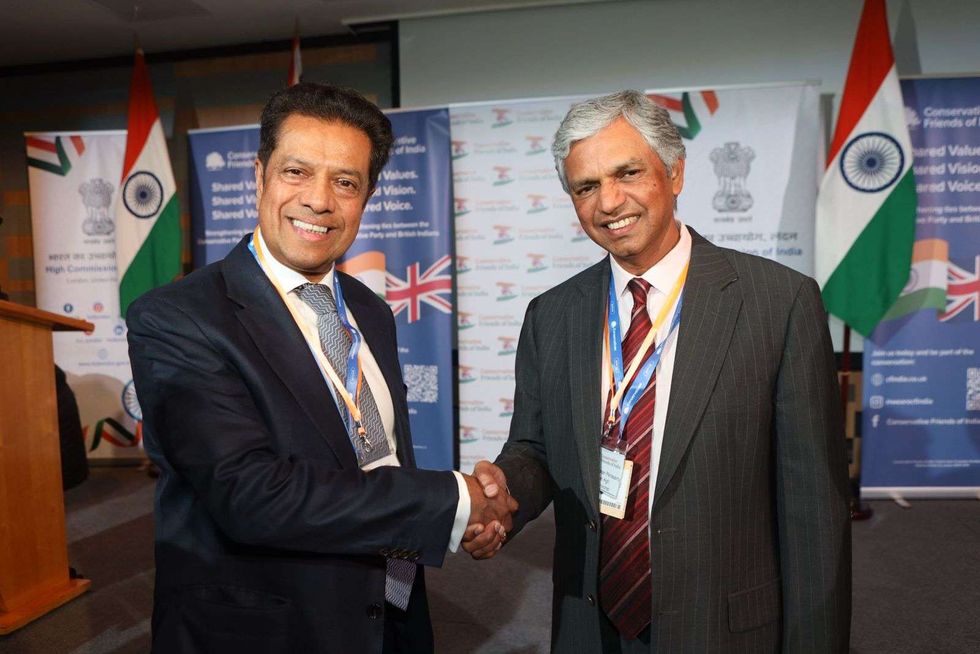 CFIndia co-chair Dr Koolesh Shah with Indian High Commissioner to the UK Kumaran PeriasamyCFIndia