
Highlights:
- India could become a global healthcare exemplar, according to Dr Penny Dash.
- Technology is expanding access while helping reduce the cost of care.
- Ayushman Bharat Digital Mission is building a nationwide digital health ecosystem.
- eSanjeevani has enabled hundreds of millions of teleconsultations across India.
- Dash says the NHS could learn from India’s ability to scale innovation quickly.
Britain has spent years asking how to make the NHS more productive. Now, one of its senior figures is pointing towards India for some of the answers.
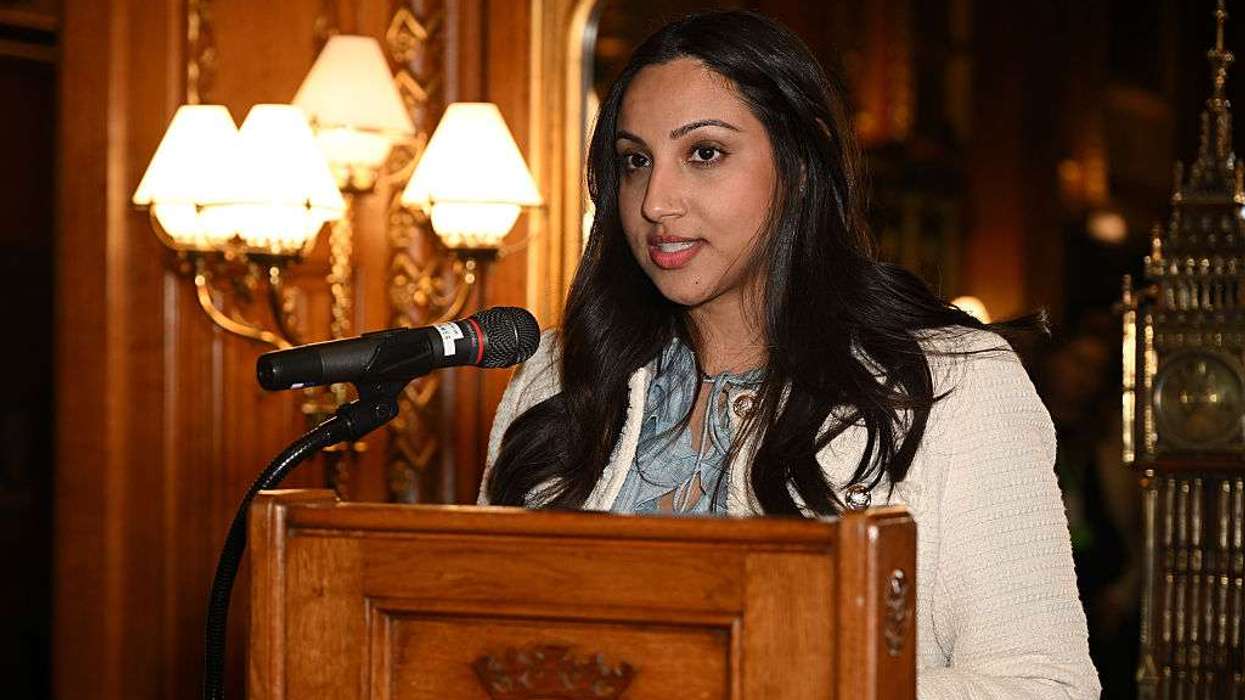
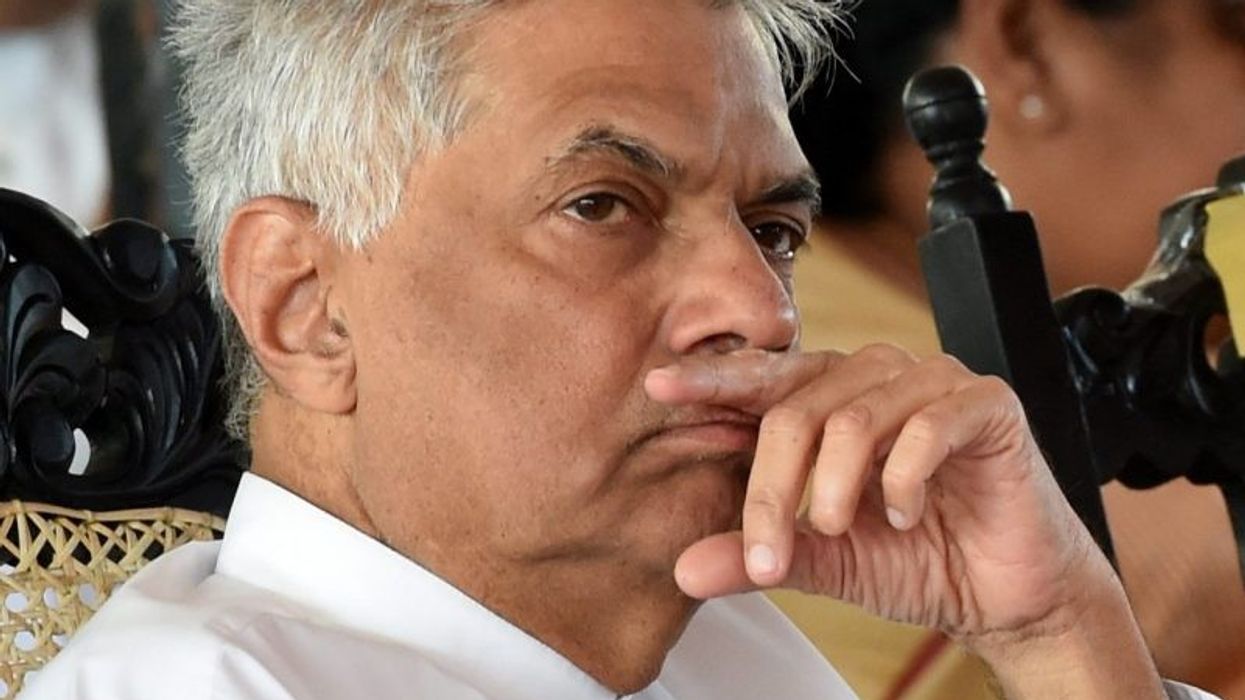
Dr Penny Dash, chair of NHS England, has praised India's use of technology to expand healthcare access and reduce the cost of delivering care, suggesting the country could soon become a global model for healthcare provision.
Speaking on the HealthTech Hour podcast hosted by Steve Roest, Dash was strikingly enthusiastic about India's approach.
“India, oh my goodness... India is just off,” she said, before declaring: “I think India is probably going to become the global exemplar in healthcare provision.”
For a British healthcare establishment wrestling with rising demand, an ageing population and pressure on NHS productivity, that is quite an endorsement.
India’s technology-first approach
Dash said India's enthusiasm for technology was particularly impressive because it was being used not simply to make healthcare more sophisticated, but to make it more accessible.
She highlighted India's ability to combine technology with standardised operating processes, allowing services to be delivered at scale and, crucially, at a lower unit cost.
“By using technology you can reduce the unit cost of care,” Dash said.
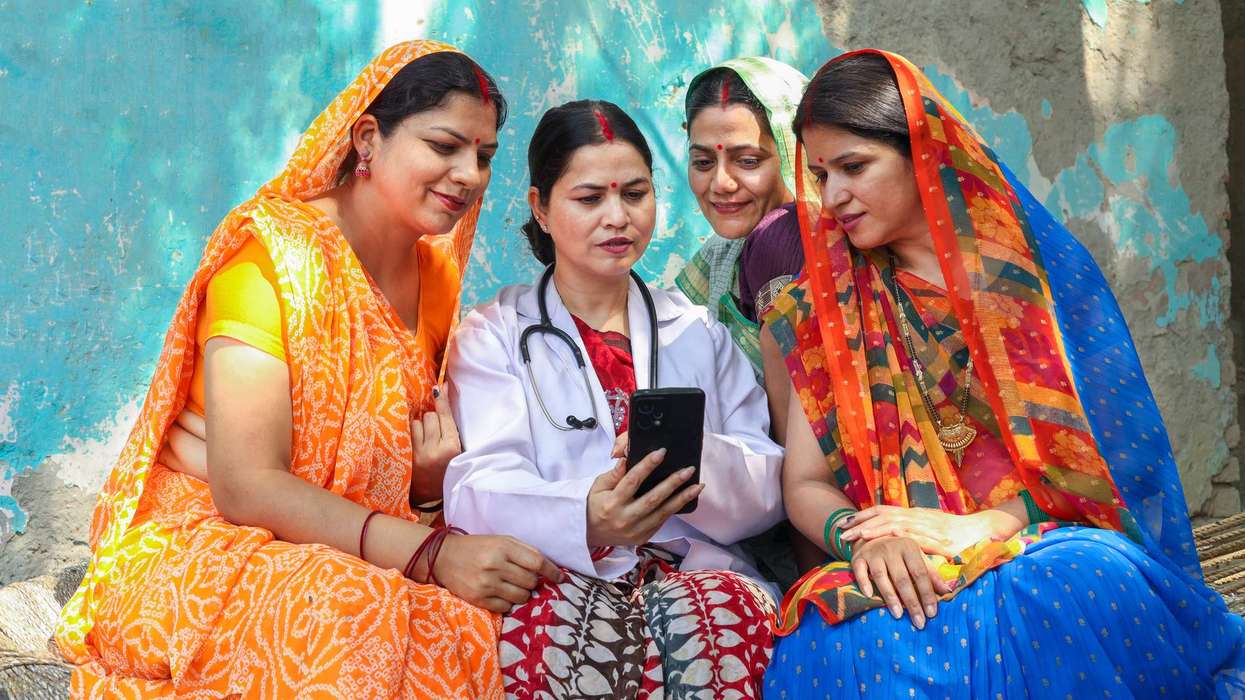
India's digital health infrastructure provides several examples of this approach. The Ayushman Bharat Digital Mission is creating a large-scale digital health ecosystem, while the government-backed eSanjeevani platform has enabled hundreds of millions of teleconsultations.
Artificial intelligence is also increasingly being explored for disease detection and predicting localised outbreaks, including malaria and dengue.
For Dash, the important point is not simply that India has impressive technology. It is that the technology is being deployed across a huge and diverse population.
Why the NHS could take notes
Dash argued that India adopted standardised operating processes relatively early and is now using technology to make those systems more efficient.
She contrasted this with the challenge facing established healthcare systems, where older infrastructure, processes and working practices can make innovation harder to implement quickly.
Her comments come as the NHS continues to look for ways to improve productivity and expand digital healthcare while dealing with increasing demand.
Dash has also previously acknowledged that the NHS has significant strengths, including high-quality clinical care and strong evaluation of new treatments and technologies. However, she has pointed to variation in how care is delivered and the difficulty of spreading successful innovations quickly across the system.
India is not a perfect healthcare blueprint
There is, however, a sizeable caveat to the enthusiasm.
India's healthcare system is vastly different from Britain's, with major differences in public and private provision, affordability, infrastructure and access between regions and communities.
Critics have also questioned whether India's impressive digital progress can automatically be translated into a model for universal healthcare.
That distinction matters. India may offer lessons in technology, scale and cost efficiency without providing a complete template for the NHS.
Dash's argument is therefore less about Britain copying India wholesale and more about recognising where a younger, rapidly digitising healthcare ecosystem has managed to move faster.
The irony is hard to miss: Britain built one of the world's most influential public healthcare systems, only to find itself looking to India for lessons on how to make that system work more efficiently.
Perhaps the future of healthcare will not belong to the country with the oldest institutions but to the one willing to rethink them.