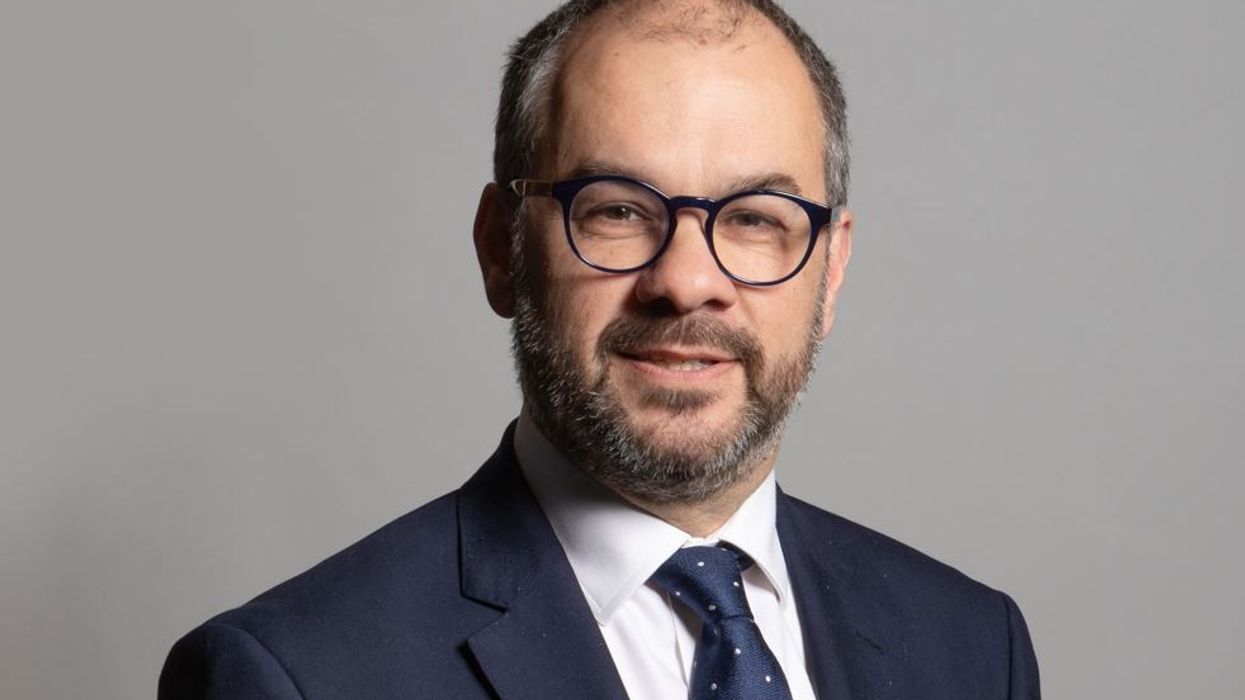

Conservative party MP Paul Scully's remark that parts of the London borough have become a “no-go” zone has upset the residents and businesses in Tower Hamlets.
The former London minister, who represents Sutton and Cheam, on Tuesday said he regrets sparking a controversy by claiming that parts of Tower Hamlets and Birmingham have become “no-go areas”.
He made these remarks during an interview with BBC London radio on Monday while condemning MP Lee Anderson for claiming that London Mayor Sadiq Khan was under the control of Islamist extremists.
During the interview he had said, "Parts of Birmingham, Sparkhill, where there are no-go areas, mainly because of doctrine, mainly because of people using, abusing in many ways, their religion because it is not the doctrine of Islam, to espouse what some of these people are saying.
"That, I think, is the concern that needs to be addressed."
Both Tower Hamlets and Sparkhill have large Muslim populations.
His remarks were condemned by Labour MPs Apsana Begum and Rushanara Ali, whose constituencies cover Tower Hamlets.
A source close to London mayor told BBC that Scully was resorting to a 'notorious Islamophobic trope' with highly offensive and untrue claims.
Tower Hamlets residents who spoke to the Standard have refuted Scully's claims.
Trish Donnelly, a retail worker who had lived in the area for over 35 years, told the Standard that she hasn't come across any 'no go areas'. In fact the area is very multicultural, welcoming, and has an old London charm.
Another resident Ali Sarwar, a restaurant worker, said MP's comments were hurtful and incorrect.
He conceded that there was crime in the area, "but that is the same for every big city".
Last year Scully ran to be the capital's next Conservative mayoral candidate, but failed to make it to the shortlist.