BOLLYWOOD CELEBRITIES UNDER LENS FOR ‘DRUG CONSUMPTION’
by ASJAD NAZIR
THERE is a very famous saying that goes, ‘what happens in Vegas, stays in Vegas’.
In the same spirit, there is an unwritten rule in Hindi cinema, which is ‘what happens at a private Bollywood party, stays in the party’. By breaking that rule last year, Karan Johar committed one of the greatest Bollywood PR blunders in history.
An Indian star usually gets bad publicity for a misdeed individually, but in July 2019 the filmmaker managed to torpedo a load of known names with a short one-take video clip he shared on Instagram, from a house party he was hosting.
Instead of demonstrating his popularity, the social media stunt backfired largely because those in the video looked wasted or suspicious.
The short video was universally condemned at the time of release and had countless people, including media and a politician accusing Johar of hosting a drugs party. Johar vehemently denied any wrongdoing and stated quite comprehensively no drugs were being consumed.
Most didn’t believe him, thinking that those in the video, including Deepika Padukone, Arjun Kapoor, Vicky Kaushal, Varun Dhawan, Malaika Arora, Ranbir Kapoor, Zoya Akhtar and Ayan Mukherjee, were high.
That infamous video continued to damage the reputations of all those present and now 14 months later it is back in the news headlines for all the wrong reasons.
The arrest of actress Rhea Chakraborty and the on-going high-profile Narcotics Control Bureau (NCB) investigation, which has expanded into Bollywood, has put all those present at Johar’s 2019 house party in the firing line. The short video clip is now widely being shared across social media and played on a loop across news channels.
This has now prompted Indian law enforcement to investigate the infamous video and politicians to speak up against it, which is subsequently leading to it being shared even more. That has triggered more public anger towards Bollywood and especially those stars in the video, who don’t come across well.
It may just have been innocent fun without drugs like Johar strongly claimed, but that short video has done massive damage to the stars in it and they are not happy about it. Some of my sources in Bollywood have revealed many of those present that day are furious and won’t attend any such house parties again.
What has made matters even worse is that authorities have been arresting drug peddlers in recent weeks, including those allegedly
supplying illegal substances into Bollywood.
Now as the NCB investigation expands, anyone remotely connected
to drugs in Bollywood, even if with rumours and assumptions, is under a legal spotlight. So those at Johar’s 2019 house party can expect some tough times ahead of them, which proves it was indeed an epic PR blunder.

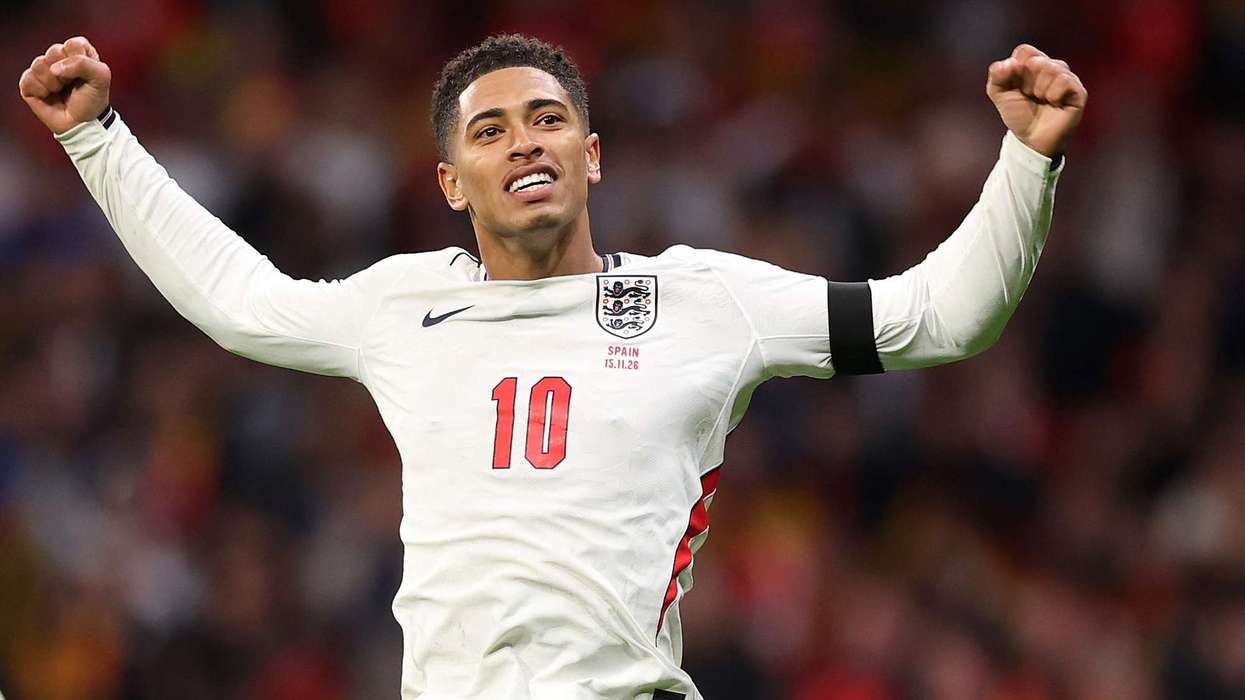
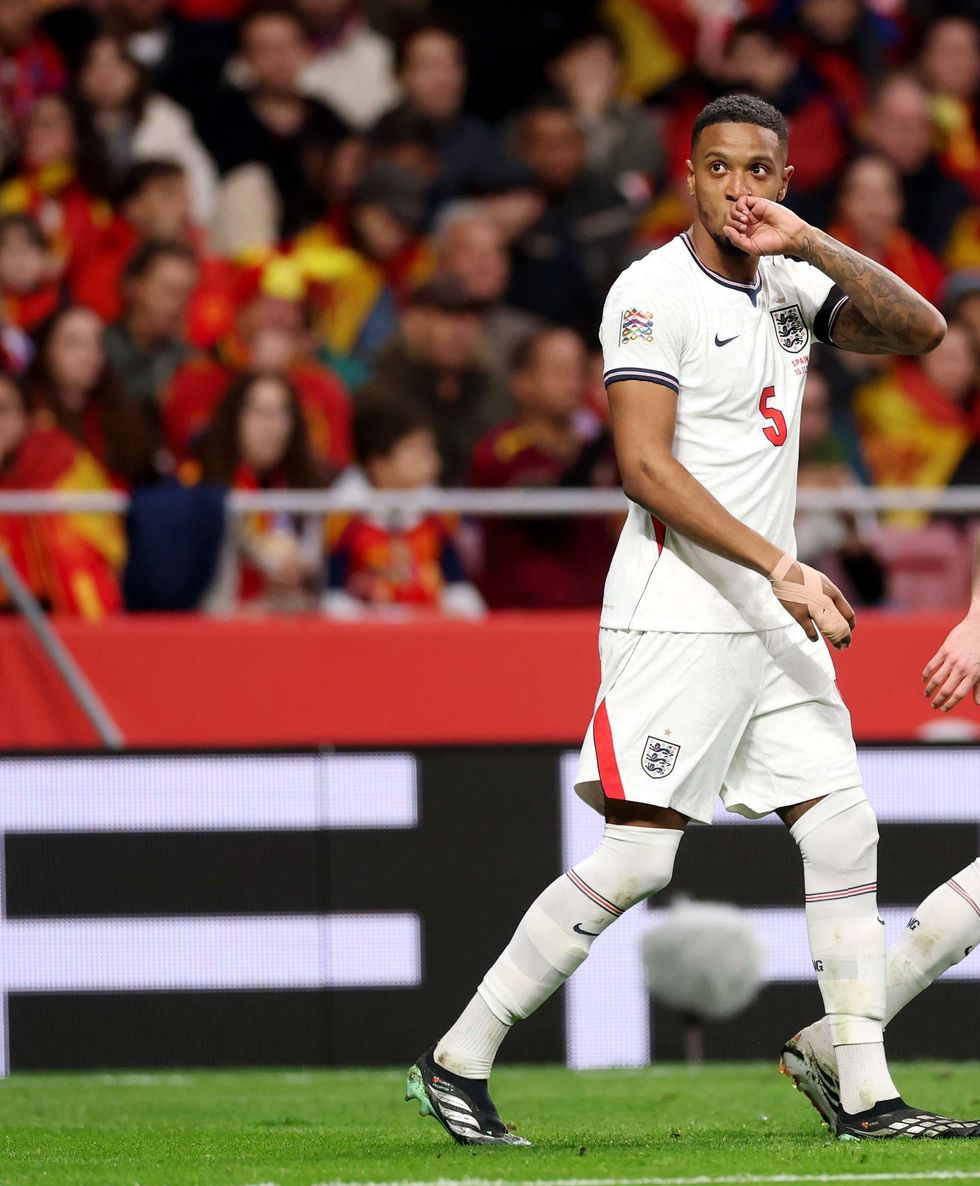 MADRID, SPAIN - NOVEMBER 15: Ezri Konsa of England celebrates scoring his team’s second goal during the UEFA Nations League 2026/27 group phase match between Spain and England at Riyadh Air Metropolitano on November 15, 2026 in Madrid, Spain. (Photo by Carl Recine/Getty Images)