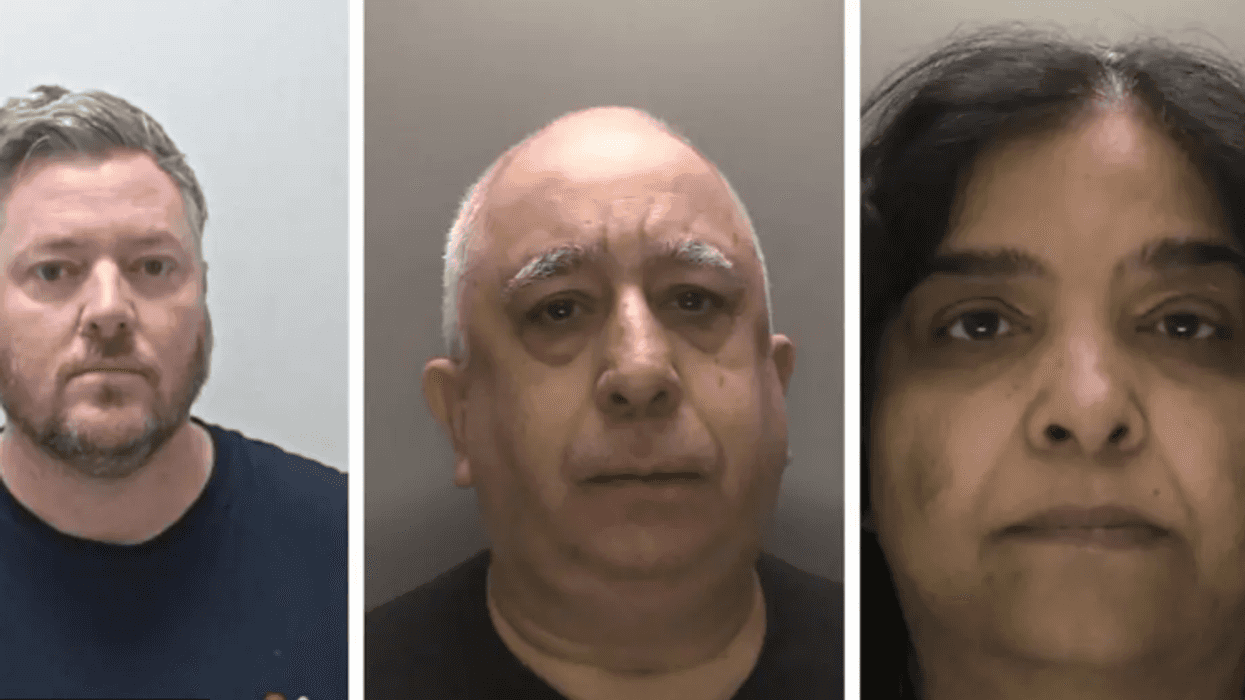
PAKISTANI authorities on Thursday (10) arrested four aides of Islamist leader Hafiz Saeed, the suspected mastermind of a four-day militant attack on the Indian city of Mumbai in 2008, on terrorism financing charges, counter-terrorism police said.
Saeed, arrested on the same charges, has been on judicial remand since July, a move welcomed by the US president Donald Trump who wants Pakistan to do more to crack down on militancy.
But Saeed's arrest came just ahead of a visit to Washington by prime minister Imran Khan and was seen by rival India as a ploy to smooth the way before a meeting with Trump.
Thursday's arrests come ahead of a meeting next week of the Financial Action Task Force, a global watchdog, which will review progress made by Pakistan on controlling terror financing and money laundering.
Pakistan, included on a so-called grey list compiled by the FATF, has been under increasing pressure to stop the financing of militant groups.
The four aides will appear before a trial court on Friday (11), police said in a statement.
Saeed, designated a terrorist by the US and the United Nations, is the founder of Lashkar-e-Taiba, or Army of the Pure, the militant group blamed by the US and India for the Mumbai attacks, which killed more than 160 people.
The US has offered a $10 million reward for information leading to Saeed's conviction.
He has denied any involvement and said his network, which includes 300 seminaries and schools, hospitals, a publishing house and ambulance services, has no ties to militant groups.
(Reuters)