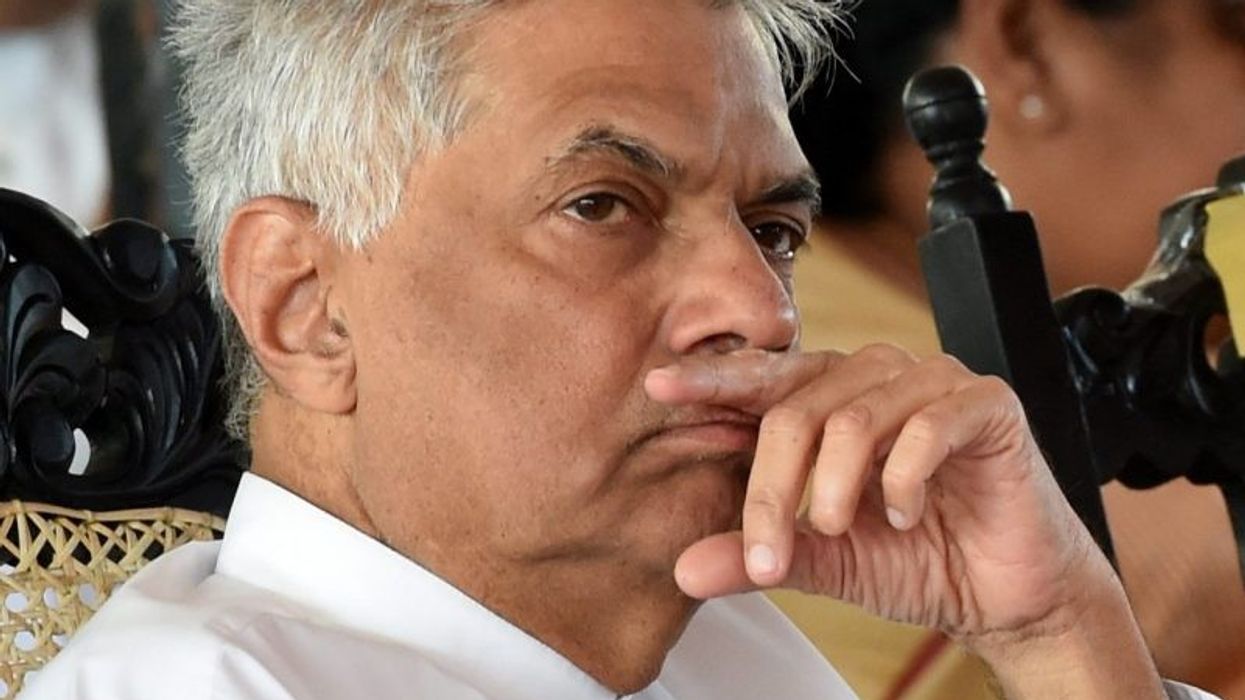
PAKISTAN'S army chief, General Qamar Javed Bajwa, was handed a three-year extension on Monday (19) as tension with neighbouring India flared this month over Kashmir, the prime minister's office said.
The two countries have exchanged fire along the line of control (LoC) that separates Pakistani and India following India's decision to revoke special status for its portion of Kashmir.
"The decision has been taken in view of the regional security environment," the prime minister's office said in a statement announcing the decision.
Bajwa's tenure was due to end in November but analysts have long predicted the extension.
Relations between Pakistan and India had already been strained after a suicide car bombing in February that killed at least 40 Indian paramilitary police in Kashmir and led to an aerial dogfight between Pakistani and Indian jets.
Pakistan observed a 'Black Day' on Thursday (15) to coincide with India's Independence Day celebrations. Newspaper issues had black borders and politicians, including prime minister Imran Khan, replaced their social media pictures with black squares. Flags on government buildings flew at half-mast.
Since Saturday (17) there has been a series of protests against the decision by prime minister Narendra Modi's government to revoke the autonomy of India's only Muslim-majority region.
Officials said security forces had been pelted with stones on 47 occasions on Saturday night in the Kashmir Valley, and more than 20 on Sunday (18). One said the protests were growing more intense.
During Bajwa's tenure, the military has been accused by opposition politicians of electoral manipulation to bring prime minister Imran Khan to power.
Media outlets have also complained about strong restrictions on free speech.
The military, which has ruled Pakistan for nearly half its 72-year history, has denied interfering in politics or muzzling the media.
(Reuters)





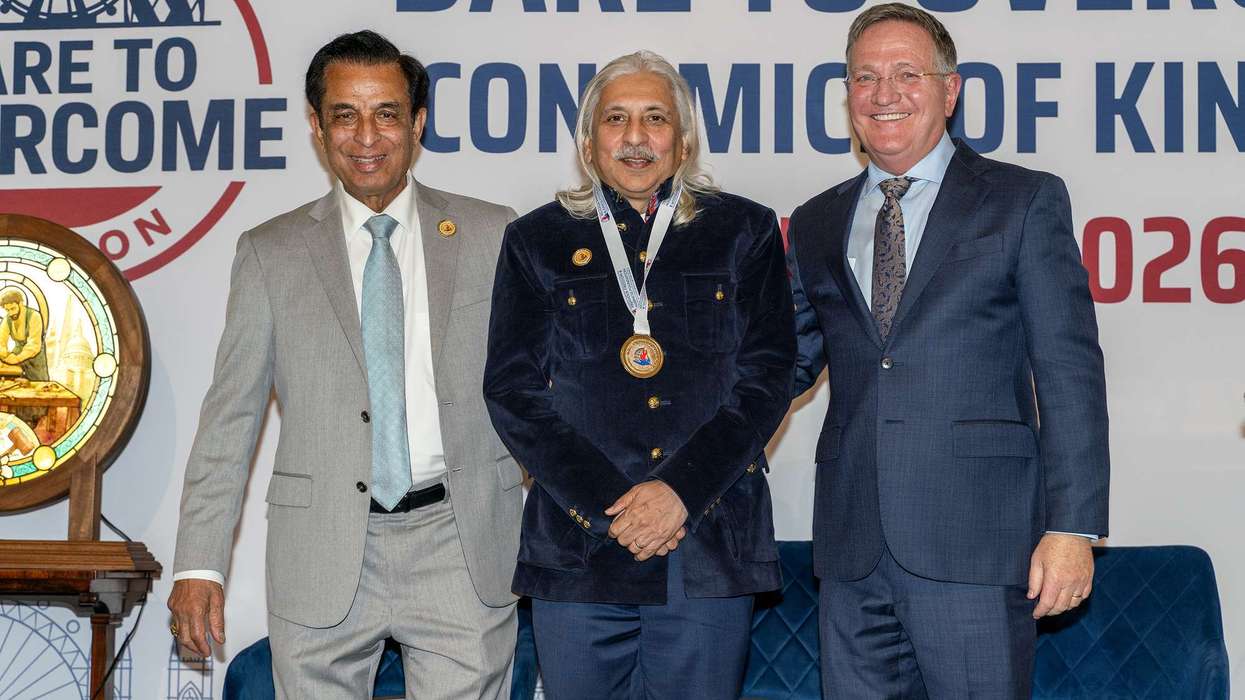
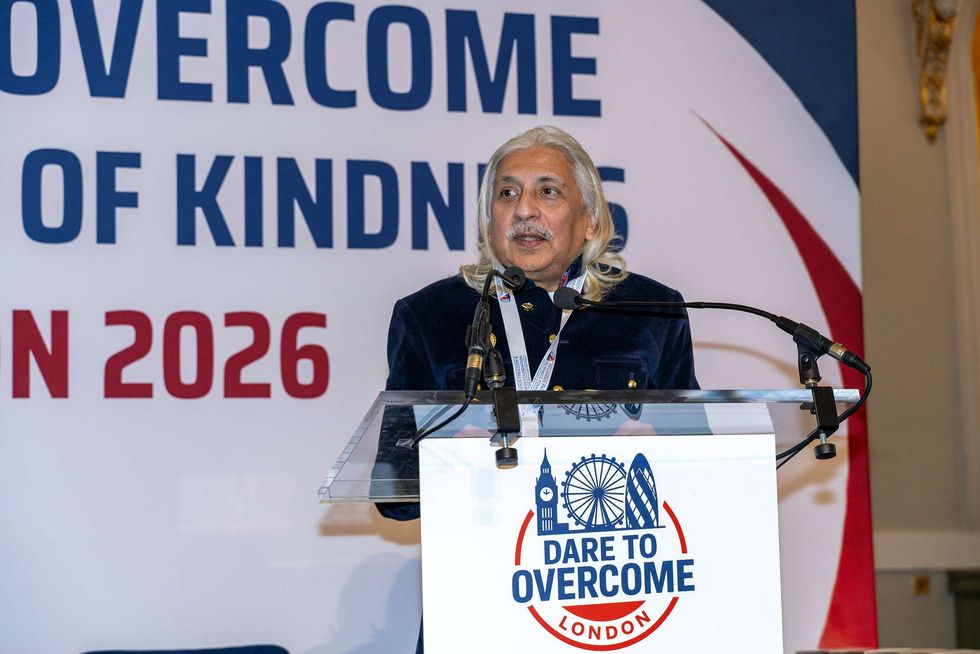 Sanjoy K Roy speaks during the eventEastern Eye
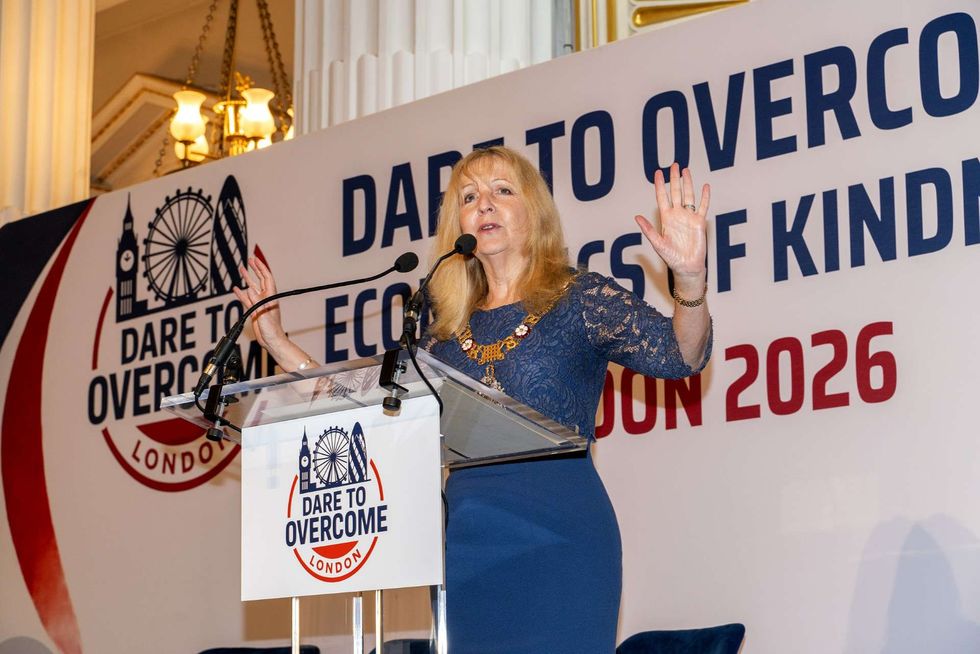 Dame Susan Langley, Lady Mayor of the City of London, speaks during the eventEastern Eye
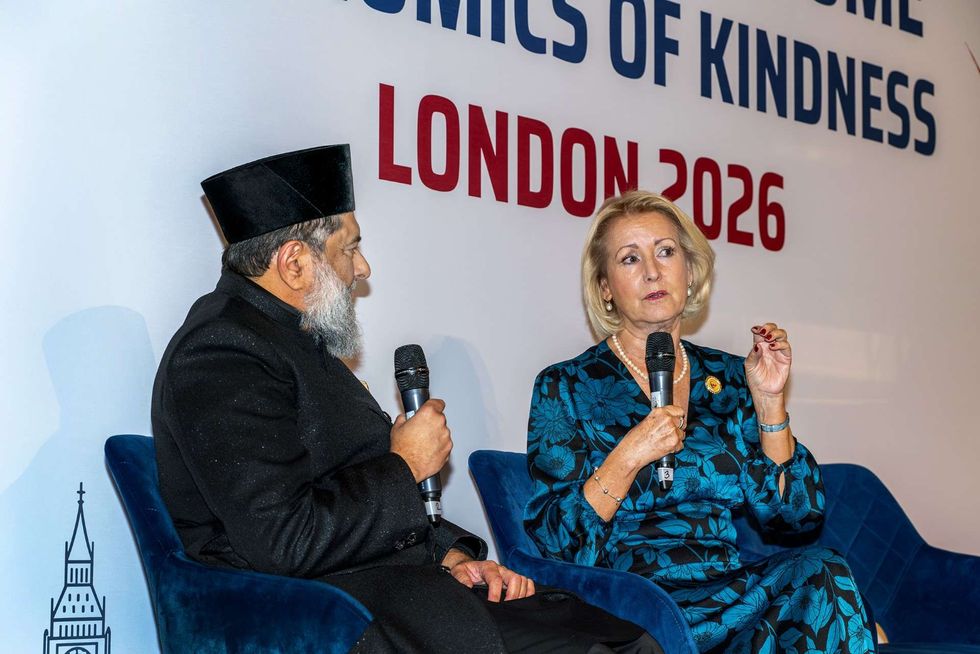 Dame Elizabeth Corley with Shaykh Ibrahim Mogra, Chaplain, Canary Wharf Multifaith ChaplaincyEastern Eye