
- School gas and electricity bills are expected to rise by about £8m by March 2027.
- Schools have been advised to cut heating by an hour a day and make greater use of natural light.
- Principals say keeping classrooms warm is essential for pupils and staff, with some buildings difficult and expensive to heat.
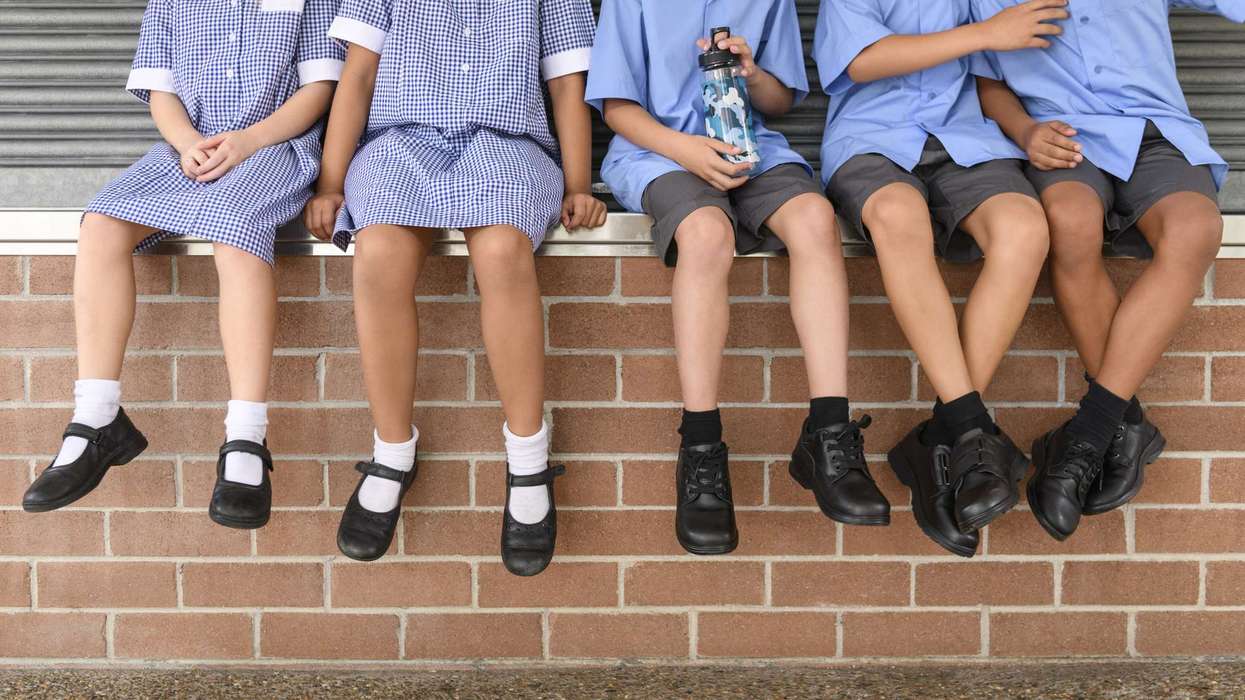
Schools across Northern Ireland have been told to “wear more clothes” if they are cold rather than turn up the heating, as rising energy costs put further pressure on education budgets.
The Education Authority (EA) has asked schools to review their energy use and reduce heating and lighting “wherever possible”. It warned that the cost of gas and electricity used by schools is expected to increase by about £8 million by March 2027.
The EA said recent geopolitical events were expected to have a “substantial impact” on energy costs during the 2026/27 financial year. Rising energy prices are already putting pressure on households across Northern Ireland.
The guidance comes as the education system itself faces significant financial pressures. The EA previously said it was dealing with a projected shortfall of about £300m and had identified savings measures to help manage its finances.
Why have Northern Ireland school energy bills jumped?
The biggest increase is expected in gas costs.
Total school gas bills are forecast to rise from £10.7m to £17m, an increase of about 60 per cent, by March 2027.
Electricity costs are also expected to increase, from £23.8m to £25.1m over the same period.
The EA has therefore asked schools to identify opportunities to reduce consumption. Suggested measures include cutting heating use by an hour a day and switching off classroom lights where natural daylight is sufficient.
The authority has also advised staff and pupils to “wear more clothes” rather than increase the thermostat if they are cold.
The EA has previously worked with schools on energy-saving measures. A 2024 pilot involving 12 schools looked at technologies such as heat sensors and simple changes including switching off lights, with the aim of finding ways to reduce costs and improve energy efficiency.
But school leaders say there is a limit to how far those measures can go.
Are schools really being told to wear more clothes?
Yes. But principals have stressed that reducing heating is not as straightforward as simply lowering the thermostat.
Kirsty Logan-Hall, principal of Tullygally Primary School in Craigavon, said the school was committed to responsible energy consumption but faced particular challenges because of its older and spread-out buildings.
“The school operates from an older building which presents inherent energy efficiency challenges,” she said.
She added that the site's specialist provision meant multiple areas had to be heated and lit throughout the school day to maintain appropriate learning environments, accessibility and pupil welfare.
“It is important to recognise that there is limited scope for reducing energy consumption without adversely impacting the quality of provision, staff working conditions or the wellbeing of pupils, including those with additional needs,” she said.
At Holy Evangelists Primary School in Dunmurry, principal Claire Robinson described the school's energy costs as “ferocious”.
“We can't play around with the heating,” she said, explaining that parts of the school have underfloor heating and classrooms cannot fall below a certain temperature.
Even though the school building is relatively new, Robinson said it had an energy efficiency rating of D because of the costs involved in running its heating system.
Why can't schools simply turn down the heating?
Some principals say doing so could affect pupils' ability to learn comfortably, particularly in older or specialist buildings.
Brian Guthrie, principal of Ebrington Primary School in Londonderry, described asking children to sit in classrooms wearing extra clothes during winter as “ridiculous”.
“I'm not going be asking children and staff to put coats and hats on during the winter time,” he told BBC Radio Foyle's North West Today programme.
Guthrie said his school, which is around 10 years old, is currently very energy efficient. It installed 100 solar panels last year and expects the investment to pay for itself over the next five years.
“Children need to be taught in an ambient classroom,” he said, adding that the EA should look at other ways of saving money in schools.
Emma Quinn from Rathcoole Primary School also criticised the pressure being placed on schools, pointing to maintenance problems and the work already being done to reduce energy use.
“Pupils have a right to come into a warm school after being outside,” she told BBC Good Morning Ulster.
The disagreement highlights the difficult balance facing Northern Ireland's education system. The EA needs schools to reduce spending as energy costs rise, but school leaders say some savings measures have a direct limit when they involve heating classrooms and maintaining suitable conditions for children.
For the EA, the challenge is not simply to use less energy. Its own 2026/27 business plan identifies the need to maintain learning environments that are safe, inclusive and fit for purpose, while also strengthening the financial sustainability of schools and meeting Northern Ireland's climate obligations.