Skip to content
Search

Latest Stories

Submit Guest Post

No-deal Brexit an 'instantaneous' shock to economy: Carney

BANK OF ENGLAND governor Mark Carney on Friday (2) warned that a no-deal Brexit would be a shock for Britain, causing supply disruption and potentially undermining entire sectors of the economy such as the car industry and farming.

"With no deal the shock to the economy is instantaneous and instantly.... you actually have businesses that are no longer economic," he told BBC radio, warning that the number of companies affected could be "substantial".


Carney also said that in the event of a no-deal Brexit, the falling pound would suddenly increase prices for imported goods such as petrol and food and force up inflation.

The governor added he was still expecting a deal with Brussels, which Boris Johnson's new government has said it is aiming for.

But he warned there was "a significant possibility" that Britain could leave the EU with no divorce agreement.

"There are some very big industries in this country where that which is highly profitable becomes not profitable, becomes not economic" in case of no-deal, Carney said.

"Very difficult decisions need to be taken."

(AFP)

Add EasternEye As Your Trusted Source
preferred source on google news

More For You

IMF

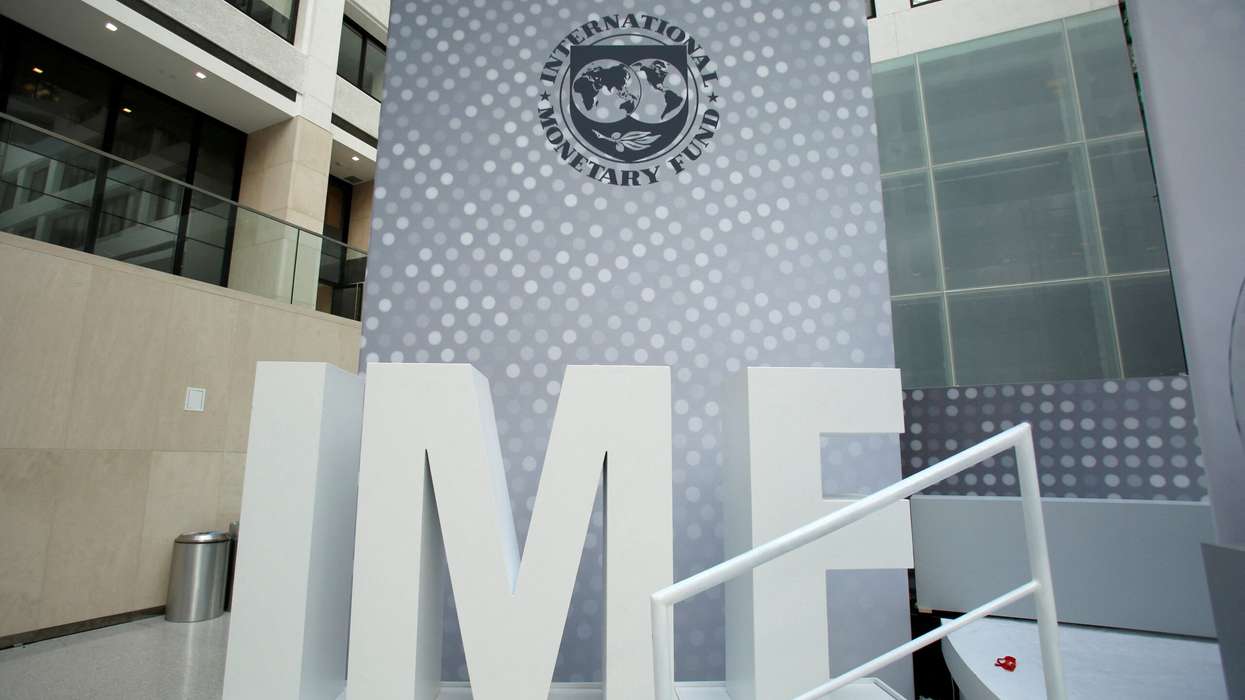
The IMF has warned that dwindling oil reserves and limited government finances could leave the global economy exposed to further shocks

REUTERS

IMF warns global economy could hit its limits as oil reserves dwindle

  • The IMF forecasts global economic growth of 3.1 per cent in 2026, up from its previous estimate of 3 per cent.
  • Global inflation is expected to reach 4.7 per cent this year before easing to 4.1 per cent in 2027.
  • The Fund warns that higher energy prices and interest rates could slow UK growth to 1.2 per cent next year.

The global economy could soon struggle to withstand another major shock as emergency oil stocks dwindle and governments face mounting financial pressures, the International Monetary Fund (IMF) has warned.

In its latest World Economic Outlook, published on Tuesday (13), the Fund said the global economy had proved more resilient than expected during the Middle East conflict over the past six months. However, it cautioned that the measures used to cushion the impact of the US-Iran war were becoming harder to sustain.

Keep ReadingShow less