
PUBLIC satisfaction with the NHS has risen for the first time since before the Covid pandemic, though experts have warned the improvements remain "fragile" and the public is still largely unhappy with the health service.
The latest British Social Attitudes survey, which questioned around 3,400 people across England, Scotland and Wales between August and October 2025, found that 26 per cent are now satisfied with how the NHS is run, up from a record low of 21 per cent last year.
The share of people who are dissatisfied fell by eight percentage points, the biggest drop since 1998, though it remains high at 51 per cent.
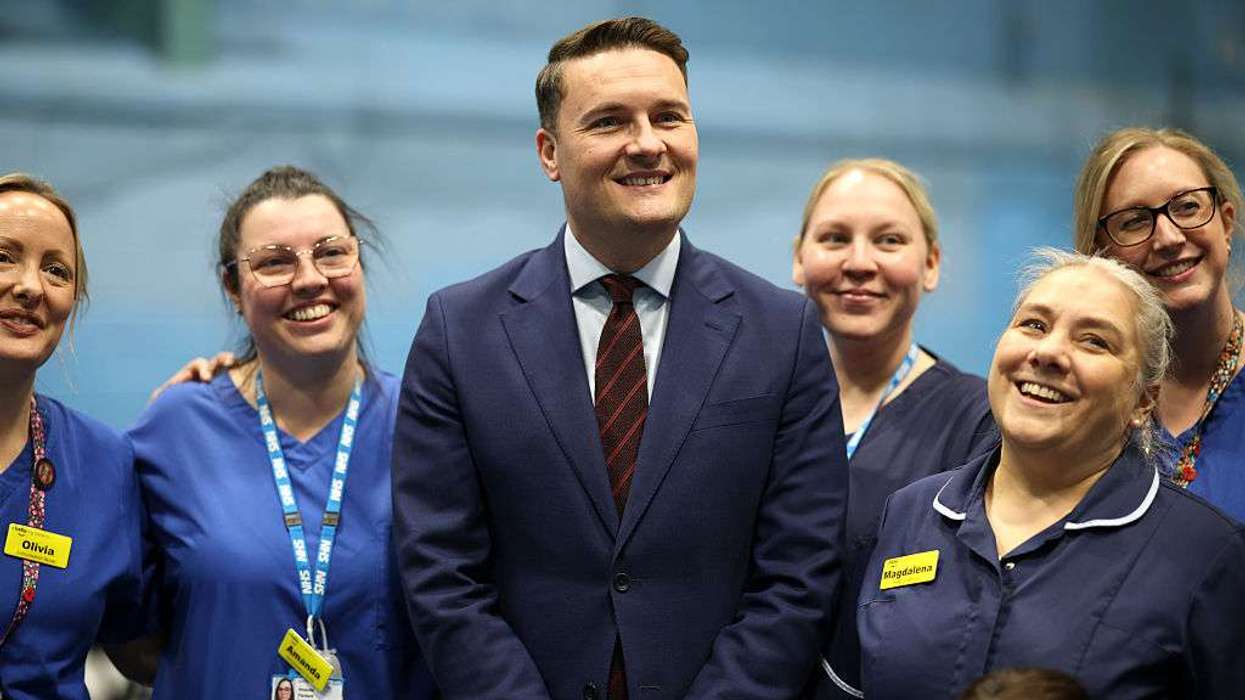
Health secretary Wes Streeting hailed the findings as proof that the NHS, which he described as "broken" when Labour came to power in July 2024, was now on the mend.
"The biggest drop in dissatisfaction since 1998 doesn't happen by accident. It is thanks to the government's investment and modernisation — all of which has been hard fought but is now delivering results," he said, adding that patients were "beginning to feel the change, and the NHS is showing that things can get better."
Despite the improved mood, the survey painted a picture of a public still deeply frustrated with waiting times. Two-thirds of people are unhappy with A&E waits, 63 per cent are dissatisfied with the time it takes to receive hospital care, and 58 per cent are dissatisfied with how long it takes to get a GP appointment. Only 22 per cent are satisfied with A&E or dental services, and just 14 per cent are satisfied with social care.
Dan Wellings, a senior fellow at The King's Fund, said frustration with waiting times remained "deeply embedded", adding: "Either it's too hard to get through the front door or they are in a queue that barely moves."
Health think tanks the King's Fund and the Nuffield Trust described the results as "green shoots" of recovery, but cautioned that they showed only fragile improvements 21 months after Labour took power.
Mark Dayan of the Nuffield Trust said the numbers would still "have been thought catastrophic in the 2010s" and remain worse than during the 1990s, when public unhappiness with the NHS was widespread.
"The rise in satisfaction is a glimmer on the horizon, but the public mood remains dark," he said.
Streeting on Wednesday (25) acknowledged there was a "long road ahead" and announced that five NHS trusts with "deep-rooted challenges" would be the first to be placed in a new NHS Intensive Recovery programme, starting in April.
He said their "failure has been tolerated for too long", and that while there had been improvement across the NHS overall, some "challenged" trusts continued to struggle.
The five trusts are North Cumbria Integrated Care NHS Foundation Trust, Mid and South Essex NHS Foundation Trust, Hull University Teaching Hospitals NHS Trust, Northern Lincolnshire and Goole NHS Foundation Trust, and East Kent Hospitals NHS Trust.
The Department of Health and Social Care said the trusts were not failing through lack of effort but faced structural constraints and financial imbalance. Each will receive tailored support, including a change of leadership where necessary, with NHS veterans brought in to underperforming areas, the possible merging or separating of trusts, and funding for crumbling estates.
Streeting said: "The NHS is on the road to recovery, but there's a lot of road ahead. My foot is pressing down on the accelerator and I won't stop until the job is done."