
THE NHS waited two days before alerting authorities about a meningitis case, leading to a delay in identifying a wider outbreak, according to a news report.
The UK Health Security Agency (UKHSA) was informed on the afternoon of Friday, March 13 about a case at Queen Elizabeth the Queen Mother Hospital in Margate. The patient had first arrived on Wednesday evening, despite rules requiring suspected cases to be reported immediately.
East Kent Hospitals NHS Trust, which runs the hospital, told the BBC it waited for a confirmed diagnosis before notifying UKHSA. Dr Des Holden, acting chief executive, said: "We recognise there was an opportunity prior to diagnosis to notify UKHSA."
Invasive meningitis is classed as an urgent notifiable disease under Health Protection Regulations 2010, meaning suspected cases must be reported without waiting for test confirmation.
Experts said the delay may have affected early response measures. Prof Paul Hunter of the University of East Anglia told the BBC: "Delaying reporting a case is indefensible. You don't wait for a formal diagnosis when it comes to meningitis – you report it straight away so it can be investigated."
He added: "If they had known, they may have come forward for treatment sooner."
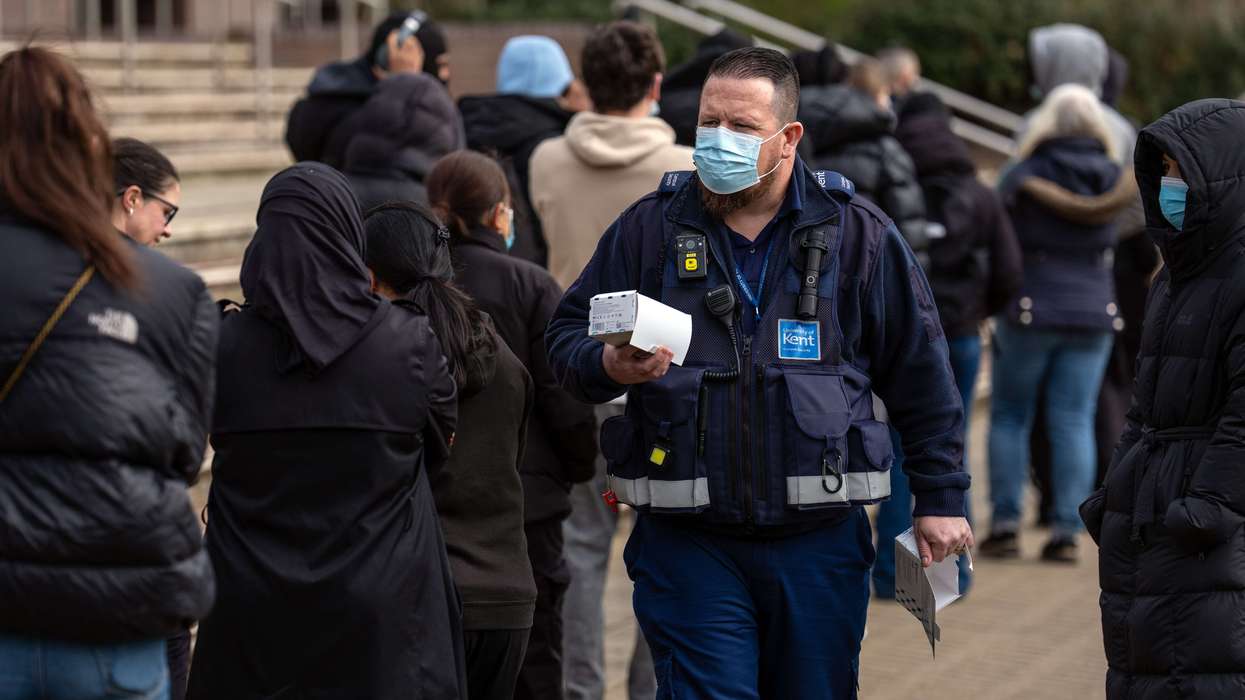
There have been 22 suspected and probable cases, all among young adults and teenagers. Two people have died and four were in intensive care as of Monday. UKHSA said 10 people developed symptoms between the first admission and the public alert issued on Sunday, March 15.
The BBC reported the first patient was Annabelle Mackay, 21, a University of Kent student. She said: "If the report had been made earlier, other people could have been warned to look out for symptoms."
Health secretary Wes Streeting said the delay was "not good enough" but added he did not believe it had a "material impact" on containing the outbreak.
UKHSA said an earlier report could have led to quicker investigations and preventative treatment for close contacts.