
Skip to content
Search

Latest Stories

Netflix seeks recruits for real-life Squid Game

The original fictional series was seen as a biting satire on modern capitalism.

Netflix seeks recruits for real-life Squid Game

Want to play Squid Game for real? Netflix is looking for recruits to compete for millions of dollars -- and even promises not to have you violently murdered if you lose.

"With the largest cast in reality TV history, 456 real players will enter the game in pursuit of a life-changing cash prize of $4.56 million," the streaming platform said on a site set up to look for candidates.


Squid Game: The Challenge is looking for English speakers from around the globe, aged at least 21 and free to travel for up to a month in early 2023.

Unlike the original, ultra-violent fictional show from South Korea, which became one of the biggest-ever hits on Netflix last year, losing contestants will not be killed.

"The stakes are high, but in this game, the worst fate is going home empty-handed," the platform promises.

Describing the new reality show as its "biggest-ever social experiment", Netflix says players will compete "in a series of heart-stopping games.”

The original fictional series was seen as a biting satire on modern capitalism, with contestants drawn from the fringes of society to play children's games for the chance to win big sums of money -- with the threat of being killed if they lose.

The new announcement comes shortly after Netflix confirmed a second season of the "Squid Game" was on the way.

In April, its creator Hwang Dong-hyuk said the follow-up would not be ready until 2024.

More For You

Samir Zaidi

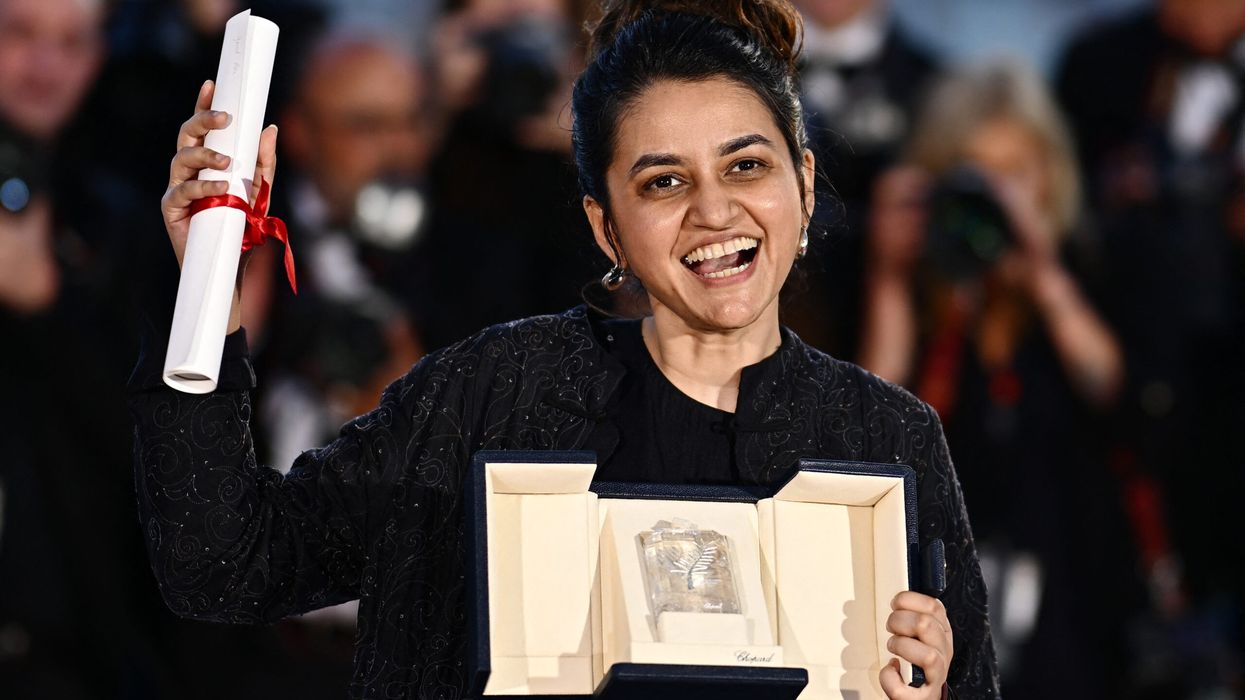
Two Sinners marks Samir Zaidi’s striking directorial debut

Samir Zaidi, director of 'Two Sinners', emerges as a powerful new voice in Indian film

Indian cinema has a long tradition of discovering new storytellers in unexpected places, and one recent voice that has attracted quiet, steady attention is Samir Zaidi. His debut short film Two Sinners has been travelling across international festivals, earning strong praise for its emotional depth and moral complexity. But what makes Zaidi’s trajectory especially compelling is how organically it has unfolded — grounded not in film school training, but in lived observation, patient apprenticeships and a deep belief in the poetry of everyday life.

Zaidi’s relationship with creativity began well before he ever stepped onto a set. “As a child, I was fascinated by small, fleeting things — the way people spoke, the silences between arguments, the patterns of light on the walls,” he reflects. He didn’t yet have the vocabulary for what he was absorbing, but the instinct was already in place. At 13, he turned to poetry, sensing that the act of shaping emotions into words offered a kind of clarity he couldn’t find elsewhere. “I realised creativity wasn’t something external I had to chase; it was a way of processing the world,” he says. “Whether it was writing or filmmaking, it came from the same impulse: to make sense of what I didn’t fully understand.”

Keep ReadingShow less