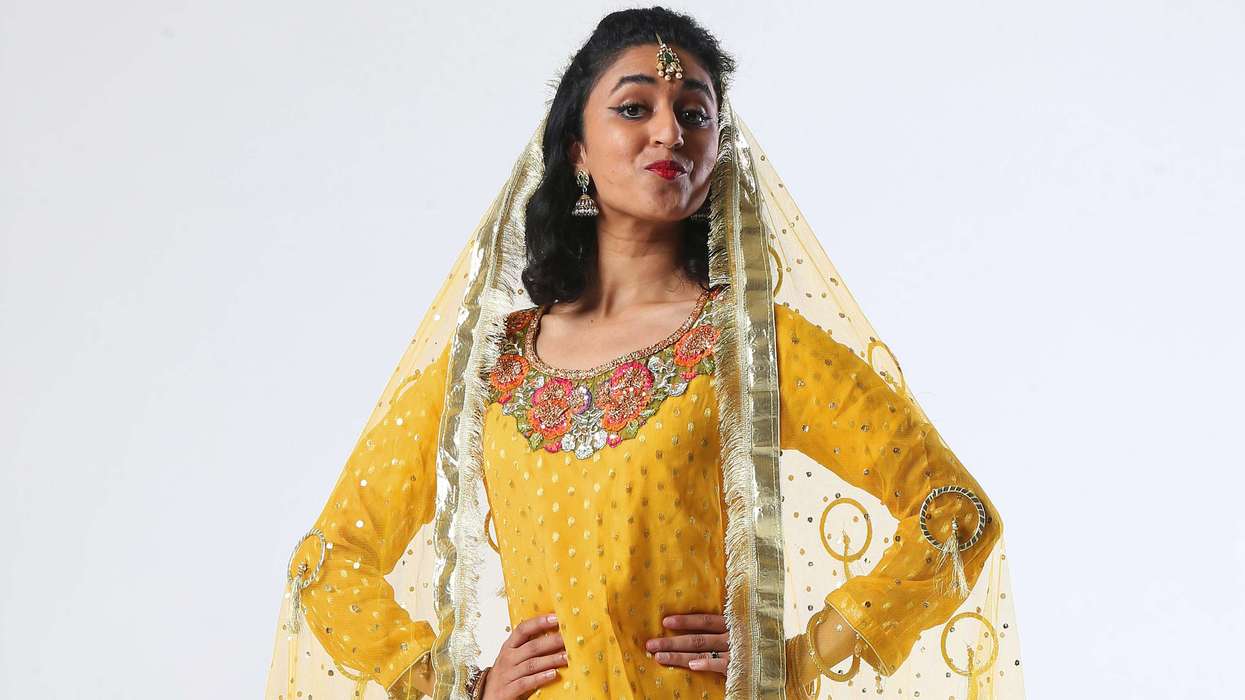

A NEW version of Mozart’s The Marriage of Figaro, set in 1970s Bradford, combines classical music with Bollywood and period drama, said British Indian opera singer Natasha Agarwal.
Describing the production as “Bollywood meets Downton Abbey”, Agarwal said its combination of romance, comedy and social divisions made the story relevant to modern audiences.
Agarwal plays Susanna in the Bradford Opera Festival production, which relocates the 18th-century comic opera to Yorkshire and features a new translation by poet and broadcaster Ian McMillan, alongside an orchestration combining Western and Indian classical music.
“I can draw on my heritage as a British Indian singer, my lifelong love of classical music and Mozart, and my love of Bollywood and period dramas,” Agarwal told Eastern Eye.
The Marriage of Figaro follows Figaro, a servant, and Susanna, a maid, as they prepare to marry. Their plans are thrown into chaos when their employer, Count Almaviva, tries to seduce Susanna, while other members of the household plot to stop the wedding.
With the help of the countess, who is unhappy with her husband’s behaviour, Figaro and Susanna devise tricks to expose and outwit the count. A series of disguises, mistaken identities and unexpected revelations leads to a comic tale of love, jealousy and class differences, as the servants use their intelligence to challenge those in power.
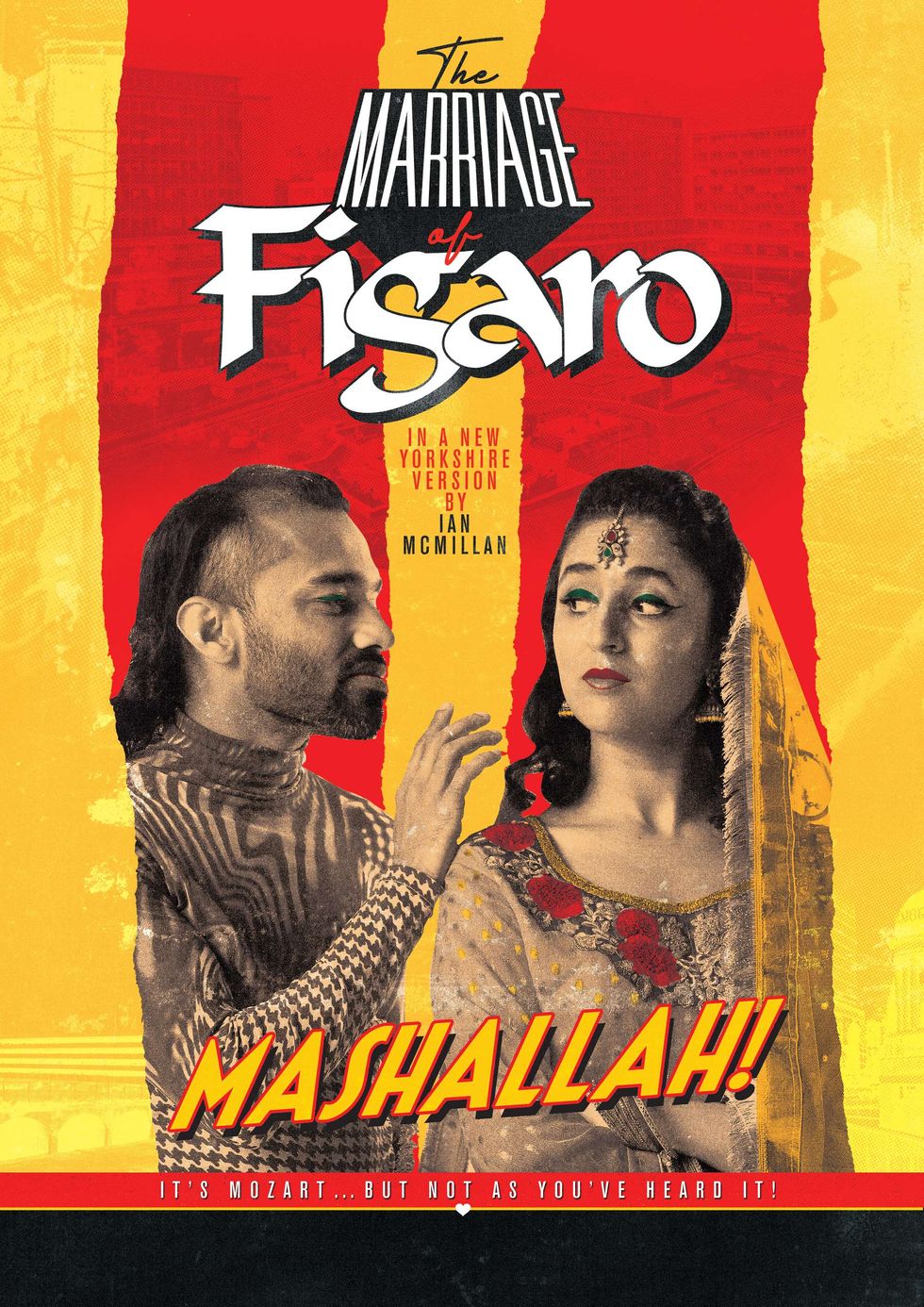 A poster for The Marriage of FigaroX
For Agarwal, Susanna is one of the work’s main attractions. She previously performed the role while studying at the University of Warwick. The experience also has a personal connection: the singer who played Figaro in that production is now her husband.
“It is a role and a show very close to my heart,” she said. “I would have jumped at the opportunity to play Susanna again, whatever the production. But this production and its modernisation are especially exciting, because the story is timeless.”
Agarwal describes Susanna as practical, quick-witted and determined, with a clear understanding of the society in which she lives.
“She is principled, but is also prepared to deal with whatever comes her way,” the singer said.
“Although Susanna is not the higheststatus character in the opera, she is often the one pulling the strings and driving the plot.”
The role also demands considerable stamina, as Susanna is on stage for much of the performance and must remain alert to events around her.
Agarwal said the character’s practical approach to life had influenced her own thinking.
“If I ever find myself overthinking things in my own life, I have started asking myself, ‘What would Susanna do?’ The answer is to get on with it and take the next step that needs to be taken,” she said.
McMillan’s adaptation gives the opera a Yorkshire setting and dialect, while composer and conductor Ben Crick has reworked the score for an ensemble of Western and Indian classical musicians.
Singer, poet and lyricist Kauser Mukhtar has also translated sections of the arias into Urdu and Punjabi.
Agarwal said she was looking forward to exploring how the new musical arrangement would work.
She believes the combination of musical traditions can reflect the relationships between the characters and the different cultures represented in the production.
“In the original opera, Mozart brought together different social classes through music,” she said, explaining how the music distinguishes between servants and aristocrats.
“I think Ben’s reorchestration, which incorporates classical Indian music, will introduce different cultural flavours into the world we are creating.”
The production also features south Asian opera singers Oscar Castellino and Kanchana Jaishankar, alongside Agarwal. The Count and Susanna are south Asian characters in this version, while the story explores relationships across cultural and social boundaries.
Agarwal said bringing musical traditions together should not mean weakening either one.
“We often talk about fusion in music, but the word can sometimes have negative connotations, as though combining two traditions means compromising the quality of both to create something in the middle that does not quite work,” she said.
“I hope this production challenges the idea that fusion must dilute each individual culture. Perhaps bringing different cultures together can create something even more beautiful, textured and rich.”
She drew a parallel with her own marriage to French-Canadian Nick Rivard.
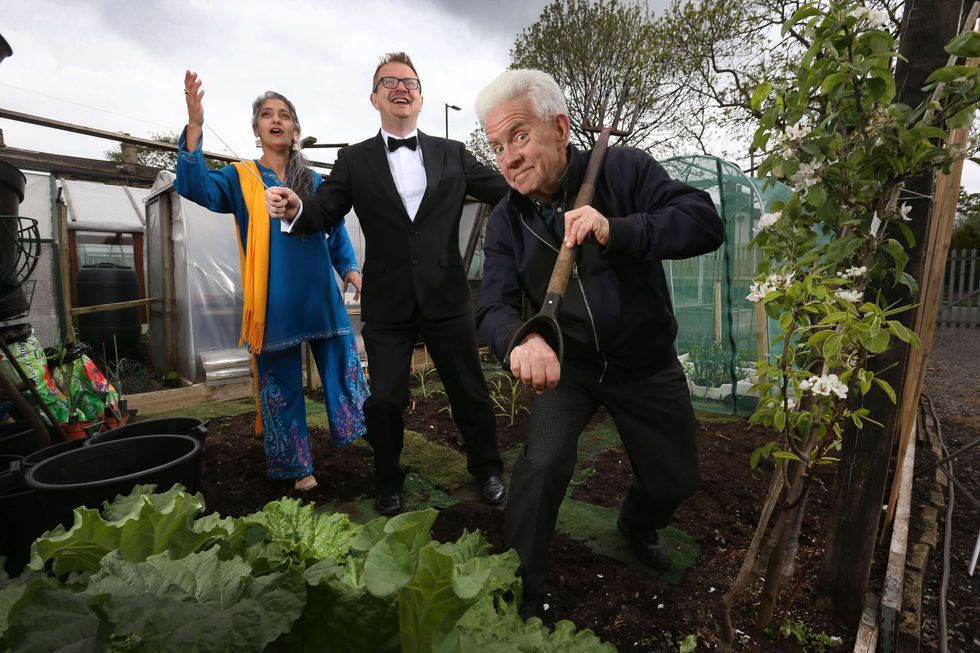 Kauser Mukhtar, Ben Crick and Ian McMillan Lorne Campbell
“The coming together of our families and cultures did not leave us with something that was neither one thing nor the other. It was a beautiful combination of the two,” she said.
“That is very much what this production is trying to achieve.”
Agarwal said being part of a diverse cast was particularly meaningful in an industry where representation remained an important issue.
She welcomed the fact that performers were not confined to roles because of their backgrounds, describing the production as an opportunity for each cast member to contribute something individual.
“It is special to be part of a production with so much diversity across different roles. It is not as though everyone is confined to a particular type of role, and it does not feel tokenistic,” she said.
“It means a lot to us as performers, and I hope it will mean a lot to audiences to see themselves represented on stage.”
The production also aims to reach people who may not usually attend opera, particularly younger audiences and those from south Asian communities. Agarwal said the English-language adaptation and familiar romantic comedy storyline could help audiences connect with the art form without feeling they needed prior knowledge of opera.
“If people think of opera as music they do not recognise, performed in a language they do not understand, about 18th-century aristocrats they cannot relate to, it is understandable that they might feel it is not for them,” she said.
“What this production is showing is how relevant the story remains. It is like a Bollywood film or a period drama that you might watch on television. We are simply telling that story through a different medium.”
The production follows Bradford Opera Festival’s 2023 adaptation of The Barber of Seville, which received a four-star review and was described as “an hilarious operatic treat”.
Agarwal hopes the new production will offer audiences a fresh way to experience Mozart’s music while enjoying a story filled with humour, love and complications. “If you like Bollywood, Downton Abbey or romantic comedies, you will love this production of The Marriage of Figaro,” she said.
“It has everything: drama, chaos, a great deal of heart and love, joy and humour. It is just a great night out.”


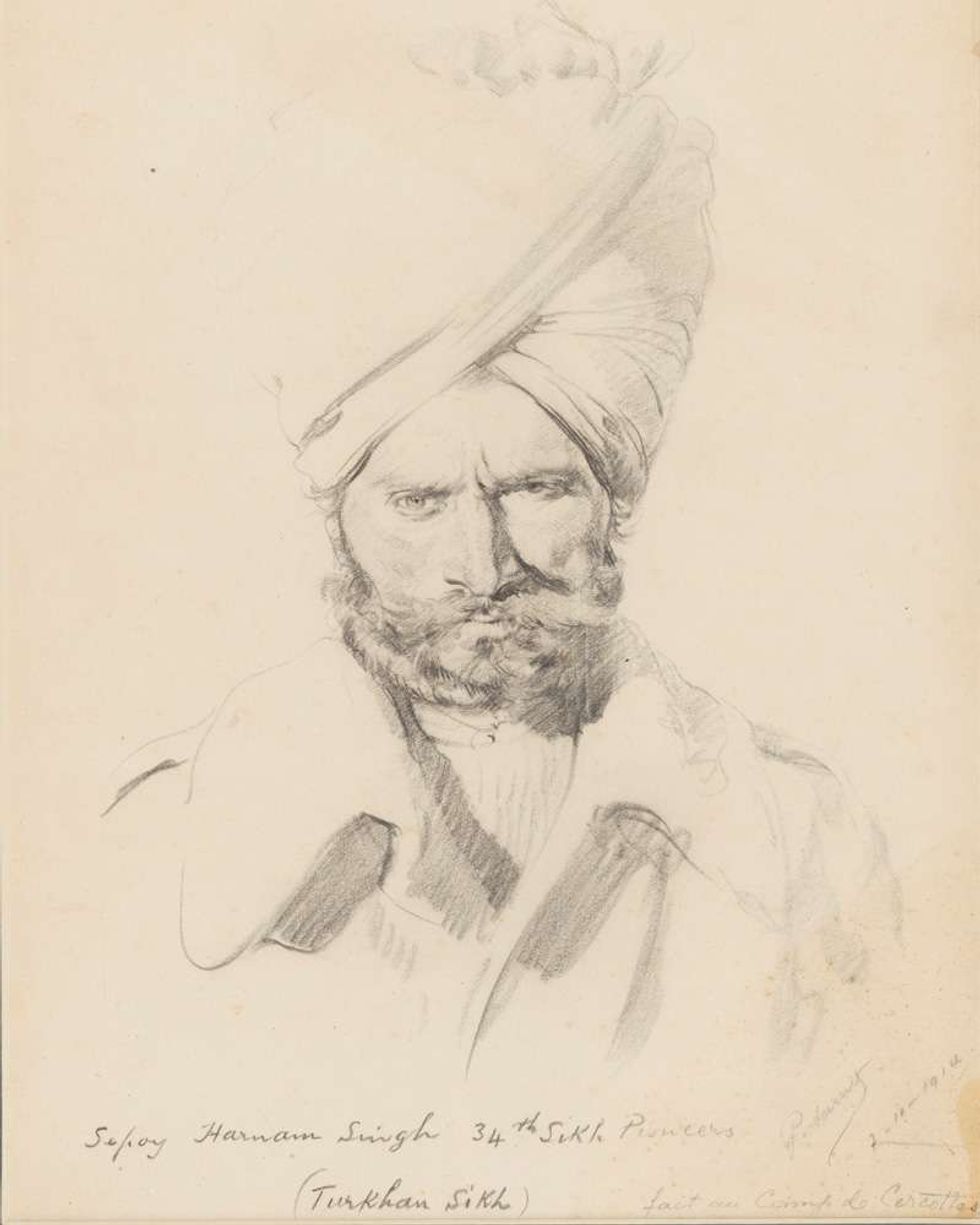 His portrait of Sepoy Harnam SinghThe Estate of Paul Sarrut/National Army Museum
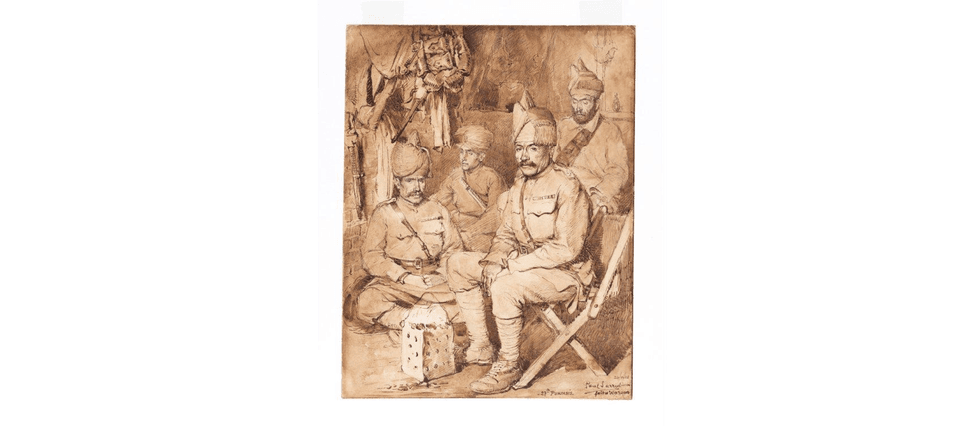 The 27th Punjabis at WasnesThe Estate of Paul Sarrut/National Army Museum




