
By Amit Roy
AS A SUITABLE BOY ended on the BBC on Monday (24), its director, Mira Nair, had a virtual lunch with the Financial Times (FT) from her “book-lined study in Manhattan’s Upper West Side”.
It is from here that she remotely completed editing the six-part adaptation of Vikram Seth’s novel, “collaborating with colleagues across the globe – the UK, Australia, Los Angeles, Budapest (where an orchestra has played the score) and India”.
The interview contained references to Nair’s second husband, “Indian-Ugandan academic Mahmood Mamdani, now a professor at Columbia University”; their son, Zohran K Mamdani, “who has just won the Democratic primary for a New York state assembly seat, defeating a 10-year incumbent”; how she turned down the chance to direct the fourth Harry Potter movie; and her plans to make a film about “one of the greatest modern artists of this world”, Amrita Sher- Gil, “a half-Hungarian, half-Indian painter who was famous in the interwar years, then died tragically at the age of 28”.
Nair spoke of the complexity of Hindu-Muslim relationships that she had tried to put into A Suitable Boy: “I wanted to try to capture India’s beautiful intertwining that has always been our strength, but is now being obliterated.”
She revealed what happened when she “tweeted enthusiastically about Lucknow’s new metro, where the map rotates between English, Hindi and Urdu”.
“I was so excited to see Urdu on a metro station,” Nair told the FT. “I took a picture of it and tweeted it. I said ‘Long Live Lucknow. My first Urdu on the metro!’ That is it. That is what I said. I was trolled by like 400 trolls saying, ‘Mira Nair loves the language of the invaders. Go back to Pakistan.’”



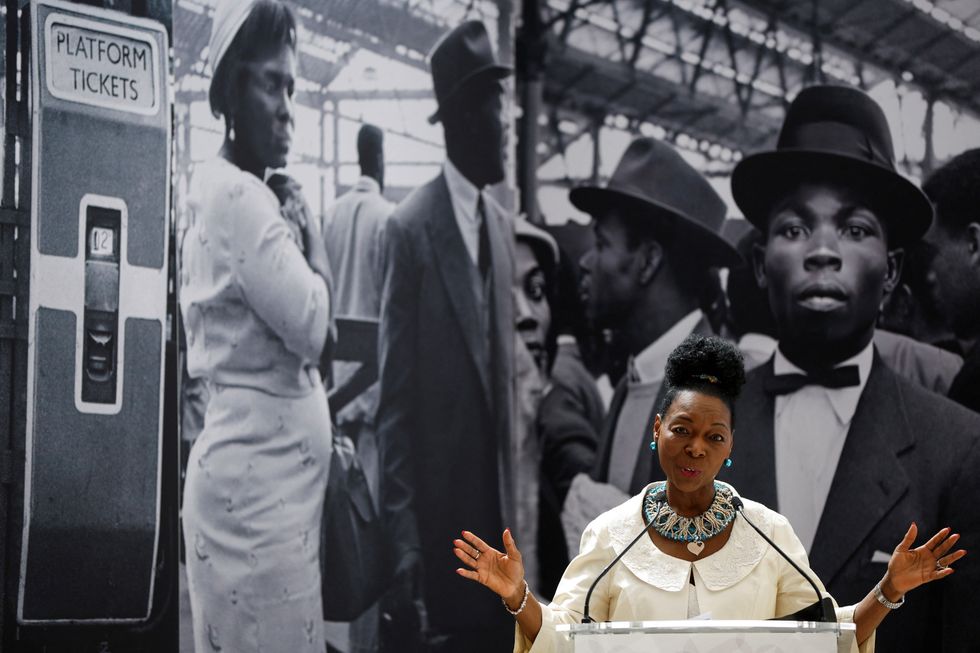 LONDON, ENGLAND - JUNE 22: Baroness Floella Benjamin speaks during the unveiling of the National Windrush Monument at Waterloo Station on June 22, 2022 in London, England. The photograph in the background is by Howard Grey. (Photo by John Sibley - WPA Pool/Getty Images)


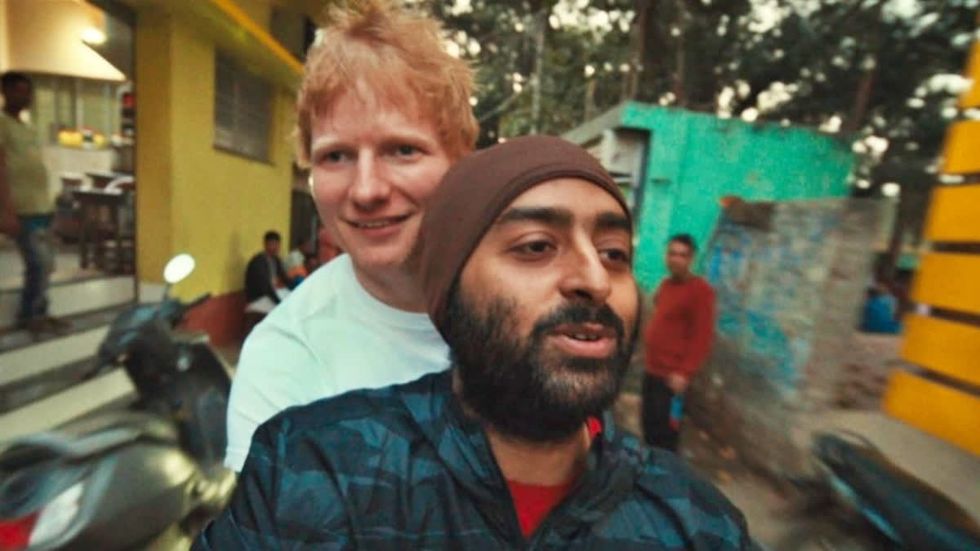 Ed Sheeran and Arijit Singh
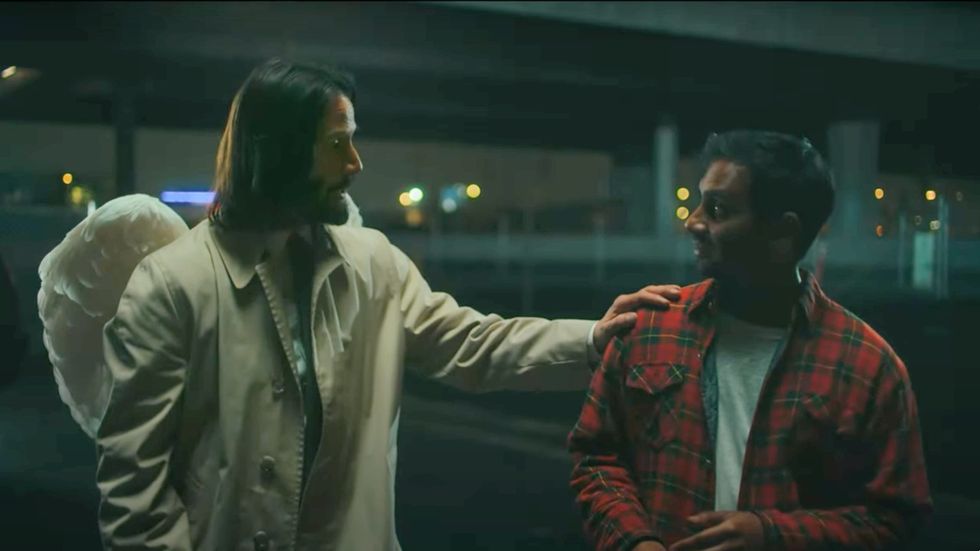 Aziz Ansari’s Hollywood comedy ‘Good Fortune’
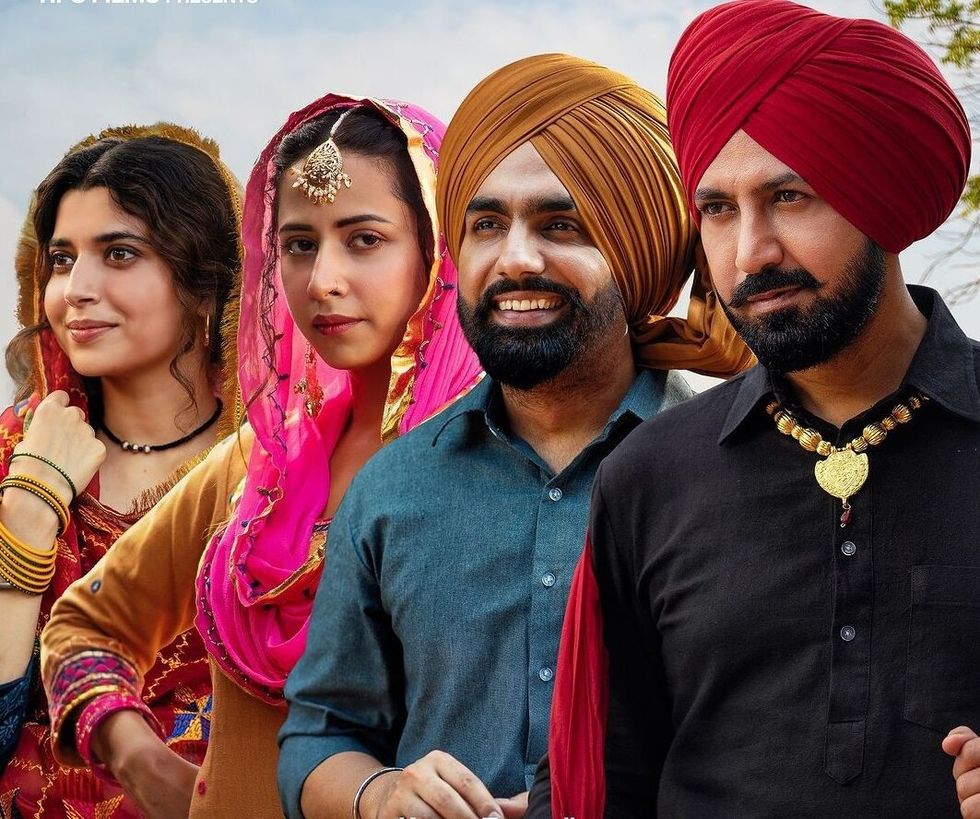 Punjabi cinema’s power-packed star cast returns in ‘Sarbala Ji’
 Mahira Khan
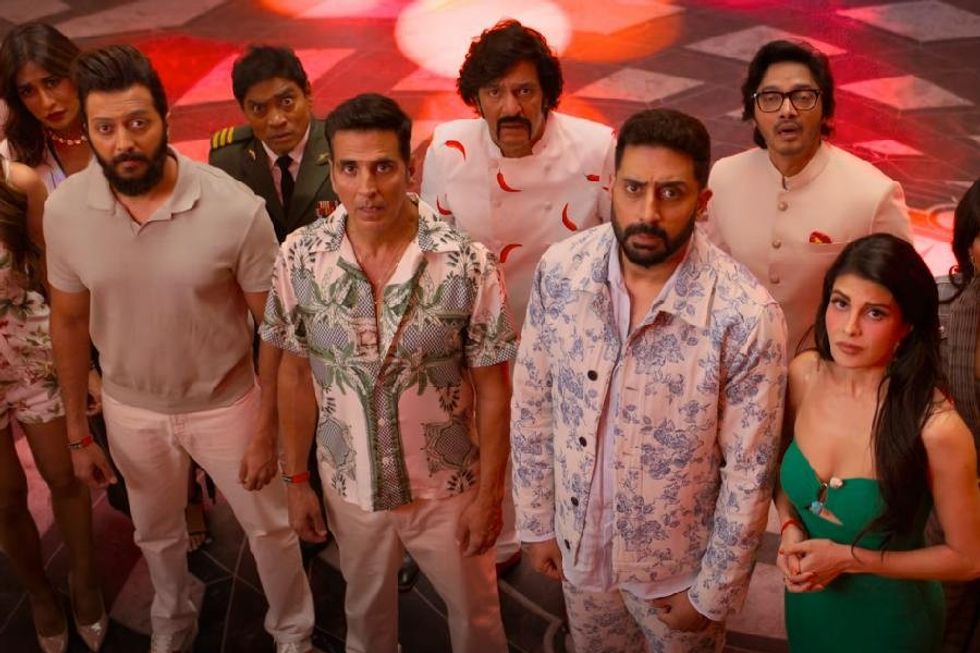 ‘Housefull 5’ proves Bollywood is trolling its own audience
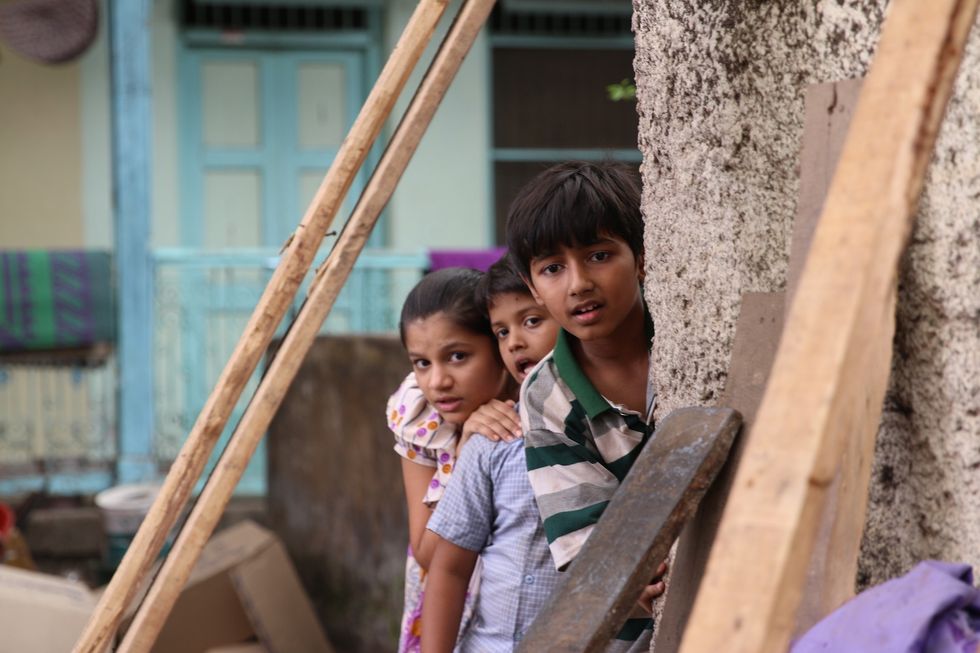 Brilliant indie film ‘Chidiya’
 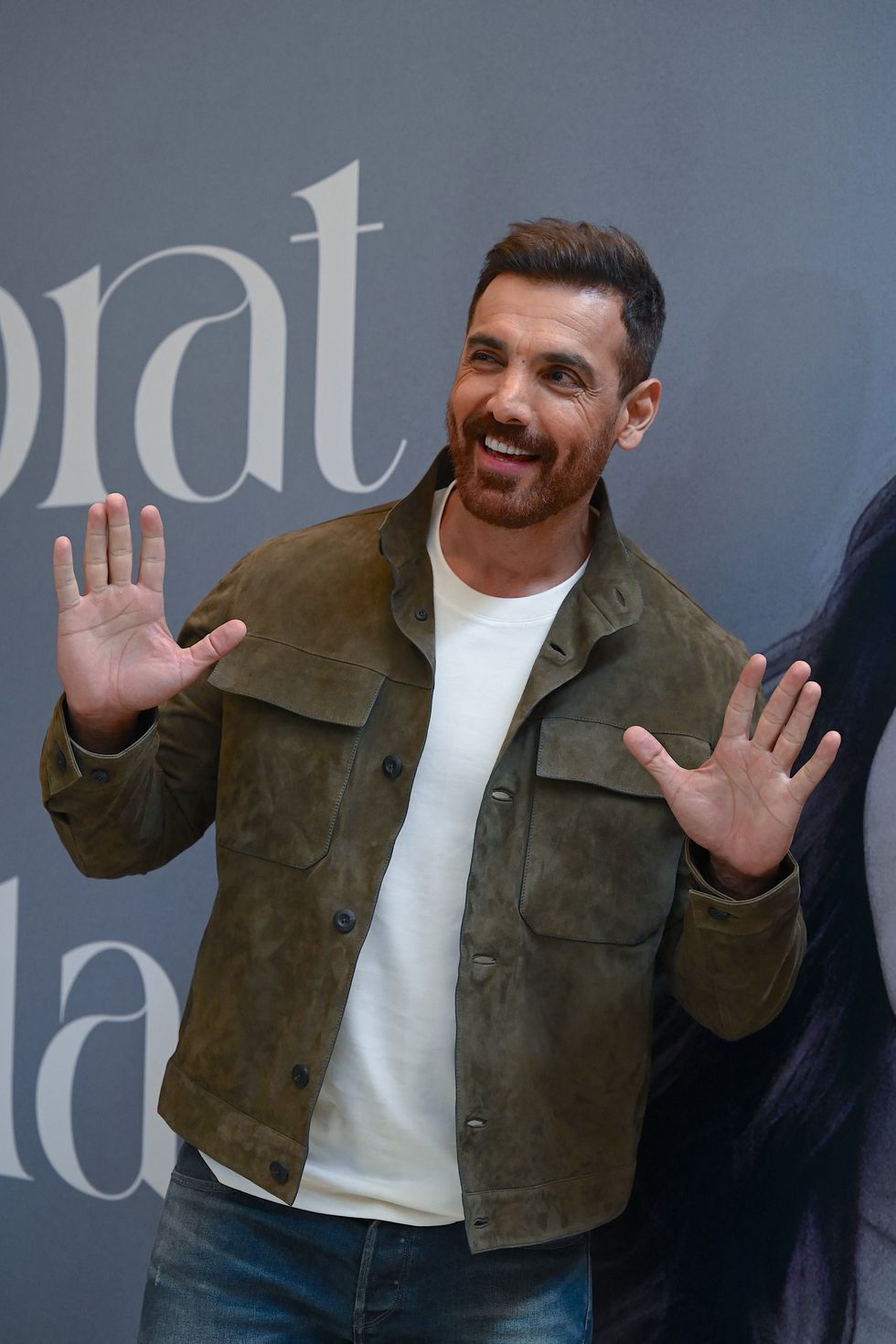 John Abraham
 Hina Khan and her long-term partner Rocky Jaiswal
  Shanaya Kapoor's troubled debut
 Sana Yousuf


 Shraddha Jain
 Arundhati Roy
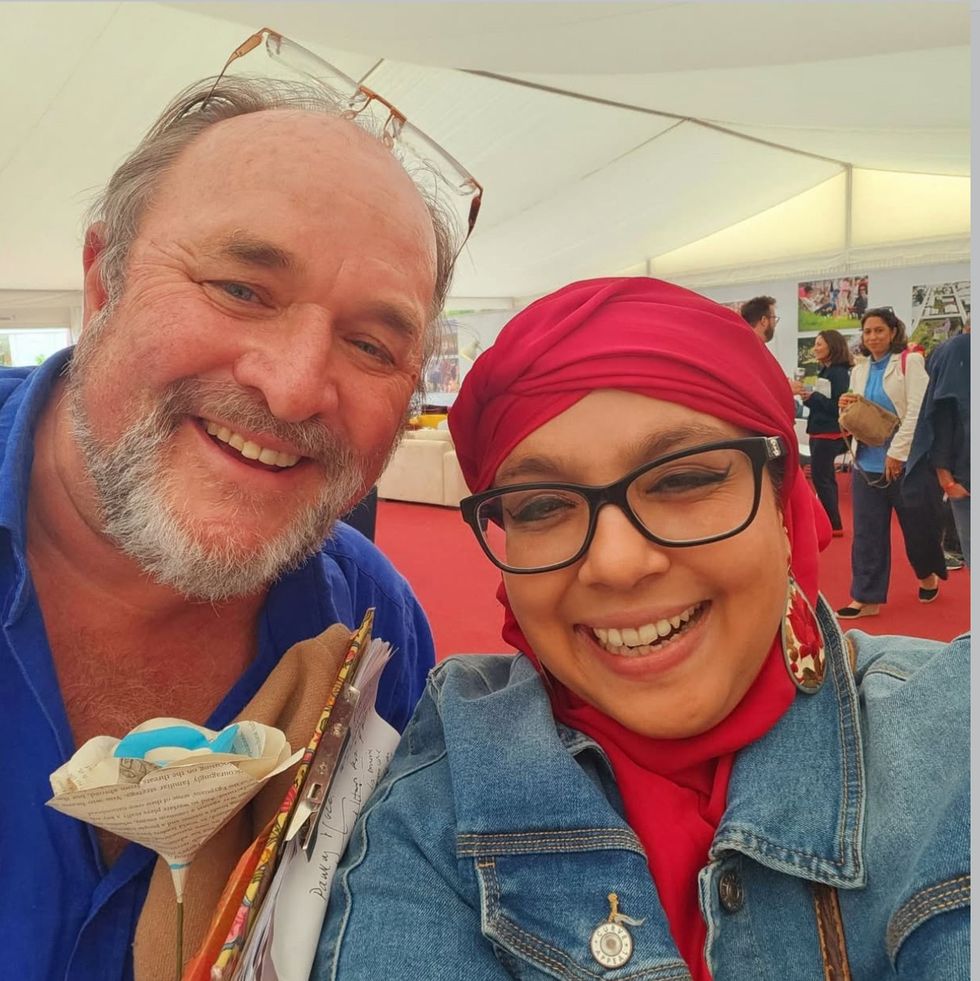 William Dalrymple and Onjali Q Rauf
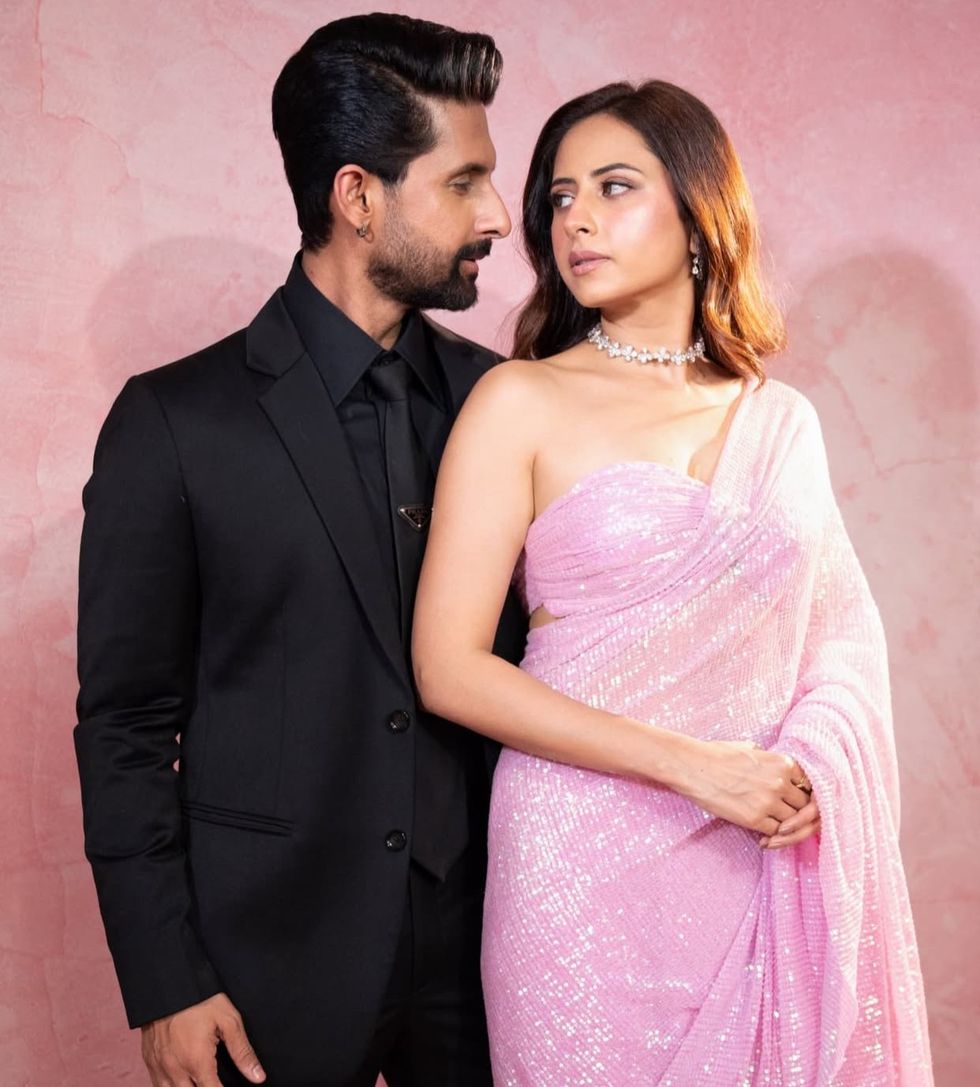 Ravie Dubey and Sargun Mehta
 Money Back Guarantee
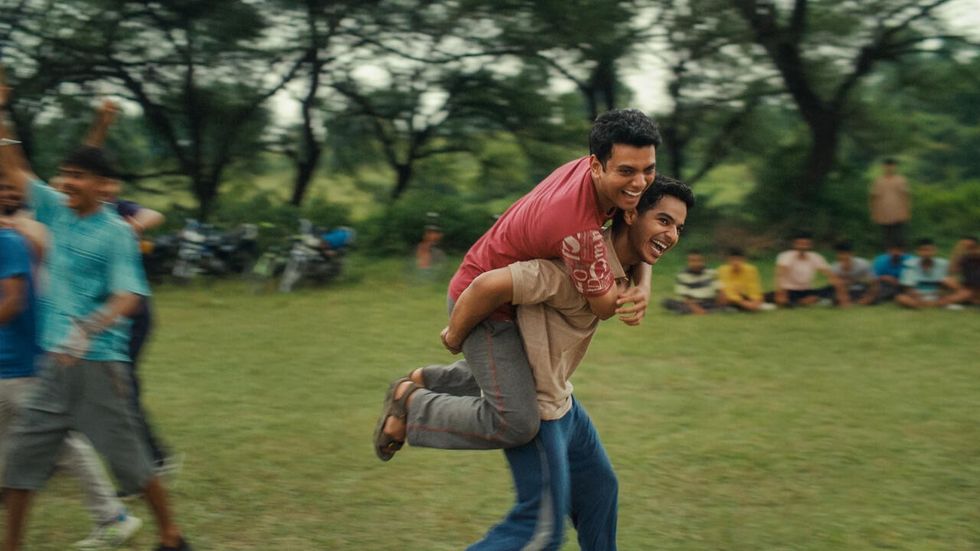 Homebound
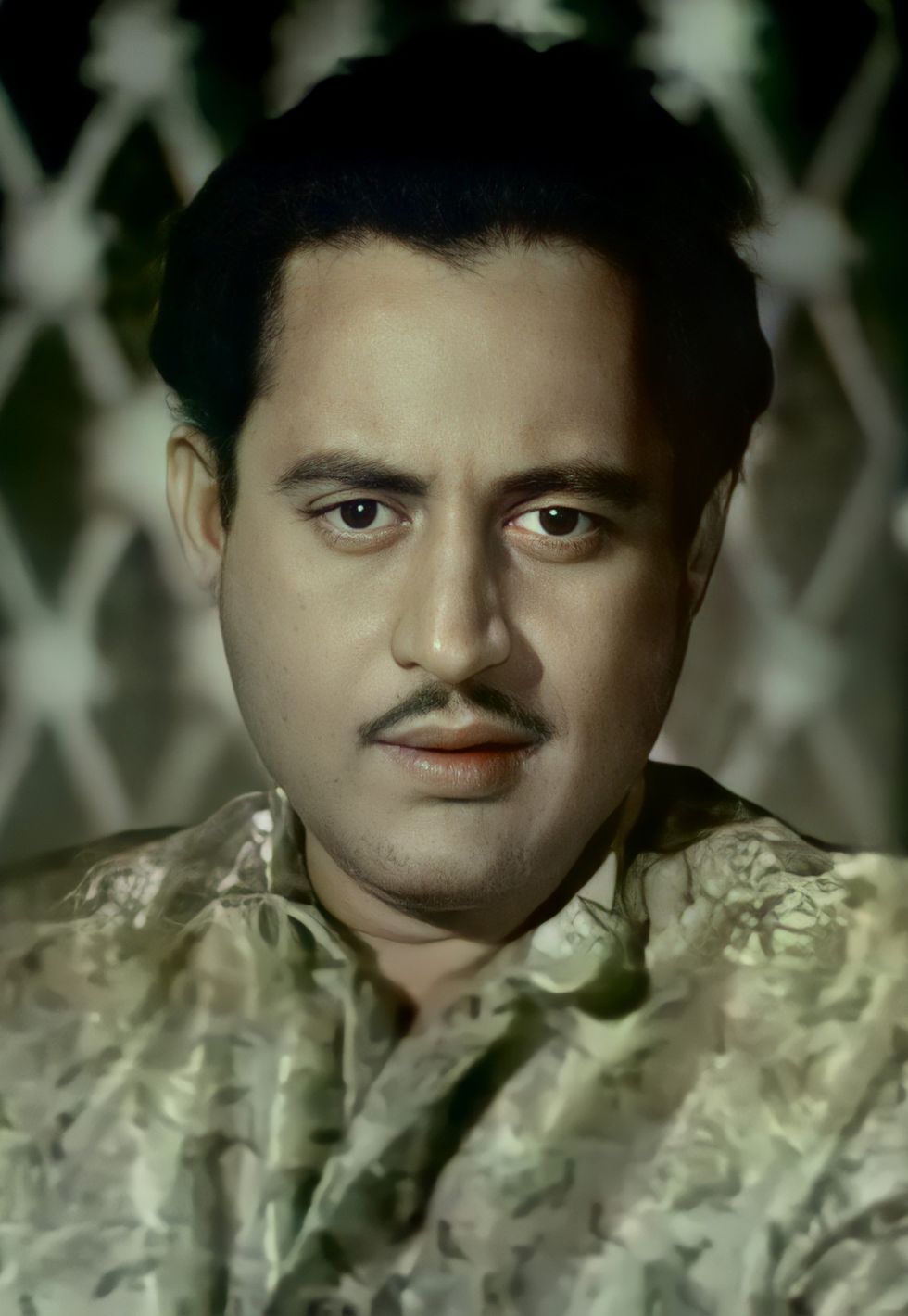 Guru Dutt in Chaudhvin Ka Chand
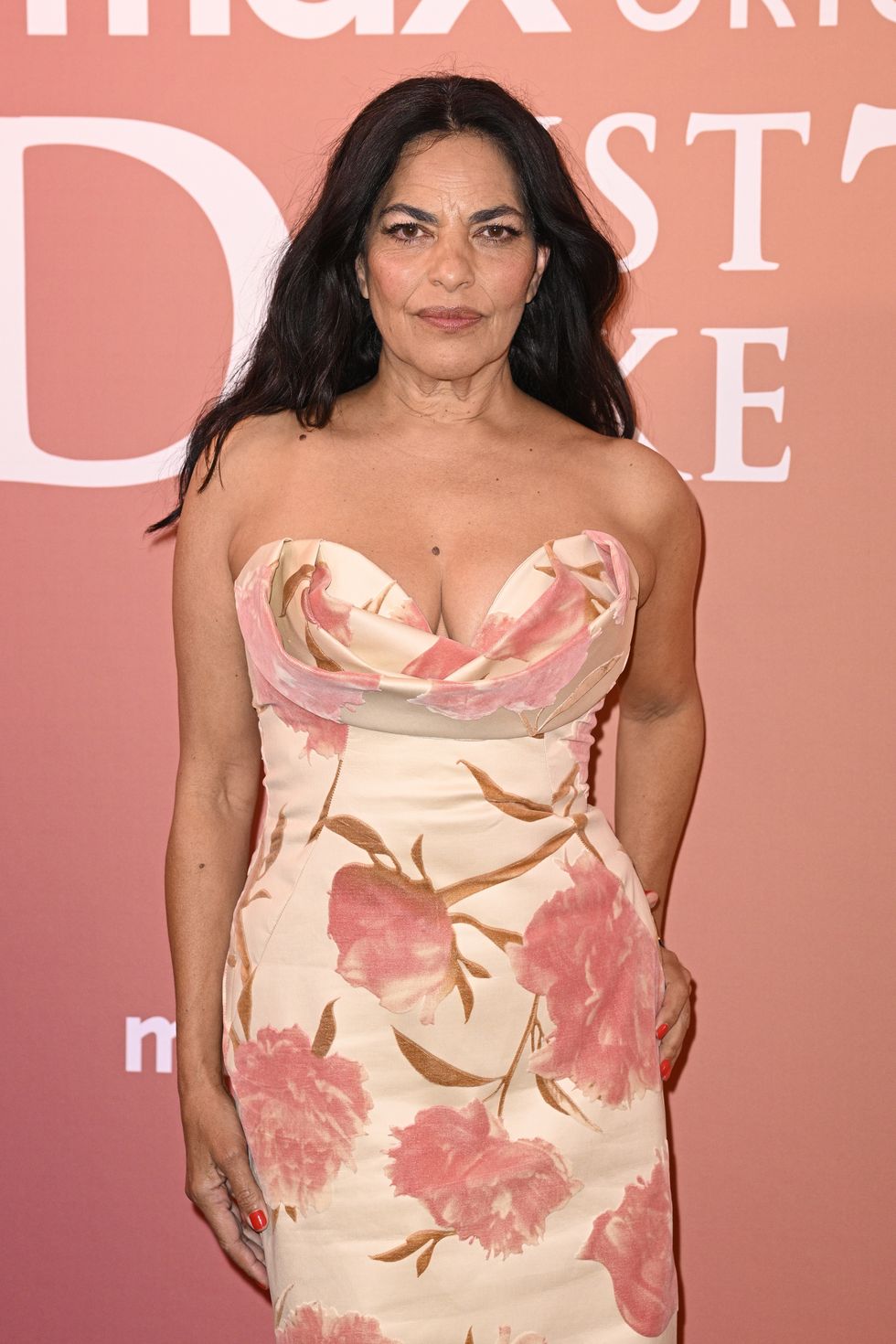 Sarita Choudhury
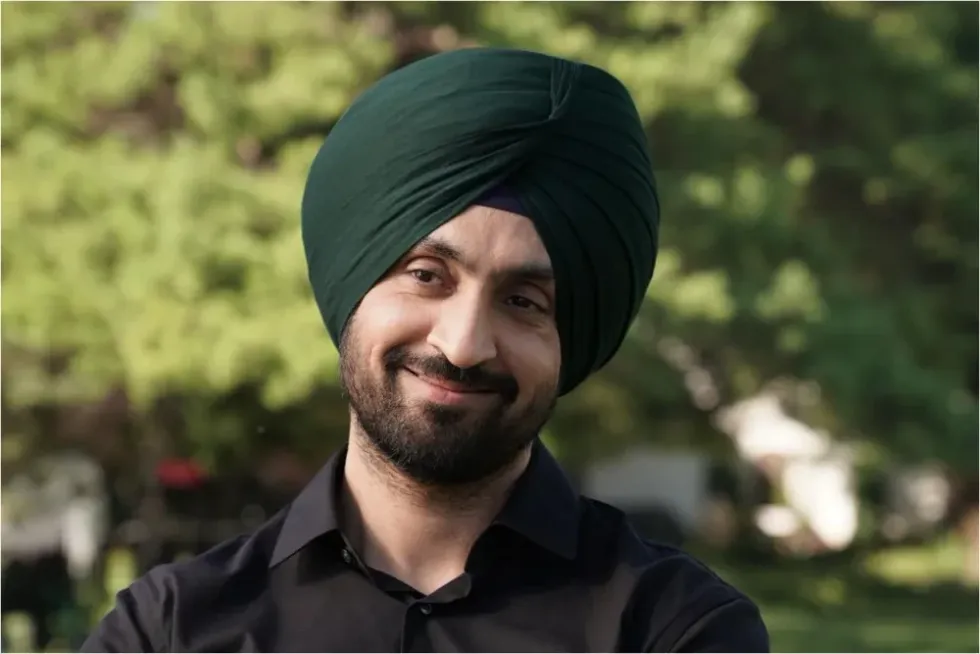 Detective Sherdi