
Highlights
- Mohua Chinappa says advocacy for homemakers and marginalised women drives her work
- She calls unpaid domestic labour a long-ignored injustice in Indian households
- Chinappa describes midlife as a moment of freedom, not decline, for South Asian women
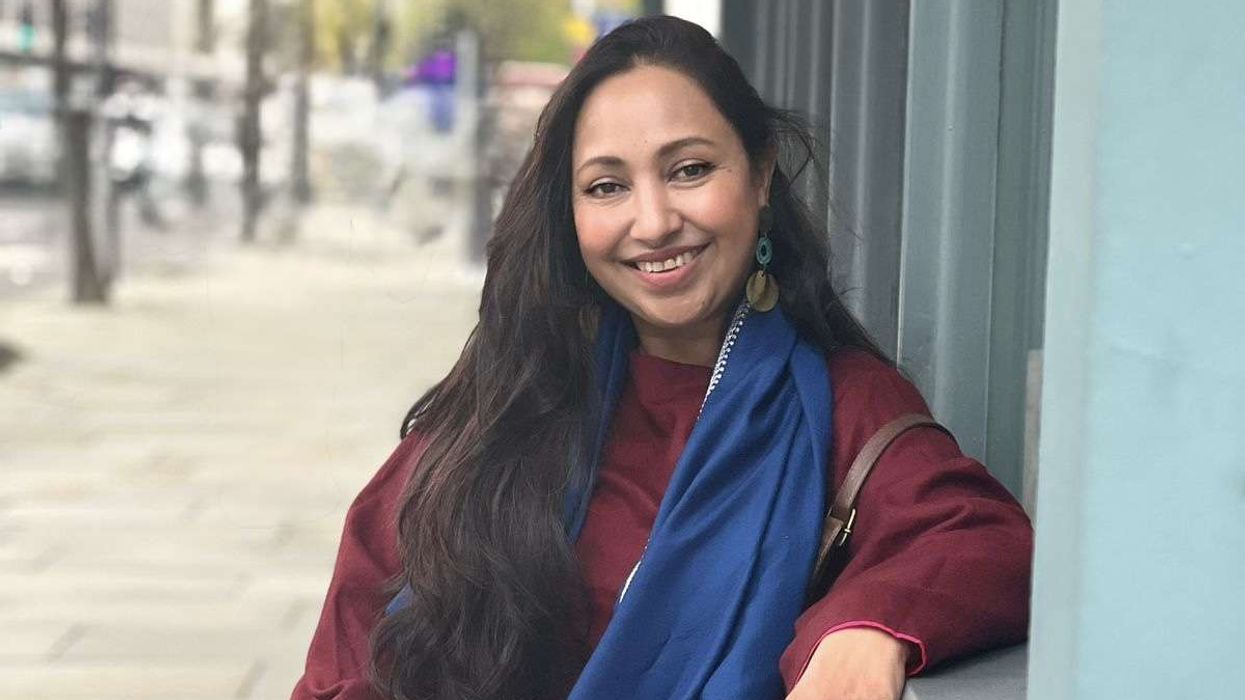
Writer, podcaster and advocate Mohua Chinappa says the stories that matter most to her are those that rarely make it into the spotlight. From homemakers to queer communities, she believes her work is shaped by a single purpose: giving voice to those who have been unheard for far too long.
Speaking in a recent conversation, Chinappa draws directly from her own life to explain why the quiet labour of women, especially homemakers, needs urgent recognition.
‘We are invisible, yet we hold homes together’
Chinappa points out that millions of women spend their lives running households without financial independence or social recognition. She describes homemakers as the “invisible backbone” of families, adding that their contribution is rarely treated as real work.
She links this invisibility to serious consequences, including poor access to healthcare and personal agency. According to her, many women hesitate to spend money on medical care because they do not feel entitled to it. The absence of economic independence, she says, leaves women vulnerable and unheard.
Drawing from her own years as a homemaker, Chinappa recalls the shock of losing a sense of purpose once her child left home. With no income of her own and an identity shaped entirely around caregiving, she says the realisation was deeply unsettling.
Why homemakers are still overlooked
Chinappa believes stereotypes play a major role in why homemakers remain marginalised. She says women who stay at home are often assumed to lack opinions, skills or intelligence beyond domestic work.
She also highlights how midlife becomes a turning point for many women. Once children grow up and responsibilities ease, women begin to reconnect with ambitions they once set aside. For Chinappa, this phase is not a crisis but a reckoning with lost identity and a chance to reclaim it.
What troubles her most, she says, is the absence of financial agency. Economic dependence, she argues, forces women to live with their heads bowed, regardless of how much emotional and physical labour they contribute.
Midlife as freedom, not decline
Contrary to the common narrative, Chinappa describes midlife as a space of possibility. While acknowledging physical changes and health challenges, she says this stage also brings freedom from judgement and a deeper sense of self-acceptance.
She notes that urban women may have more support systems, while rural women often face harsher realities. Still, she believes midlife allows many women to become less fearful and more honest about what they want from life.
With age, she adds, comes mental agility, spiritual awareness and a desire to give back. These qualities, she says, are undervalued in societies that prioritise youth.
- YouTube youtu.be
Rebuilding work and financial independence
Chinappa does not romanticise late reinvention. She openly admits that returning to work after years at home is difficult, especially in a fast-changing, digital world.
After stepping away from senior professional roles, she says she struggled to re-enter the workforce. Technology gaps and age bias became barriers. What helped, she explains, was starting small through writing and podcasting, building consistency rather than chasing status.
She believes the digital economy, despite its challenges, has opened doors for women to start businesses, sell products and create platforms without waiting for institutional approval.
Why support often comes last
When asked about community support, Chinappa is candid. She says she received little encouragement initially, as her decision to rebuild her career disrupted expectations at home.
According to her, support often follows success, not ambition. Before that, women must rely on self-belief. Standing one’s ground, she says, is essential, even when it causes discomfort to others.
Too many voices will say it cannot be done, she adds. The challenge is learning to rise above that noise.
Storytelling as resistance
Chinappa sees storytelling as a quiet but powerful form of change. Through her podcasts and writing, she says she aims to create space for stories that mainstream platforms overlook, from social workers to women speaking openly about menopause and ageing.
She believes vulnerability is not weakness but strength. When one woman shares her story honestly, others realise they are not alone. That recognition, she says, is where change begins.
For Chinappa, the goal is simple but radical: a world where unpaid labour is acknowledged, where women’s midlife transitions are spoken about openly, and where being unseen is no longer accepted as normal.
Her message to women who feel invisible is direct and personal: if she can begin again, anyone can.


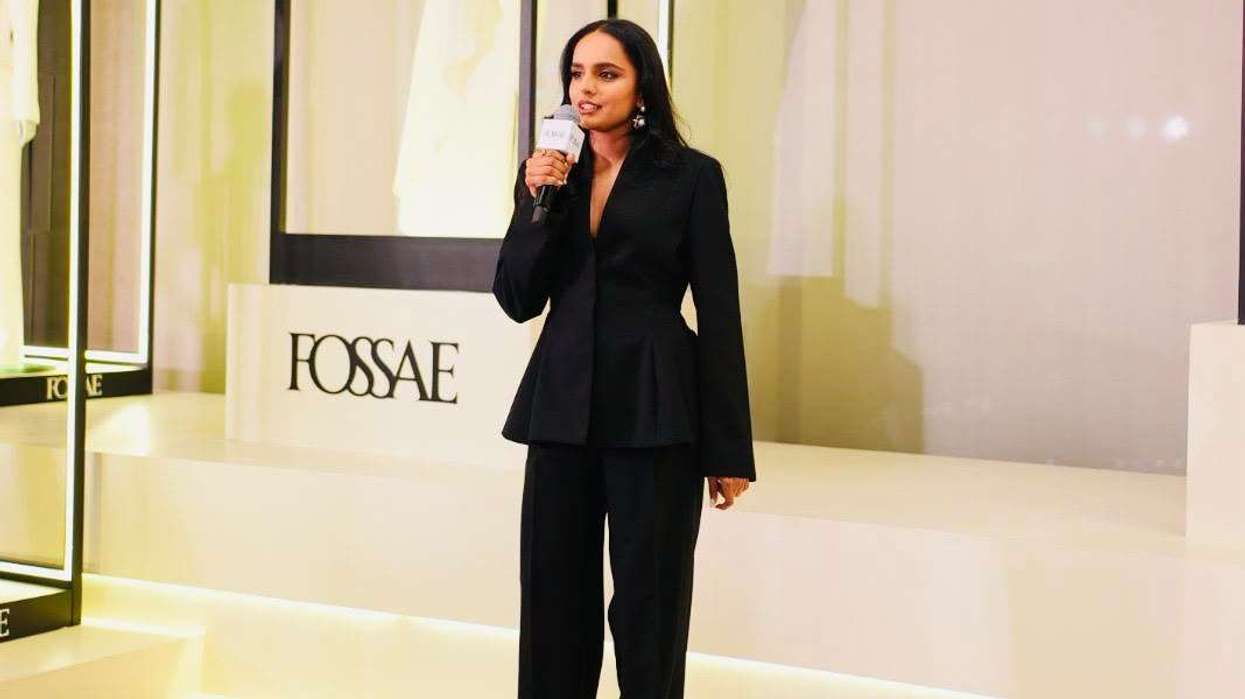
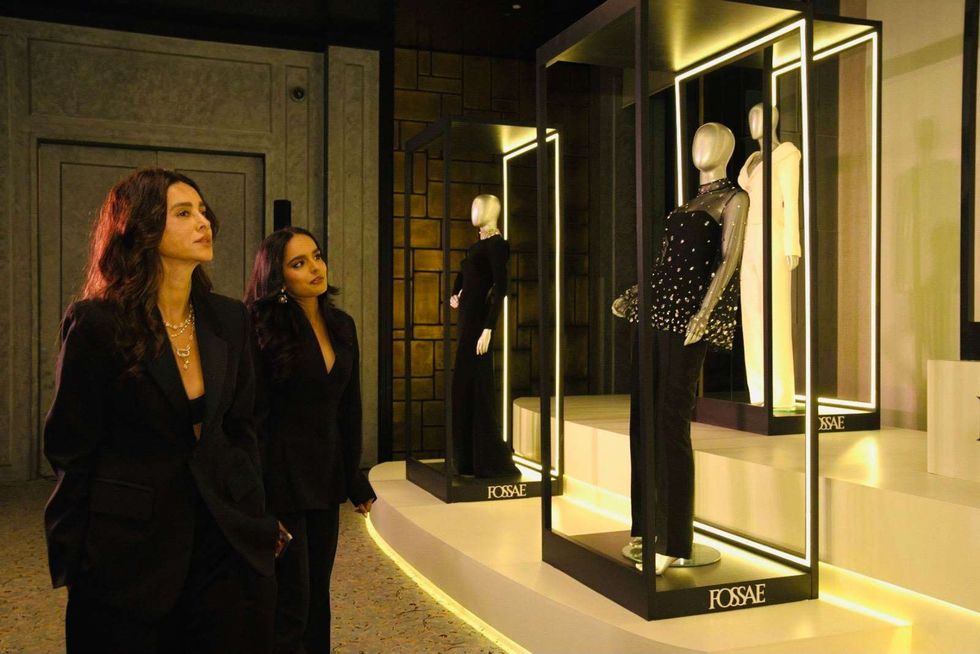 FOSSAE LaunchEastern Eye
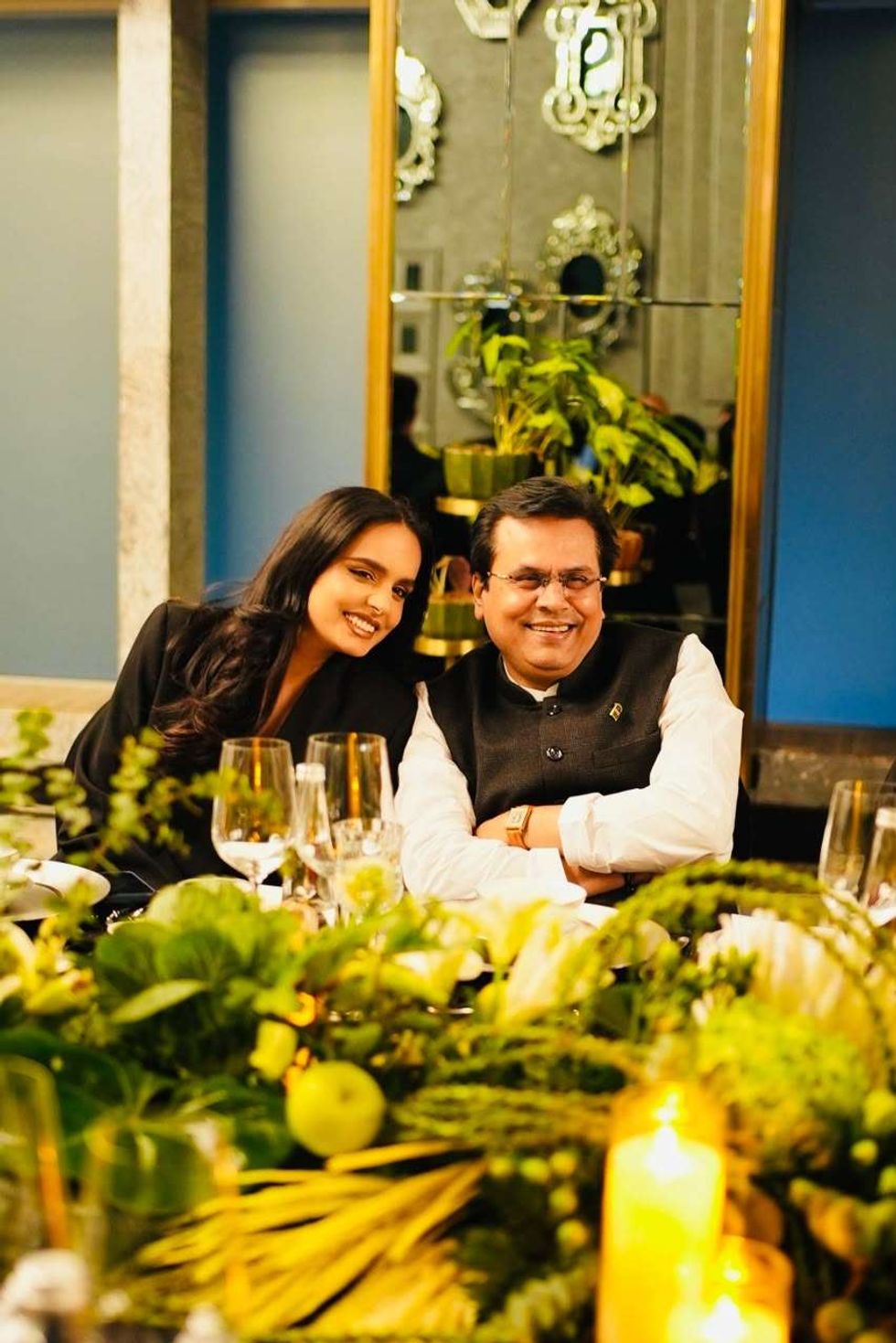 Unnati with father Rakesh K ShuklaEastern Eye
 FOSSAE LaunchEastern Eye
 FOSSAE LaunchEastern Eye