
After a fisherman from Laura, Australia went missing on Saturday afternoon (April 29) while fishing in the Kennedy River at Rinyirru (Lakefield) National Park in Queensland, a search and rescue operation was initiated.
However, according to the police, the operation has now been terminated after human remains were discovered inside two crocodiles on Wednesday (03).
The victim was reported to have gone missing while fishing in the northeastern part of Australia, approximately 250 miles north of Cairns.
The police stated, Kevin Darmody, a 65-year-old man who has been identified in Australian media as the victim, was part of a group that went fishing in far north Queensland on Saturday.
It was reported that the group had to scare off a crocodile to begin their fishing expedition.
Cairns police inspector Mark Henderson also reported that individuals who were fishing with the victim heard him "yell, scream very loudly, followed by a large splashing of water".
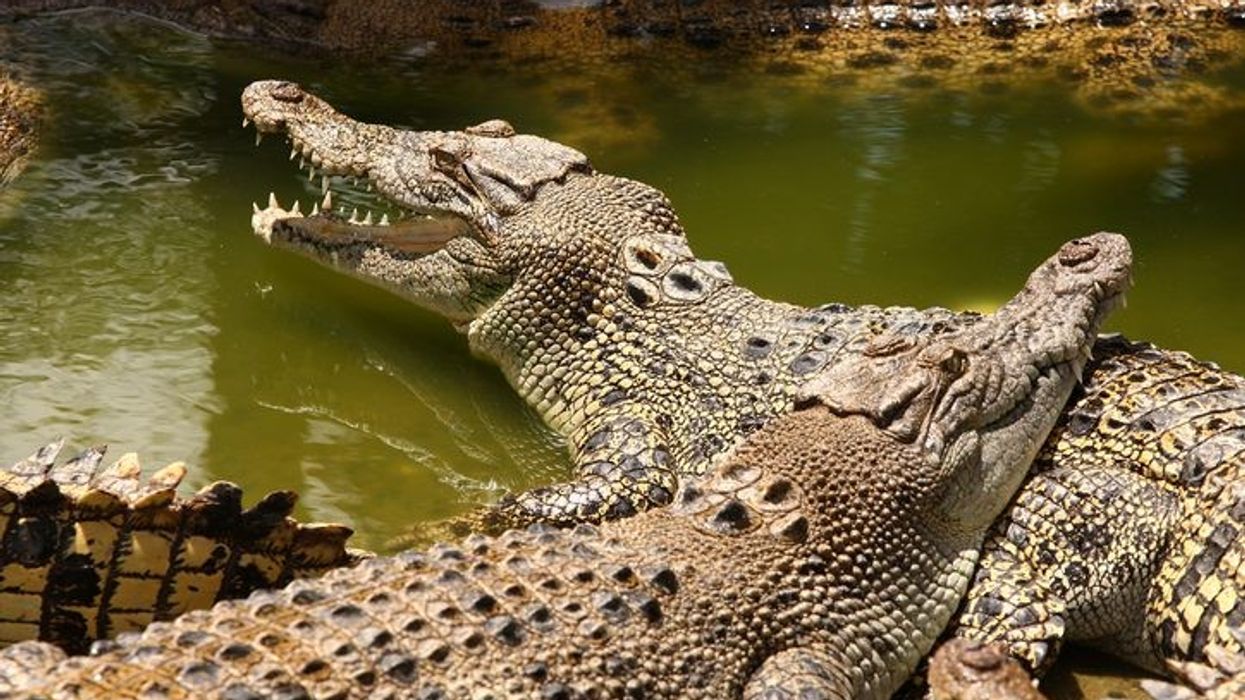
Later, rangers discovered two crocodiles, one measuring around 4.2 meters (14 feet) and the other 2.8 meters (9 feet), upstream from the group's fishing location within Lakefield National Park.
The rangers had to use rifles to shoot and kill the crocodiles.