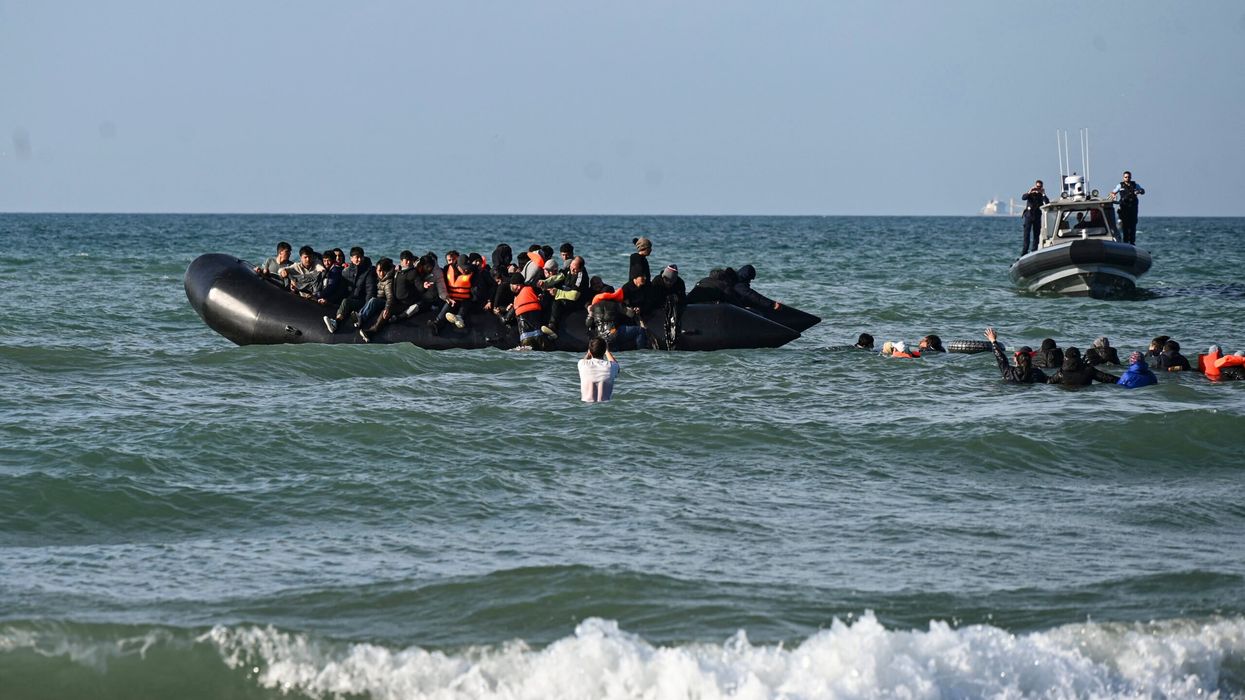

MIGRANTS heading to the UK are being sent via a new, deadly corridor through Libya, run by criminal networks linked to Britain and Iraq.
Despite a crackdown by EU border states, a steady flow of migrants continues to arrive on the shores of northern France, ready to cross the Channel.
The Times has spoken to dozens of migrants on the Italian island of Lampedusa who said they were abducted and forced into slavery in unofficial Libyan compounds. "All of us lost friends in the Libyan prisons, from starvation and beatings," a 21-year-old Ghanaian student said. He was told he would be taken to Britain.
Record 230 migrants cross Channel in single small boat
People smugglers are sending thousands of people on this route because transit countries such as Turkey, Greece and the Balkans are working to disrupt long-established land routes to Europe.
A new flow of trafficked people now travel using "hybrid smuggling", combining legal flights and irregular crossings over the central Mediterranean.
At least 500 Kurdish migrants who paid to reach the UK or Germany have ended up in slavery on this route in the past 12 months, according to local groups and survivors. Their captors are the same Libyan militiamen paid to move migrants through the country.
Omid, 20, from Ranya in Iraq, said he flew to Libya with a hundred men who left the town because of poverty and unrest linked to wars with Iran and Turkey. He said armed and masked men diverted the group to a secret facility where hundreds of people were held "like animals".
Reform UK Reveals Royal Navy Plan for Small Boats
He said about 50 men and boys as young as 14 were made to sleep "on [our own] blood on the floor" for months, with only 100ml of water a day. "There was no air[flow], no windows or light, they withheld food for two to three days at once... There was almost always blood pooled on that floor. When people were injured, they didn't let us get any medical help. Some people were shot," he told The Times.
His captors sent photographs of him to his family demanding ransom, with one message reading: "Pay or I will kill your son. I will take his kidney out and throw it in the ocean." He said he knew of at least one migrant in the facility who had had an organ removed and sold.
GI-TOC estimates that Libya has at least 200 unofficial holding facilities for migrants, run by militia and local smugglers, reported The Times. A United Nations fact-finding mission said the EU "aided and abetted" human rights abuses by funding Libyan authorities to crack down on immigration.
UK introduces powers to confiscate migrants’ phones to target smuggling gangs
Eight hundred people died or went missing on the central Mediterranean route in the first six months of this year, according to the International Organisation for Migration.
As he rushed to board a ferry to mainland Italy, the Ghanaian student said: "No one would choose to go through Libya if they knew how they treat migrants. I hope no more will come that way."

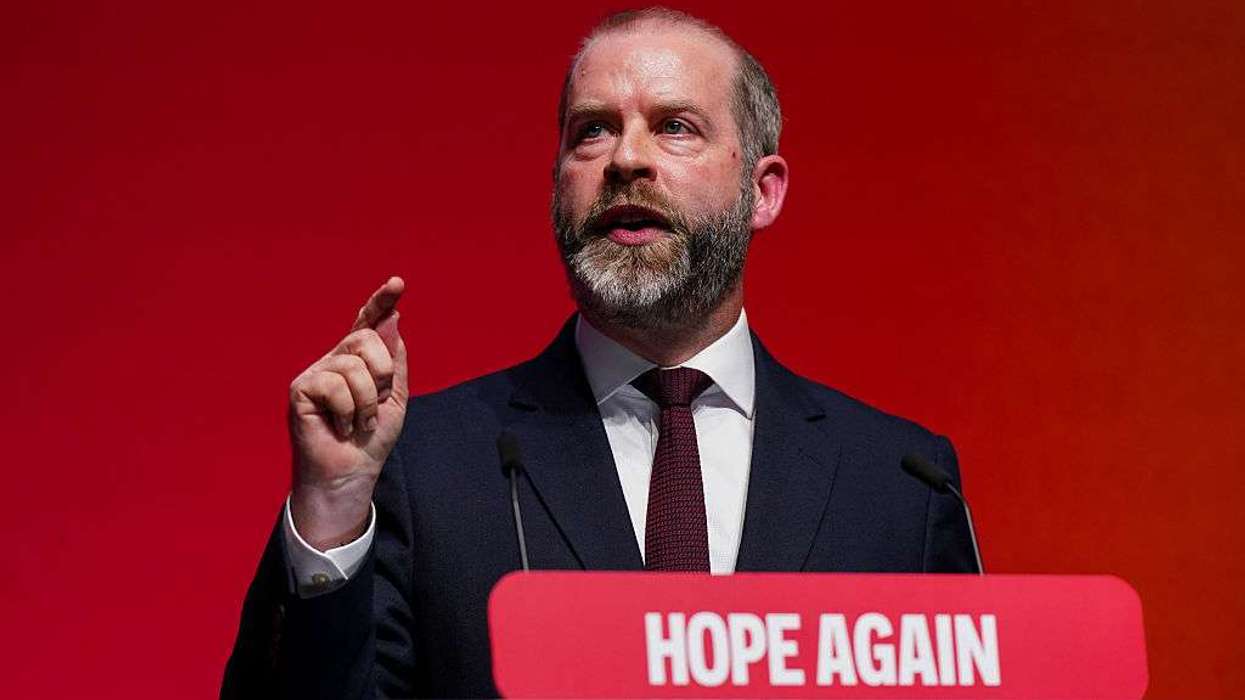
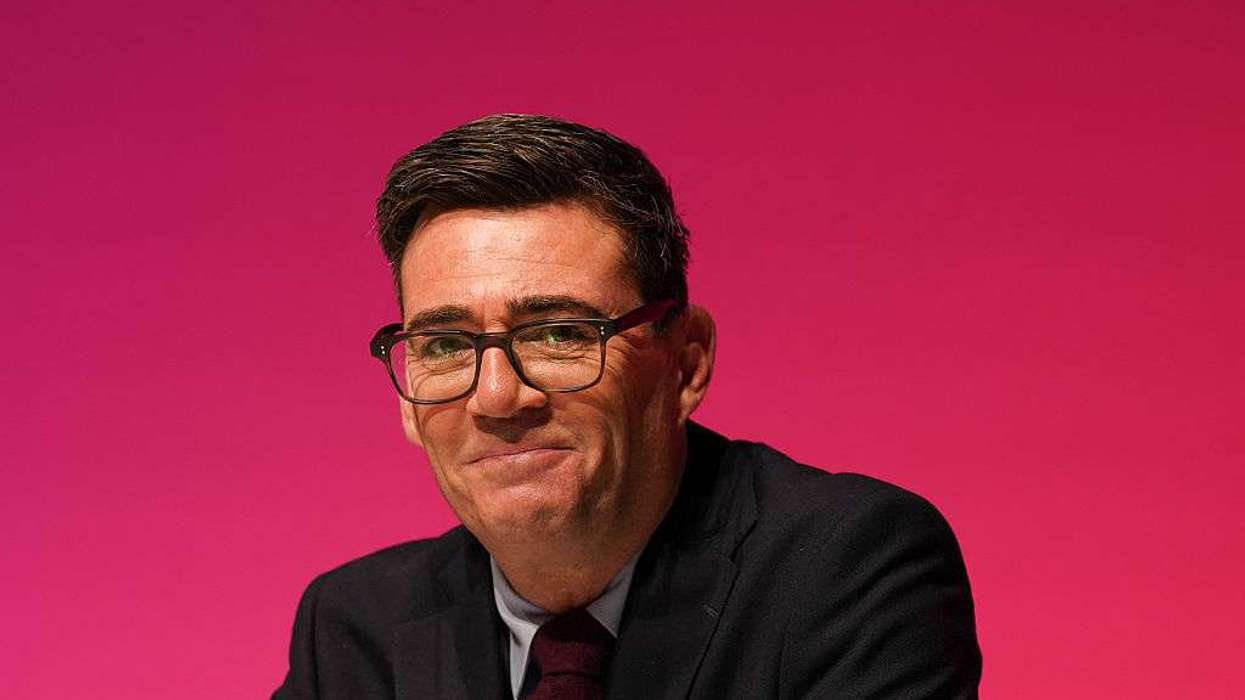 Andy Burnham attends the opening speeches on the first day of the Labour Party Conference at Liverpool Experience Campus on September 27, 2026 in Liverpool, England. (Photo by Ian Forsyth/Getty Images)
