
Highlights
- Keir Starmer faces renewed calls to resign over Mandelson appointment
- Questions raised over failed security vetting and government oversight
- Downing Street removes senior official amid row
- Pressure builds ahead of May elections in England, Scotland and Wales
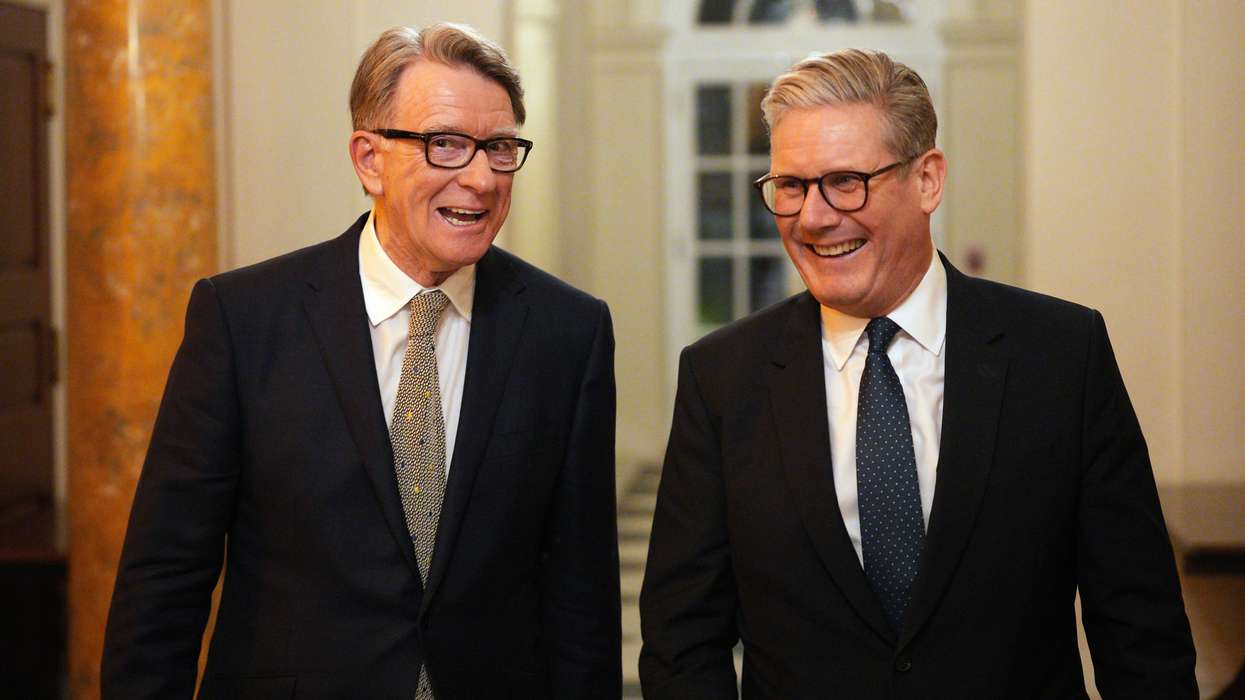
PRIME MINISTER Keir Starmer faced renewed pressure to resign on Friday after new details emerged about the appointment of Peter Mandelson. The controversy resurfaced despite the government removing a senior official over the issue.
The development comes after it was revealed that Mandelson had failed security vetting before being appointed as Britain’s ambassador to the United States, even though he was still given the role. Starmer’s team said the prime minister had not been aware of this at the time. Opposition leaders accused him of misleading parliament and called for his resignation.
The issue adds to pressure on Starmer weeks before local elections in England and regional votes in Scotland and Wales on May 7.
The row follows Mandelson’s resignation as ambassador over his links to Jeffrey Epstein. After that, Starmer had managed to ease criticism for a short period.
ALSO READ: Changes at Number Ten, but Starmer’s future remains uncertain
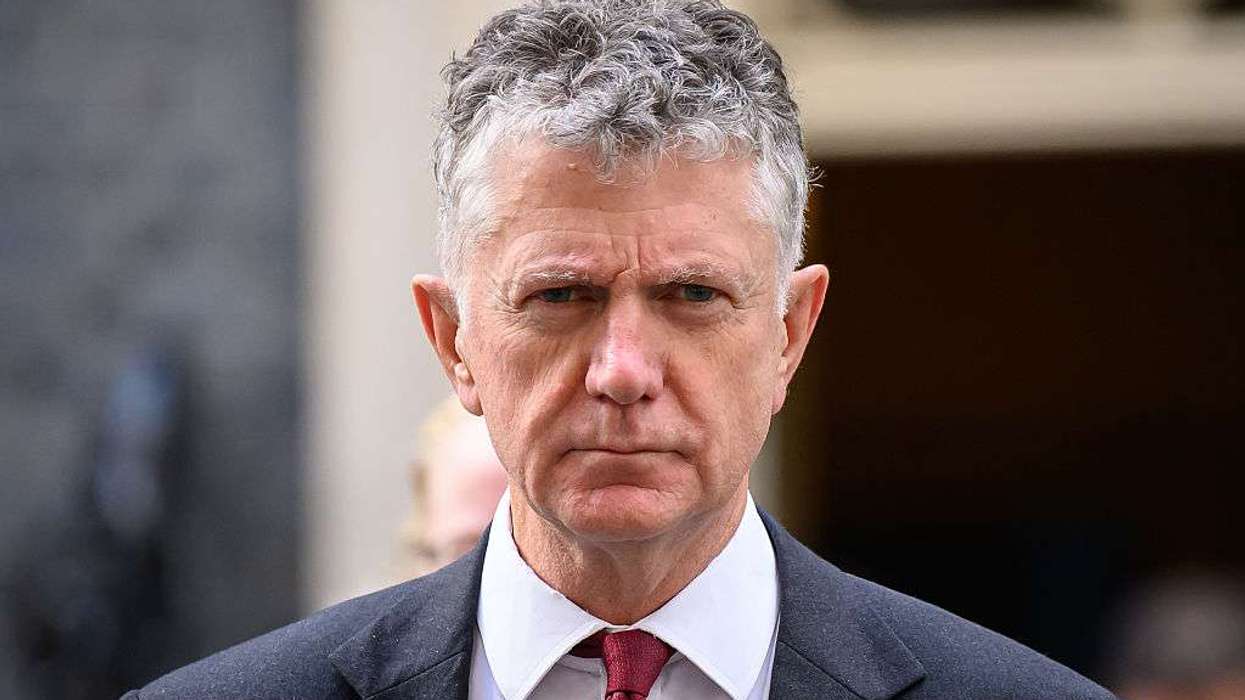
On Thursday, Downing Street dismissed the Foreign Office’s top official, Olly Robbins, in response to the situation. The government said there had been a failure to pass on key information about the vetting process.
Senior minister Darren Jones said Starmer was angry that he had not been informed about the failed vetting.
"I don't think it brings the prime minister's future into question," Jones told LBC radio. He said the system had "undermined the prime minister and the government".
The government’s position that Starmer only became aware of the issue this week has raised questions about how decisions are handled. Mandelson’s appointment had been presented by Starmer in 2024 as a major move.
One Labour lawmaker, speaking on condition of anonymity, said it was unlikely the party would act against Starmer now, but called the situation "a gift that keeps on giving". The lawmaker said it would keep the prime minister under pressure before the elections.
Another Labour lawmaker said David Lammy, who was foreign secretary at the time of the vetting, should resign.
However, George Foulkes urged restraint.
"Mistakes have been made," he said, adding that it would be reckless to move against Starmer.
"The Mandelson thing is not the major issue affecting people today who are worried about so many other things,” he told Reuters. "We need to keep things in perspective when there are so many issues he has been dealing with well."
The main question raised by opposition parties is whether Starmer misled parliament when he said Mandelson had completed security vetting and that no concerns had been raised.
A Foreign Office letter sent in January last year offering Mandelson the role, and released by parliament last month, stated: "Your security clearance has been confirmed by Vetting Unit and is valid until 29 January 2030."
Mandelson was dismissed in September after documents published in the United States detailed his links with Epstein.
He is under police investigation on suspicion of leaking government documents to Epstein. He has not commented publicly on the allegations. A lawyer for Mandelson did not comment on Thursday about the vetting process.
Kemi Badenoch criticised Starmer’s response.
"The story does not stack up. The prime minister is taking us for fools," she told BBC Radio 4.
Starmer has apologised earlier for appointing Mandelson. He accused the former ambassador of a "litany of deceit" over his links to Epstein and said documents on the appointment process would be released.