
- The dispute centres on plans for a voluntary four-day working week.
- TfL and the RMT failed to reach an agreement despite last-minute talks.
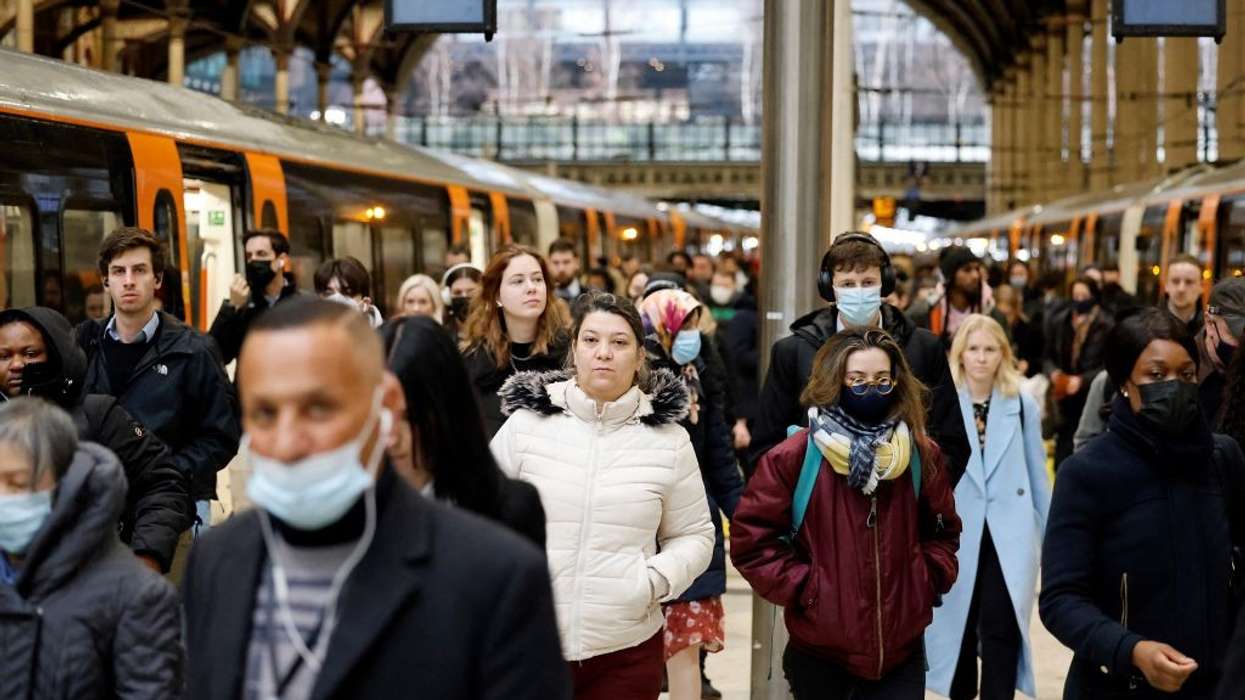
- Commuters face disruption as Tube drivers walk out in a dispute over working patterns.
London commuters faced major travel disruption on June 2 after London Underground drivers began the first of two planned strikes, with last-minute talks between Transport for London (TfL) and the Rail, Maritime and Transport (RMT) union failing to break a deadlock over proposed changes to working patterns.
The London Underground strike, which centres on a proposed four-day working week for Tube drivers, is expected to affect services across large parts of the network. A second 24-hour walkout is scheduled for June 4, raising the prospect of further disruption for passengers travelling across the capital.
Four-day week at heart of dispute
The disagreement stems from TfL's proposal to introduce a voluntary four-day working week. Under the plan, drivers choosing to take part would work slightly longer shifts but fewer hours overall during the week.
TfL argues the proposal would offer greater flexibility and improved work-life balance while remaining entirely optional. The transport authority has repeatedly stressed that drivers who prefer existing arrangements would be able to continue working a five-day week.
However, the RMT says its members remain concerned about the possible impact of longer shifts on fatigue, flexibility and safety. The union argues that Tube driving is a safety-critical role and says more assurances are needed before any changes are introduced.
The two sides held several hours of talks through the conciliation service Acas on June 1, but no agreement emerged.
The RMT said TfL had failed to address what it described as deeply held concerns over shift lengths and driver wellbeing. The union added that it remained open to further discussions, but confirmed the strike action would proceed, as quoted in a news report.
Network disruption spreads across capital
The strike officially began shortly after midnight on June 2. TfL said it would attempt to operate around half of normal services, although passengers were warned to expect significant disruption throughout the day.
The Circle and Piccadilly lines were expected to remain closed, while parts of the Metropolitan and Central lines were set to be suspended. Very few services were expected to run before 6.30am or after 9pm.
TfL described the continuation of the strike as "bitterly disappointing", reportedly saying it had repeatedly assured the union that participation in the four-day week scheme would remain voluntary.
While the Elizabeth line, London Overground, Docklands Light Railway, tram services and buses are continuing to operate, they are expected to be considerably busier as commuters look for alternative routes.
The dispute has already caused disruption earlier this year. Previous strike dates planned for May were suspended to allow further negotiations, raising hopes that an agreement could be reached.
The proposal has already been accepted by members of the Aslef union, which represents a significant proportion of Tube drivers. The union reportedly viewed the offer as a way to provide drivers with more time off while maintaining existing pay arrangements.
For now, however, the disagreement between TfL and the RMT remains unresolved. With another strike scheduled for June 4 and no breakthrough in sight, commuters may be bracing for further travel disruption across London.