
AN INDEPENDENT tribunal has quashed a ruling made against directors at four pharmaceutical companies over allegations of entering into a non-competitive agreement over anti-nausea drug, with investigators stating there were “material errors” made in the case.
Two British Asian-owned companies, Lexon UK and Medreich, as well Alliance Pharma and Focus Pharmaceuticals were wrongfully accused in a case that caused financial and reputational damage to those involved.
When the allegation was initially raised in 2019, Lexon UK founder Nitin Sodha was chairman of the National Pharmacy Association (NPA) but stepped aside from his role as he was also the director and shareholder of Lexon UK.
A family source told Eastern Eye that Sodha wanted the NPA to continue its focus on supporting its members and securing a sustainable future for independent pharmacies and not be distracted by CMA allegations.
The CMA spent millions of pounds in legal fees, taxpayers’ money in order to pursue a claim that wasn’t appropriate. The parties subject to these allegations may be eligible to pursue a cost claim from the CMA, the source added.
The CMA claimed that from 2013 to 2018, manufacturers Alliance Pharma came to an agreement with Focus Pharmaceuticals, Medreich and Lexon UK that the trio would not get a licence to sell the same product in exchange for a profit share. As a result, the price of the drug prochlorperazine, an antinausea medicine often taken by chemotherapy patients, rose by 700 per cent – costing the NHS millions.
However, on Friday (25), the CMA quashed the £30 million fine against the four organisations and withdrew the disqualification orders against the directors who are no longer implicated in any wrongdoing.
“Having considered all the evidence and all of the submissions made by the parties, we find that Alliance and Lexon did not enter into the MEA. There was no such agreement,” said the Competition Appeal Tribunal (CAT).
“As we have found that there is no MEA and accordingly there was no breach of competition law, the issue of penalty does not arise.”
The affected directors include Pritesh Sonpal (Lexon UK), Peter Butterfield and John Dawson (Alliance Pharmaceuticals), Mark Cresswell, Roland Brown and Graeme Duncan (Focus Pharmaceuticals) and Debangshu Dey (Medreich).
Sonpal is part of a family business that had its beginning in the pharmacy sector when his uncle Nitin Sodha, who came to the UK from Kenya as a teenager, set up Knights Pharmacy from a porta-cabin in Redditch in 1984.
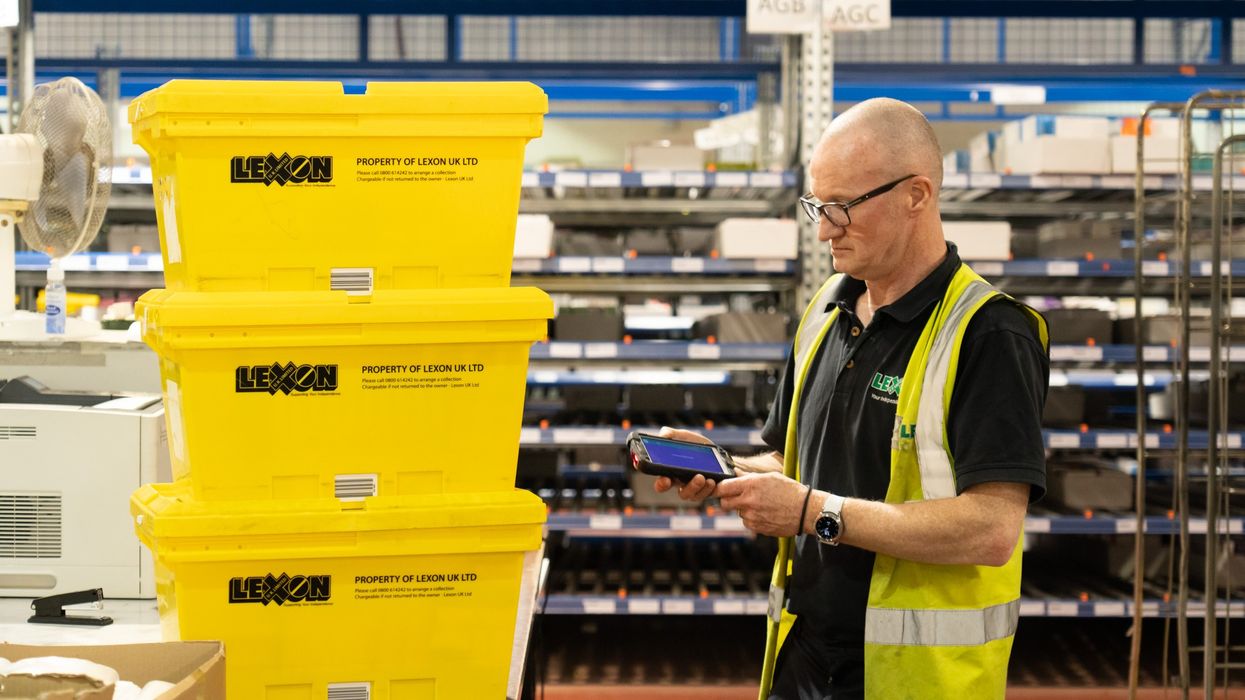
Sodha, along with his brothers Pankaj and Anup and nephew (Sonpal), set up Lexon UK in 1995 and grew it into one the country’s largest shortline wholesalers based in the Midlands.
He left the company in April last year after it was sold to the Bestway Group, which also runs Well Pharmacy.
Lexon serves 3,000 retail pharmacy customers as well as community pharmacies across the Midlands, northwest and the northeast of England.
It sold 42 community pharmacies (currently trading as Knights Pharmacy) to Well Pharmacy, but retains 50 branches.



