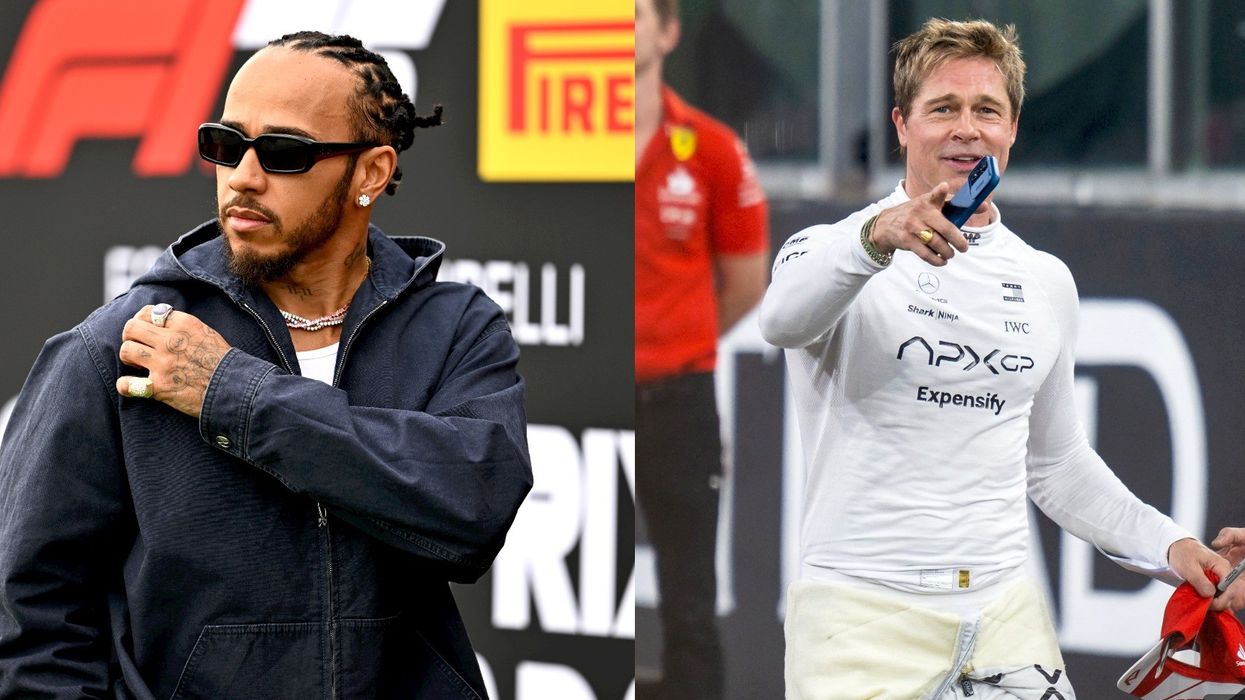

Brad Pitt’s upcoming Formula One film, titled F1, owes much of its realism and racing soul to none other than seven-time world champion Lewis Hamilton. According to director Joseph Kosinski, the film wouldn’t exist in its current form without Hamilton’s hands-on involvement, from the first pitch to the final details.
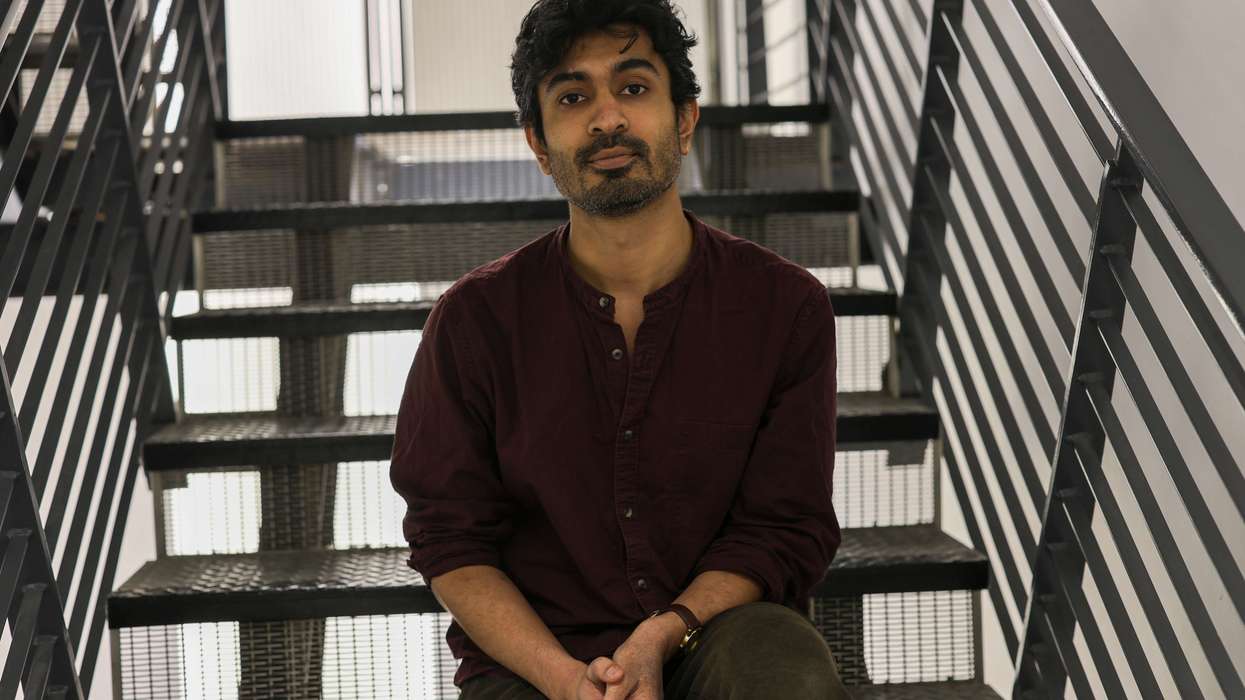
Kosinski, best known for Top Gun: Maverick, shared that Hamilton was the first person he contacted when the project was just an idea. An email led to a partnership, and Hamilton came on board not only as an executive producer but as a consultant whose lived experience shaped everything from the screenplay to on-track movements.
Every detail came from someone who’s lived it
Set for global release on 25 June (27 June in North America), F1 was filmed across real Grand Prix weekends with full support from Formula One’s organisers. Pitt plays Sonny Hayes, a seasoned driver making a surprise return to the circuit, while Damson Idris stars as his rookie teammate.
Hamilton’s role, however, extended far beyond a name on the credits. He worked closely with the filmmakers to ensure the racing looked and felt accurate, including giving track-specific advice. For instance, he told Kosinski that if Pitt’s character were to pull aside under a blue flag, turn six in Hungary would be the most realistic spot to do so. That level of detail could only come from someone who knows the sport inside out.
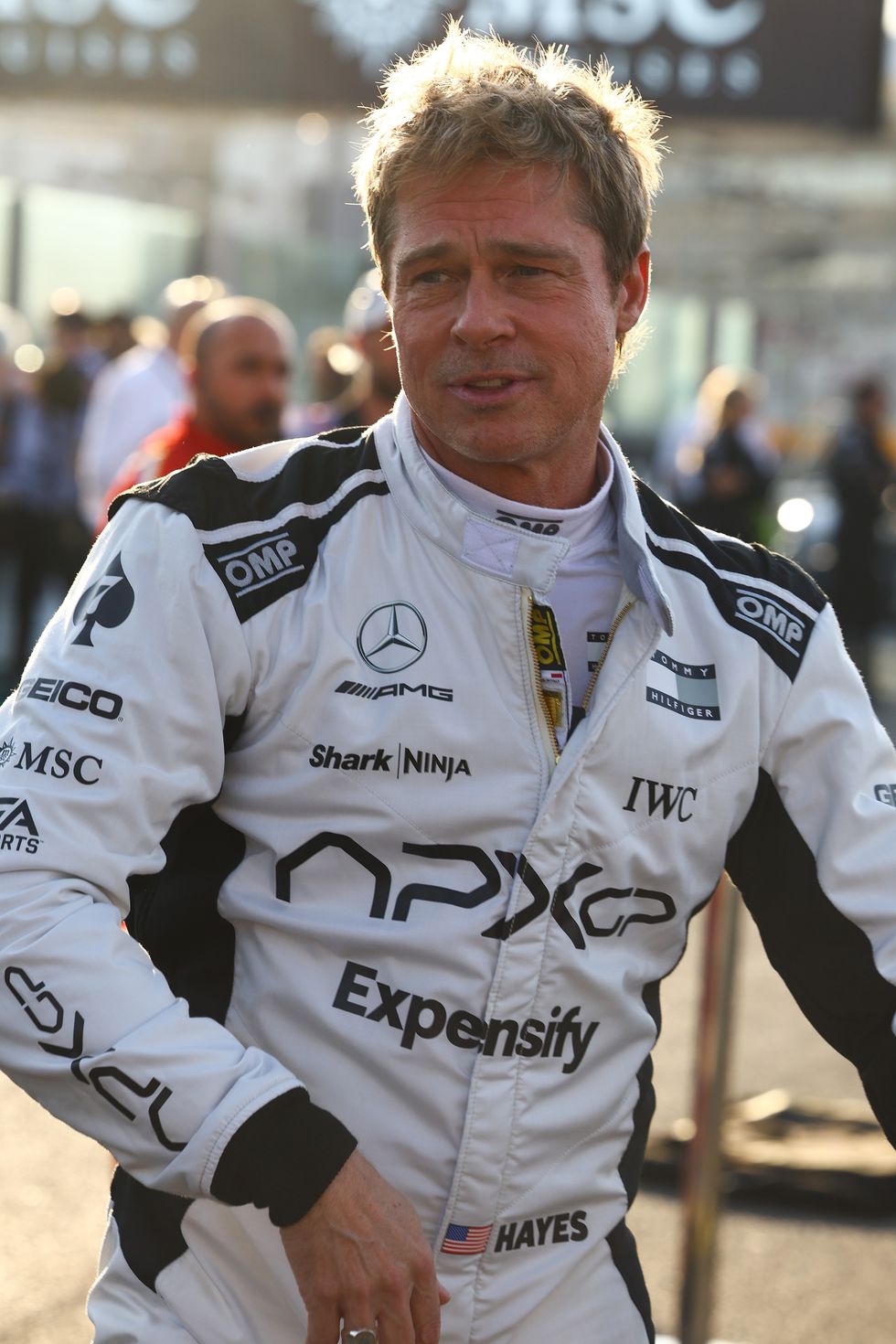 Brad Pitt stars as a veteran driver, with scenes shot during actual race weekends for authenticityGetty Images
Producer Jerry Bruckheimer added that Hamilton even corrected gear shifts in the audio during a Silverstone scene, pointing out the sound didn’t match the gear a driver would realistically use in that corner. His obsession with accuracy gave the film its edge.
Beyond the racetrack, Hamilton’s spirit fuels the story
The racing scenes are just one part of the film’s core. Hamilton’s insights also inspired character development. One pivotal moment, where Pitt’s character reflects on the deeper meaning behind his love for racing, was drawn from a real-life conversation with Hamilton about the emotional and spiritual connection drivers have with the sport.
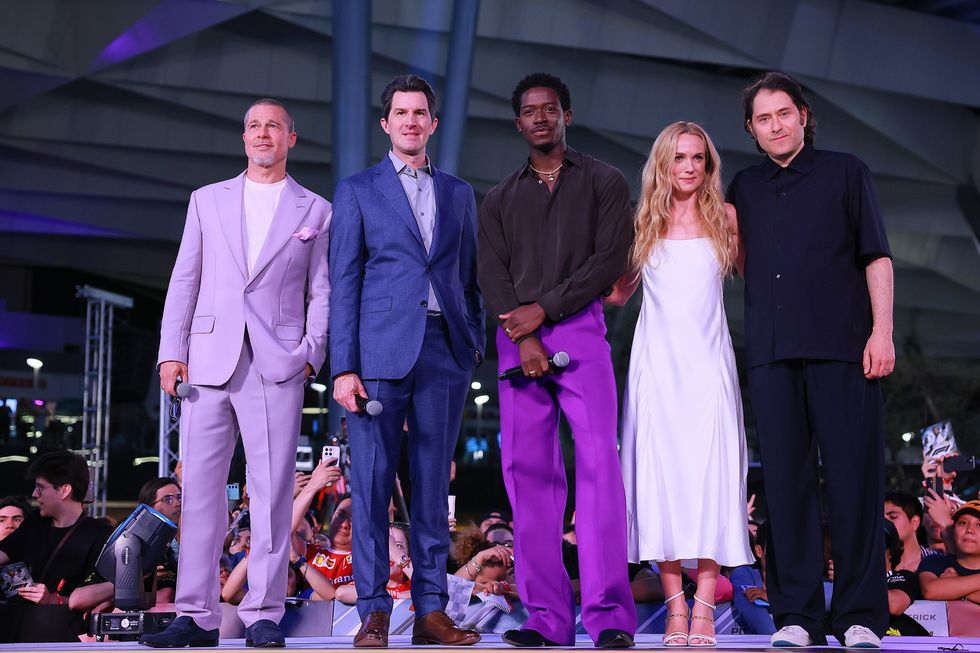 Brad Pitt, Director Joseph Kosinski, Damson Idris, Kerry Condon and Producer Jeremy Kleiner at the fan event for "F1: The Movie" Getty Images
As Formula One looks to expand its global fanbase, especially in the US, F1 aims to build on the success of Netflix’s Drive to Survive. But unlike the docuseries, this film brings together Hollywood storytelling with Hamilton-approved authenticity. And without him, the filmmakers say, this story simply couldn’t be told.