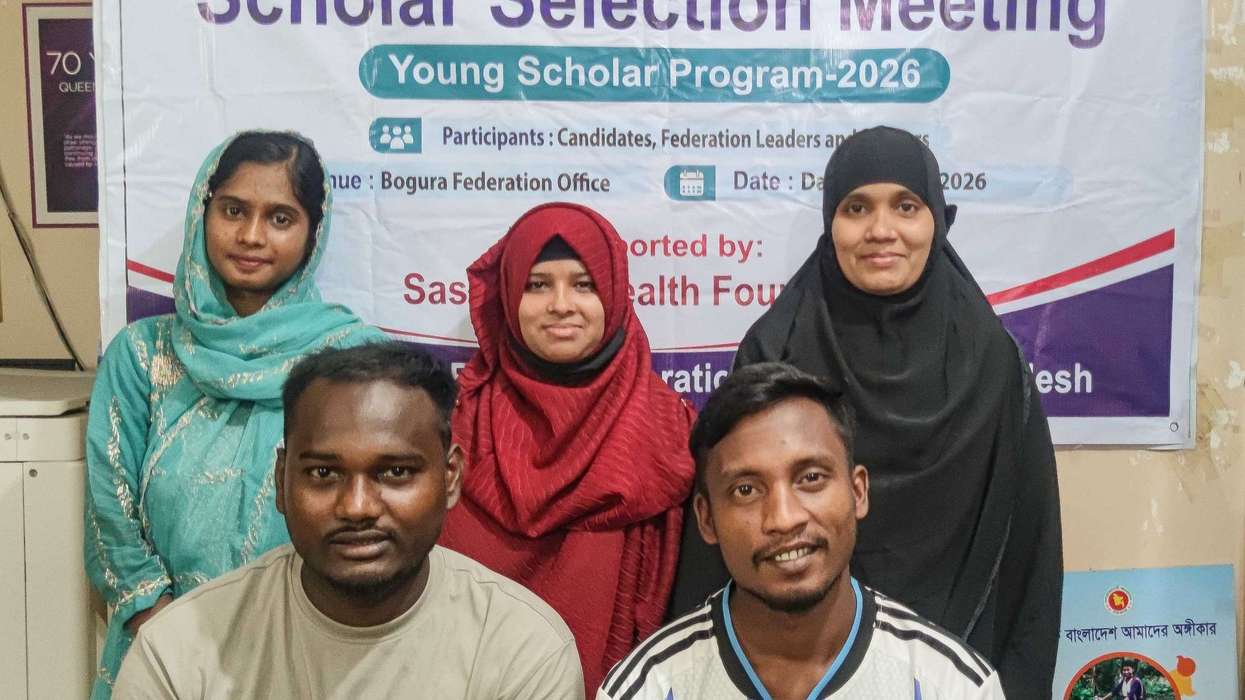

UK-based charity Lepra has recently become a proud partner of the Sasakawa Leprosy Initiative Young Scholar Programme, a leadership and development scheme for 18-35-year-olds affected by leprosy. The two-year programme will support participants from Bangladesh’s Bogura District, in developing their leadership skills, gaining financial autonomy and becoming pivotal players in shaping solutions within their communities.
The programme is expected to play a critical role in nurturing the next generation of community leaders by placing meaningful participation, ownership, and leadership at its core. Rather than positioning scholars as passive recipients of training, the programme will treat them as active partners and future decision-makers who are central to shaping solutions within their communities.
Through the programme, scholars will build the confidence, skills, and self-belief needed to take on leadership roles within the community. This aligns closely with global commitments, including World Health Organization guidance, which emphasises that people affected by leprosy should not only participate in services, but also play an active role in leading programme design, advocacy, and implementation.
A key expectation is that the programme will create safe and supportive spaces for co-creation, where scholars reflect on their lived experiences and translate them into practical actions that address stigma, exclusion, and barriers to healthcare and social support. By engaging scholars in both learning and decision-making processes, the programme strengthens their sense of agency and responsibility for collective outcomes.
Out of 44 potential candidates, following a rigorous selection process, five Young Scholars were chosen for the programme:
Yousuf plays an active role in his community, visiting households to raise awareness about the signs and symptoms of leprosy. He aims to advocate for the rights of people affected by leprosy, promote inclusion, and help create a society free from stigma and discrimination.
Shompa actively participates in community activities and raises awareness about leprosy. She wants to promote inclusion and respect for people affected by the disease.
A volunteer for leprosy community awareness programmes, Lalon promotes early diagnosis, treatment, and stigma reduction. The experience has strengthened his commitment to advocating for the rights and inclusion of people affected by leprosy.
Taslima leads a community group of people affected by leprosy is committed to supporting people affected by the disease and advocating for their rights. She explains, “Let us learn the facts about leprosy, help others become aware of it, and work together to create an inclusive society where no one is left behind.”
Since her recovery, Riya has been committed to educating others that leprosy is curable. Her goal is to raise awareness, encourage early detection, and ensure that people affected by leprosy receive timely treatment and support.
Lepra Bangladesh will oversee the programme’s delivery and provide ongoing support and guidance for its participants.
Jimmy Innes, Lepra’s CEO explains the importance of the programme for affected communities:
“Nurturing a community-led approach to healthcare and holistic support, is a vital step in creating more sustainable and resilient services within endemic areas. The Young Scholar Programme will provide the next generation of community leaders the tools and skills they need to create and grow their own health and support structures and will give people affected greater autonomy in shaping the services they need in the longer-term.”
For more information on the Sasakawa Leprosy Initiative Young Scholar Programme please visit: www.sasakawaleprosyiniative.org
For more information on Lepra’s work, please visit www.lepra.org.uk





 Dr Kalpana Lakhani Garavi Gujarat