
Highlights
- Lancashire’s public health chief says rising demand on services cannot continue.
- New prevention strategy aims to involve entire public sector and local communities.
- Funding concerns raised as council explores co-investment and partnerships.
The plan, still in its early stages, aims to widen responsibility for preventing ill health beyond the public health department and make it a shared priority across the county council and the wider public sector.
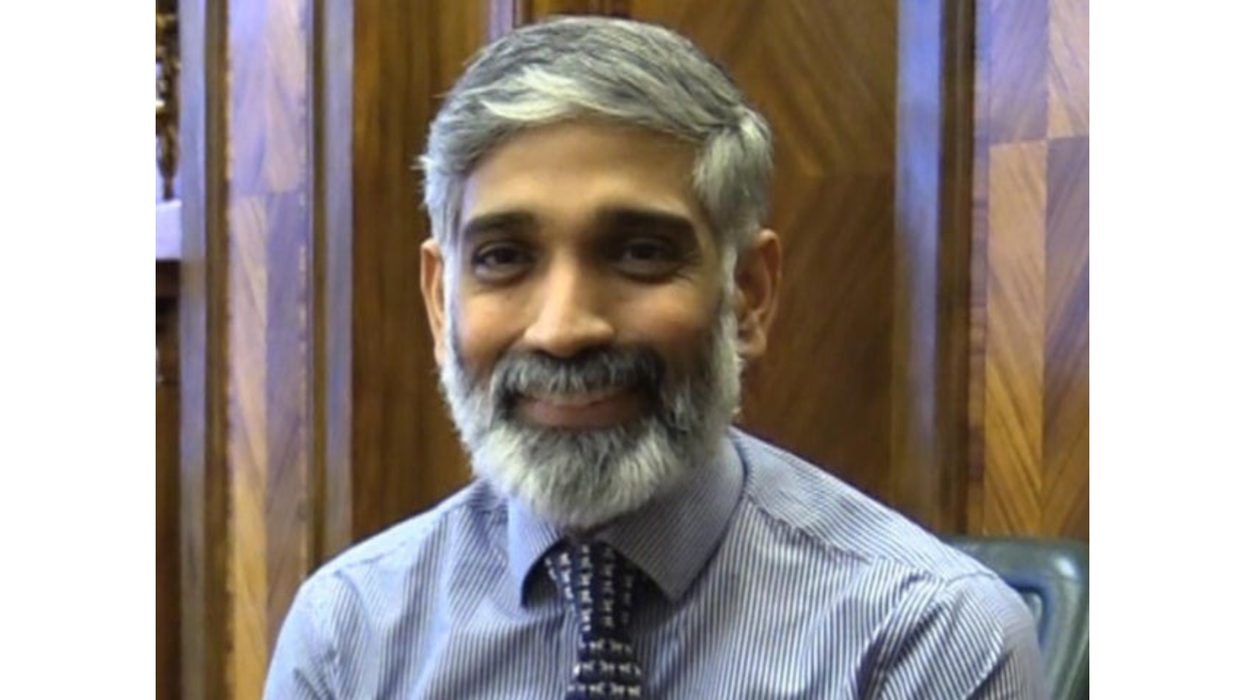
Dr. Karunanithi said the approach must also be a “partnership” with society, supporting people to make healthier choices around smoking, alcohol use, weight and physical activity. He pointed that improving our health is greater than improving the NHS.
Prevention and funding
The committee heard that prevention operates at three levels, stopping illness from developing, monitoring and intervening when risks arise, and preventing existing conditions from worsening.
Committee member Mark Jewell welcomed the strategy’s ambition but questioned whether its effectiveness would depend on available funding.
He asked whether the plan would be shaped around limited resources, or whether it could demonstrate clear long-term savings by investing in prevention.
Dr. Karunanithi said funding within the council would be the “starting point” but added that the aim was to secure co-investment from public and private partners, including “social entrepreneurs". He emphasised that while the ambition to reduce “unnecessary suffering” was not restricted by funding, action would require involvement from organisations and residents across Lancashire.
The strategy will be developed in three phases: beginning within the council, before expanding across local services and eventually embedding itself throughout the health and social care system. Short-term prevention measures are expected to be considered as part of the 2026/27 budget-setting process.
Local Democracy Reporting Service (LDRS)