
LABOUR has pledged to clamp down on costly hidden fees associated with international remittances from the UK to countries, such as India, as it makes its pitch to voters in the lead up to a general election, expected next year.
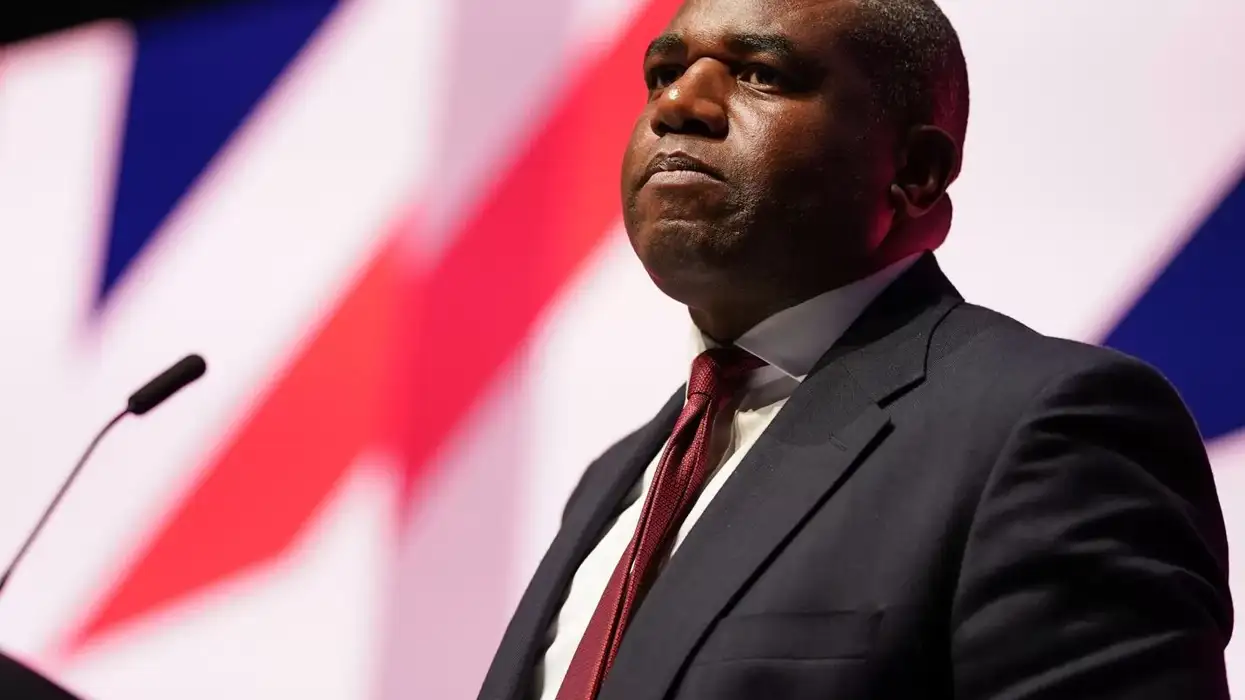
Shadow foreign secretary David Lammy hosted a special “Connecting Communities” reception in London on Monday (4) evening where he hailed the contributions made by Indian businesses to the UK economy as a “huge success story”.
Lammy highlighted the contribution of Britain’s diverse diaspora communities, through business, culture, art, food and music, social action and community engagement.
“Unlike the Tories who seek to pit communities against each other in divisive culture wars, the next Labour government will value the enormous contribution of Britain’s diverse communities both at home and abroad,” Lammy said.
“The positive impact of diaspora communities to fighting poverty and inequality through remittance payments is too often overlooked. Costly hidden fees on these payments put financial pressure on families in Britain already struggling to make ends meet in the Conservative cost of living crisis. In government, Labour will set the goal of reducing the obstacles and costs to cross border payments, keeping money in the pockets of Britain’s communities and allowing them to build on their contribution to Britain’s impact in the world,” Lammy added.
Remittance payments are defined as international transfers sent from households in the UK, typically to support friends and families overseas.
The World Bank has estimated the value of these payments from the UK at $10.7 billion in 2022.
According to Labour, hidden fees estimated to cost nearly half a billion pounds a year are putting additional pressure on families in the UK already struggling with the cost-of-living crisis.
“We’re now at a stage where there are over a thousand Indian businesses contributing over a billion to the UK economy. That is a huge success story… if I get the opportunity to serve as foreign secretary, I want to address the issues around remittances besides trade and enterprise,” Lammy said.
Reducing transfer costs on remittances to three per cent globally was one of the UN Sustainable Development Goals (SDGs) member states signed up to in 2015. International payments involving foreign exchange rates are expensive, with many involving hidden fees averaging at five to six per cent in the UK.
The shadow minister pointed out that the volume of remittances flowing out from the UK’s diaspora communities dwarfed the country’s aid budget, which a Labour-led government wants to return to the 0.7 per cent of national income target.
“We want to get back to a position that this country should have, particularly with communities from the Global South,” he added.