
Highlights
- Keir Starmer announces plans to ban social media access for under-16s.
- Ban would cover Snapchat, TikTok, YouTube, Instagram, Facebook and X.
- Government hopes legislation will pass by December and take effect next spring.
- Further measures on gaming, live streaming and under-18 online safety expected in July.
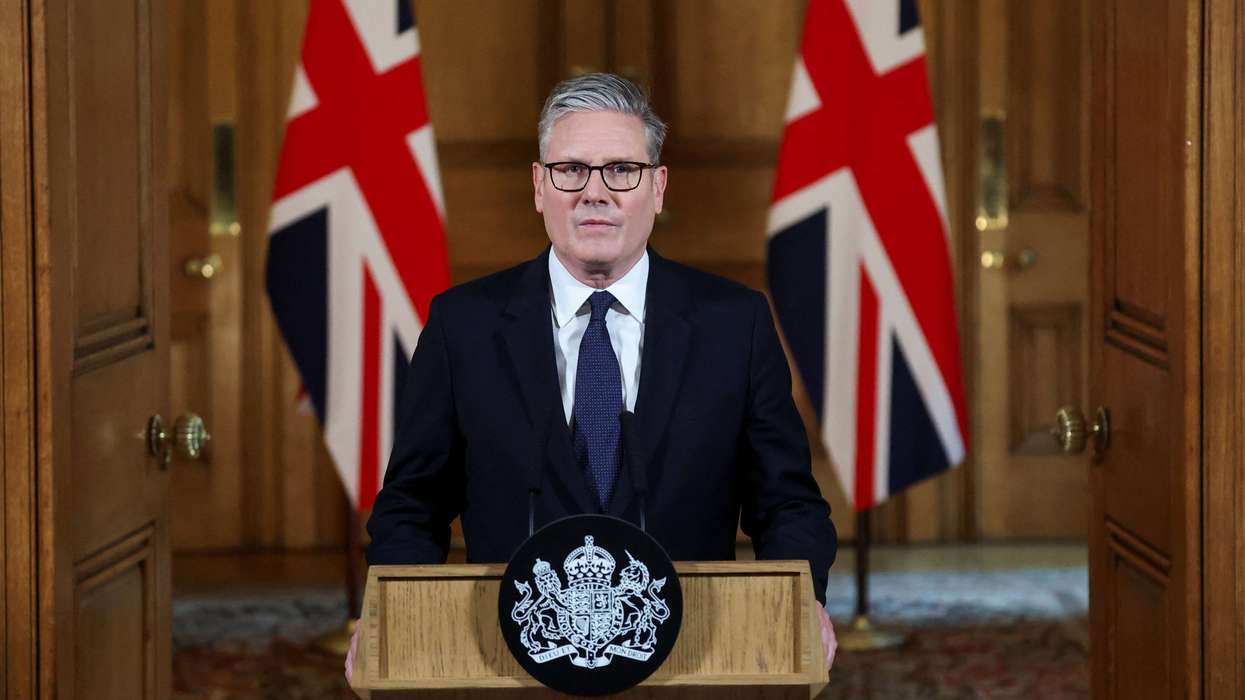
Starmer said the government "will ban access to social media for all children under the age of 16", warning that the platforms are "exposing them to content that is dangerous" and "designed to be addictive".
The government said the ban would "include platforms like Snapchat, TikTok, YouTube, Instagram, Facebook and X" but would not apply to messaging services such as WhatsApp.
Starmer said he hoped the legislation would be passed by late December and that the ban would come into force in spring next year.
UK Teens Say Social Media Harmful but Oppose Ban
The prime minister also said the government would take "world-leading action on gaming services and live streaming platforms".
In a statement, the government said it was also considering overnight curfews and breaks in infinite scrolling for under-18s, with further details due to be announced in July.
Starmer said the planned ban had been influenced by Australia, which became the first country in December to ban people under the age of 16 from social media.
The announcement follows a government-led consultation in which British teenagers tested social media bans and app time limits.
A spokesperson for YouTube warned that a blanket ban could push children towards "less safe services".
Starmer said the government was "taking action" on gaming services and live streaming platforms that allow strangers to contact children.
"Is there a situation in the offline world where you would just let your child pair up with a stranger? An adult that you don't know about? No. So we're taking action on that," he said, without giving details.
Last week, Canada's culture minister introduced legislation that would ban children under 16 from having social media accounts and require AI chatbot services to limit the production of harmful content.
The proposed Digital Safety Act makes Canada the latest country to move against social media platforms over concerns about harm to children.
Starmer gives tech firms three months to block nude images for children
Indonesia began enforcing its own social media ban for users under the age of 16 in March, while several European governments have announced plans for similar measures.
'Moral responsibility'
The UK government's consultation on the issue closed in late May and received about 116,000 responses, making it the second-largest response ever received.
More than 83 per cent of parents who responded said the risks posed by social media outweighed the benefits for children, while 91 per cent supported a minimum age of 16.
The announcement comes a week after the government said technology companies must stop children in Britain from being able to send and receive nude images on their devices.
Britain's interior ministry said companies including Apple and Google had been given three months to introduce safety features that block children from taking and accessing naked photos on phones and tablets.
The government warned that if companies failed to do so, legislation would be introduced requiring them to activate the technology.
Starmer's Labour government said technology companies had a "moral responsibility" to "protect children from coercion, abuse and sextortion".
The government said a change in the law would stop children from accessing pornography and make it harder for child abusers to target children.
According to analysis by the Internet Watch Foundation cited by the government, 91 per cent of online child sexual abuse reports recorded in 2024 contained self-generated content from children themselves.