Skip to content
Search

Latest Stories

Submit Guest Post

UK teens admit social media is harmful but don't want it banned

Young people at a south London school tell Reuters the platforms help them connect but leave them exhausted, bullied and exposed to harmful content

UK teens social media

UK is weighing a social media ban for under-16s similar to Australia with a public consultation closing in May

iStock - Representative image

Highlights

  • British teenagers mostly oppose a social media ban despite knowing the risks.
  • One in five Australian teenagers under 16 were still using social media two months after a ban.
  • Experts say companies should be forced to build safer platforms rather than banning access.
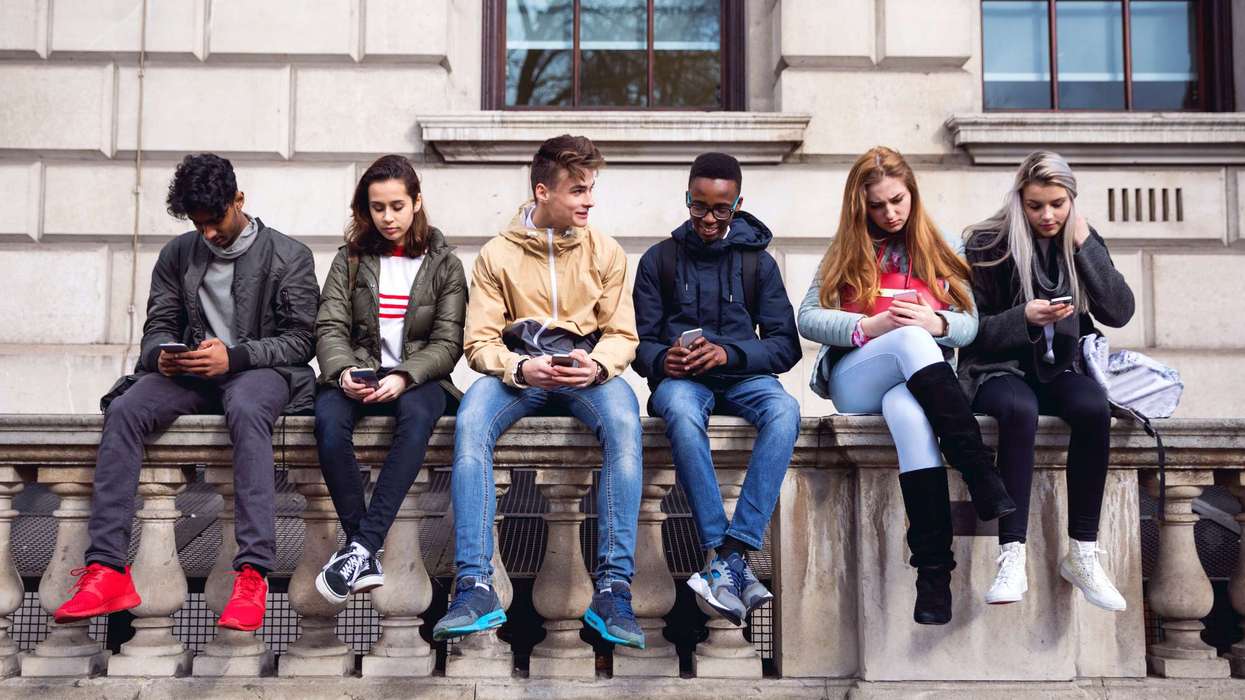
Most British teenagers know social media can be bad for them but still do not want the government to ban it, according to a Reuters special report.
Young people aged 16 to 18 at Ricards Lodge High School in Wimbledon said apps like Snapchat, Instagram and TikTok helped them stay in touch with friends, meet new people and learn about the world.
But they also said the same apps sometimes made them feel unhappy, tired and exposed to bullying and upsetting content.
Britain is thinking about whether to follow Australia in banning social media for under-16s and has asked the public to share their views in a consultation closing in May.

Awand Khdir, 17, told Reuters he used to spend around eight hours a day on TikTok during the summer.

"Doom scrolling is an issue on its own but the content that you see sometimes, especially on TikTok, there's a lot of dodgy stuff," he said.


Joelle Azebaze Ayangma, 18, said seeing other girls on TikTok was hurting young people's confidence.

"When you see other girls on TikTok, you kind of want to look like them. And that's really crushing people's self-esteem," she said.

Teens oppose ban

Even though they knew the risks most pupils did not want a ban. Dua Arshia, 16, said restrictions could push young people towards more dangerous platforms.

Leah Osando, 17, said a ban would be very hard to enforce. "Even if children get banned they'll go onto the dark web or use a VPN," she said.

Data from Australia showed one in five teenagers under 16 were still using social media two months after the ban raising big questions about whether age restrictions actually work.

Three experts who have advised the government on child internet safety said there was no clear proof that bans work.

Professor Amy Orben from Cambridge University said social media affected every teenager differently."The online world like the offline world is very complex," she said.

Professor Sonia Livingstone from the London School of Economics said a ban was like using "a very blunt hammer to crack a nut."

She said the government should push big tech companies to make their platforms safer without cutting children off from the internet completely.

Add EasternEye As Your Trusted Source
preferred source on google news

More For You

AI fraud

AI tools are helping fraudsters create increasingly convincing investment scams

iStock

AI-powered investment scams cost Britons £221m as fraudsters target gold, crypto and wine

  • Investment scam losses jumped 40 per cent to £221.5m in 2025.
  • Fraudsters are increasingly using AI-generated websites, messages and voice cloning.
  • More than £1.28bn was stolen through fraud across the UK last year.

Investment scams involving cryptocurrencies, gold, property and even fine wine are becoming increasingly sophisticated, with victims across the UK losing more than £221m in 2025 as fraudsters embrace artificial intelligence to make their schemes appear legitimate.

The latest investment scam figures from UK Finance highlight a growing challenge for banks, regulators and consumers. According to the industry body, losses from investment fraud reached £221.5m last year, a 40 per cent increase compared with the previous year. Nearly 15,000 cases were reported by UK banks as criminals used AI-powered tools to lure victims into fake investments and fictitious funds.

Keep ReadingShow less