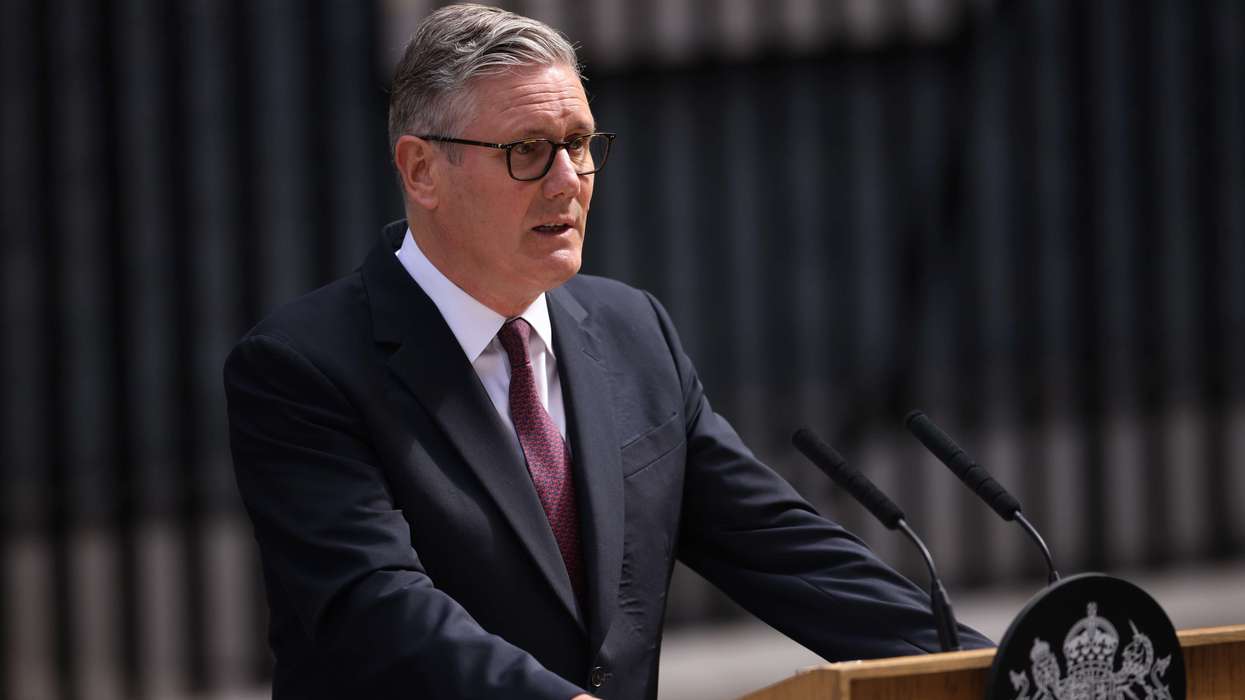

The resignation of a prime minister is one of the most dramatic moments in British public life. It marks the end of a political chapter, triggers intense media scrutiny, and inevitably prompts debate about legacy, success, and failure.
When Sir Keir Starmer announced his resignation this week, I found myself reflecting on another resignation speech several years earlier – that of Theresa May.
At the time, I was serving as a special adviser in Number 10 Downing Street. Like millions of people across the country, I watched the prime minister address the nation. Unlike most, I watched it from inside the heart of government itself.
What struck me then, and what strikes me again today, is how quickly power changes hands.
One day, a prime minister is leading the government, shaping national priorities, meeting world leaders, and carrying the immense responsibilities of office. The next, they are preparing to leave.
Politics often focuses on personalities, elections, and political victories. Yet one of the most important lessons I learned during my time in government was that leadership is ultimately about service.
Prime ministers come and go. Governments change. Political fortunes rise and fall. But the institutions of our democracy endure.
The Civil Service continues its work. Parliament continues its scrutiny. Public servants continue to serve communities across the country. The machinery of government keeps moving forward.
One of the great privileges of working in government is witnessing the dedication of those who serve, often away from public attention and regardless of which political party is in power. Their commitment is a reminder that public service is bigger than any one individual.
Moments such as these also offer a lesson in humility. Whether in politics, business, public service, or community leadership, positions are temporary. Influence is temporary. Titles are temporary.
What remains is character. How leaders treat people. The values they demonstrate under pressure. The decisions they make when faced with difficult choices. And the legacy they leave behind.
Having witnessed one prime minister leave office from inside Downing Street and now observing another depart from afar, I am reminded that leadership should not be measured solely by the length of time someone serves. It should be measured by whether they sought to leave their organisation, institution, or country stronger than they found it.
Regardless of our political views, moments of transition are an opportunity to reflect on the true nature of leadership.
Power is never permanent. Responsibility is real. Service matters. And ultimately, leadership is less about holding office and more about what you do with the privilege of serving while you have it.



 Dr Kalpana Lakhani Garavi Gujarat