
Skip to content
Search

Latest Stories

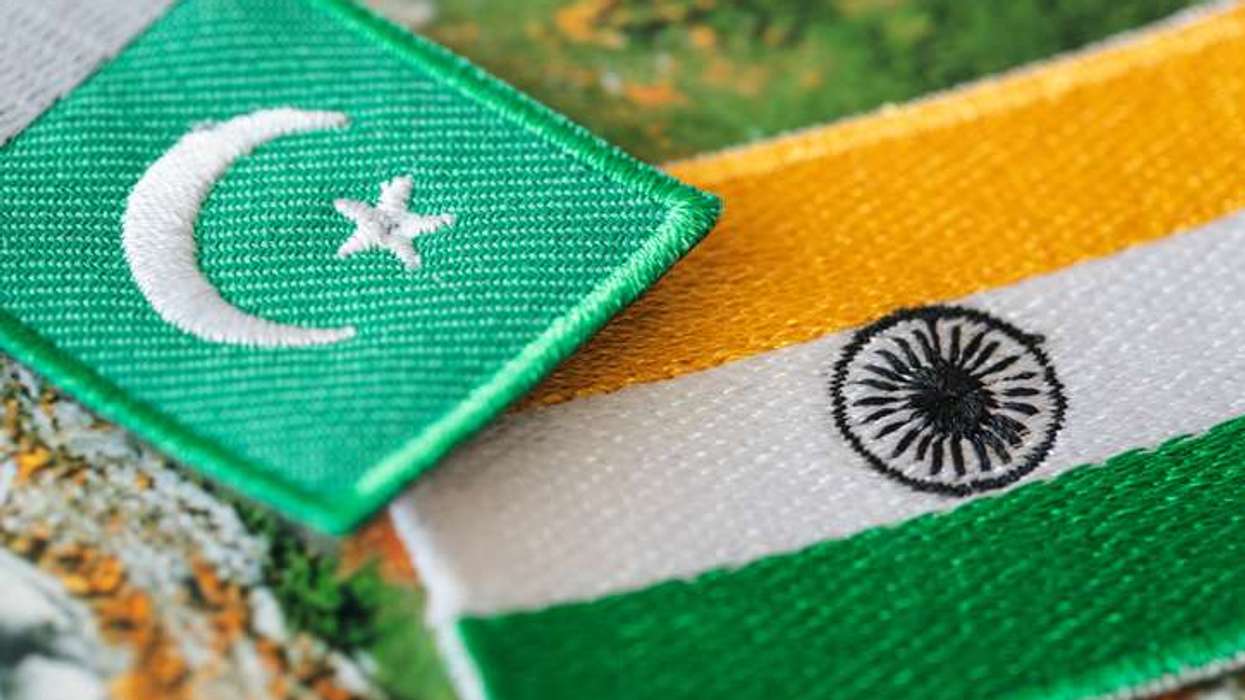
Trump claims five jets shot down during India-Pakistan conflict

"In fact, planes were being shot out of the air. Five, five, four or five, but I think five jets were shot down actually," Trump said while referring to the India-Pakistan conflict. He did not give further details.

Trump-Getty

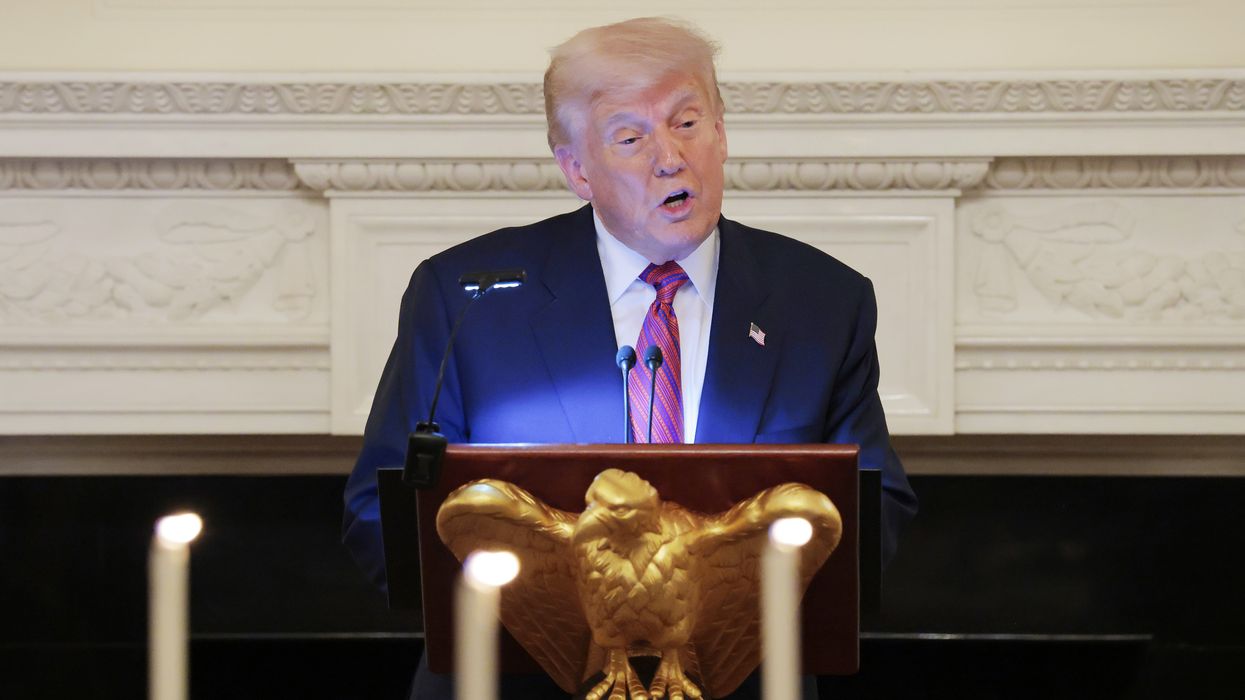
Trump made the remarks during a dinner with Republican lawmakers at the White House. (Photo: Getty Images)

US PRESIDENT Donald Trump said on Friday that as many as five jets were shot down during the India-Pakistan hostilities that followed a terror attack in April in India's Kashmir. He added that the situation calmed after a ceasefire in May.

Trump made the remarks during a dinner with Republican lawmakers at the White House. He did not specify which country’s jets were shot down.


"In fact, planes were being shot out of the air. Five, five, four or five, but I think five jets were shot down actually," Trump said while referring to the India-Pakistan conflict. He did not give further details.

ALSO READ: US designates Kashmir attack group TRF as terrorist outfit

Pakistan has claimed it downed five Indian aircraft during the hostilities. In late May, India’s top military officer said the country had changed its tactics after initial losses and had gained an upper hand before the ceasefire was declared three days later.

India also claimed it shot down "a few planes" of Pakistan. Islamabad denied losing any aircraft but said its air bases had been hit.

Trump has repeatedly said he was responsible for the ceasefire between the two countries. On May 10, he announced the ceasefire on social media after the US held talks with both sides. India, however, has not agreed with Trump’s claims that it was a result of US intervention or threats to halt trade talks.

India has maintained that issues between New Delhi and Islamabad must be resolved bilaterally without outside involvement.

India is a key US partner in efforts to counter China's growing influence in Asia. Pakistan is also a US ally.

ALSO READ: Trump hosts Asim Munir, again claims role in ending India-Pakistan conflict

The conflict followed an April attack in India-administered Kashmir that killed 26 people and led to intense fighting between the two nuclear-armed neighbours, in the latest round of a long-standing rivalry.

India blamed Pakistan for the attack, while Pakistan denied any involvement and called for an impartial investigation.

The US condemned the attack but did not directly blame Pakistan.

On May 7, Indian jets bombed targets across the border, which New Delhi described as "terrorist infrastructure". This led to a series of retaliatory strikes involving fighter jets, drones, missiles, and artillery, resulting in dozens of deaths before the ceasefire was announced.

(With inputs from agencies)

More For You

How May elections could disrupt Britain’s political balance

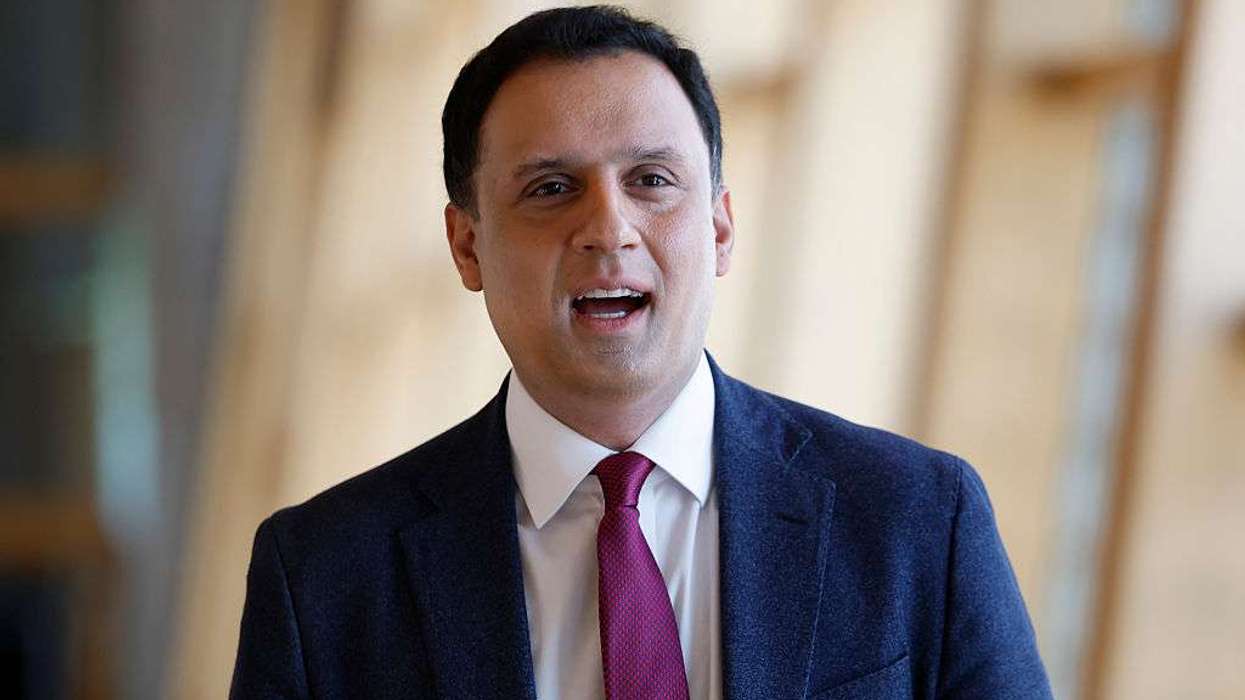
Scottish Labour leader, Anas Sarwar speaks to media infront of the party’s Ad Van Campaign on May 04, 2026 in Bathgate, Scotland

Getty Images

How May elections could disrupt Britain’s political balance

Sunder Katwala

The tremors of the May 2026 elections could shift the tectonic plates of British politics. Attention will quickly turn to the Westminster aftershocks, including what the fallout of these national elections in Scotland and Wales alongside local elections across much of England, mean for Sir Keir Starmer’s future. Yet these seismic electoral upheavals merit scrutiny in their own right.

Wales is set for a once a century political earthquake. Labour has not just led the Welsh government since devolution began in 1999 - but won the most votes in every national election in Wales since 1922. Yet it now trails third, burdened by double incumbency in Cardiff Bay and Westminster, with the party watching the Welsh nationalists of Plaid Cymru and Reform’s pro-Brexit populists compete to top the polls. That contrast has polarised Wales - by age and geography - though a broad majority would prefer a government led by Plaid Cymru’s Rhun Ap Iowerth, with two-thirds hoping to keep Reform out.

Scotland could offer a rare pocket of political stability. John Swinney is the third Scottish first minister of a turbulent term after Nicola Sturgeon and Humza Yousaf, but may now secure a fifth term for his Scottish National Party. The trick to bucking the anti-incumbent trend has been to leverage his Edinburgh government being comparatively less unpopular than its London counterpart. Scottish Labour leader Anas Sarwar sought to demonstrate his own distance from Westminster by calling for Starmer to resign, but his bid to lead Scotland, and become its second Asian First Minister, looks set to fall short.

Plaid Cymru leader Rhun ap IorwerthGetty Images

Keep ReadingShow less