
Highlights
- James Cameron and Disney are facing a lawsuit linked to the Avatar franchise
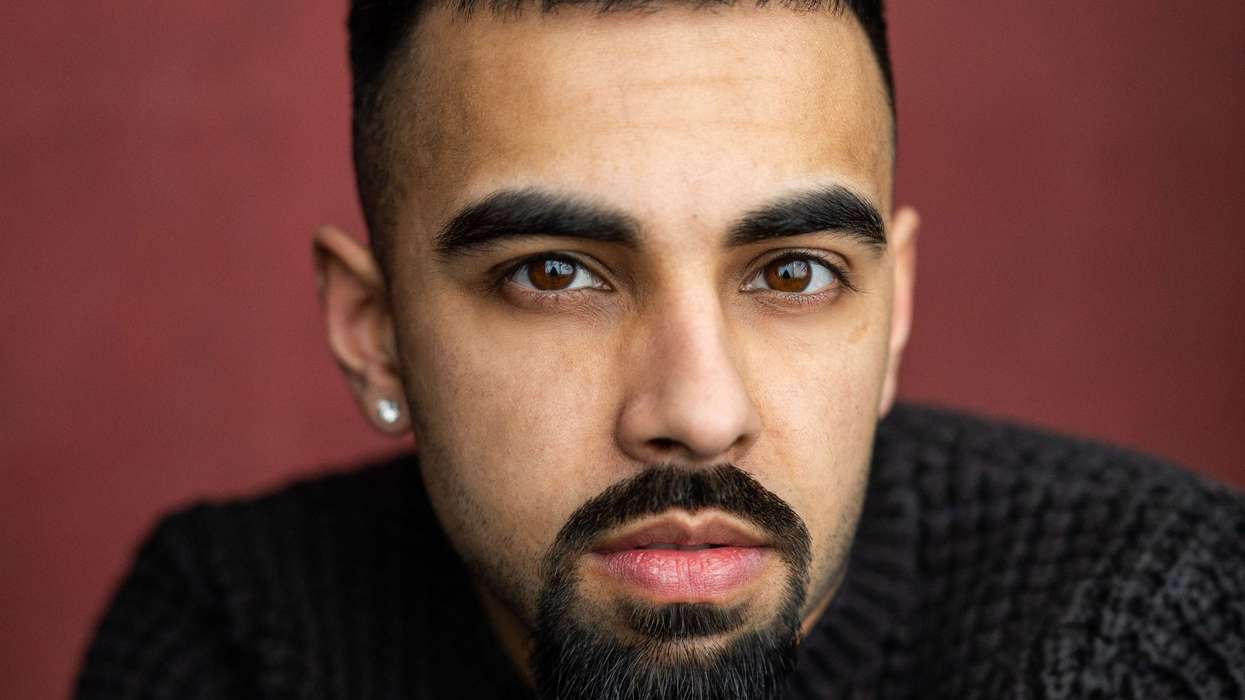
- Actor Q’orianka Kilcher claims Neytiri’s appearance was based on her likeness without consent
- The complaint alleges her facial features were used during the character’s design process
- The lawsuit seeks damages and public disclosure over the alleged use of her image
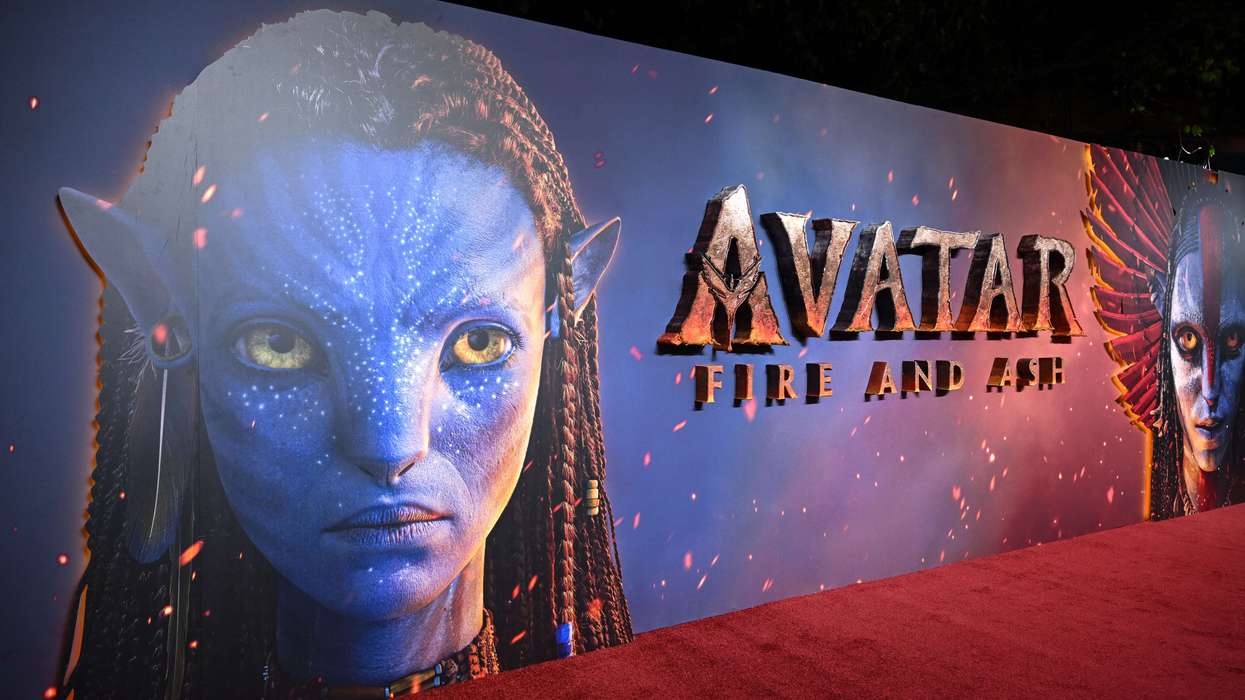
A new legal challenge surrounding the Avatar franchise has placed director James Cameron and Disney under scrutiny, after actor Q’orianka Kilcher alleged that the appearance of Neytiri was partly created using her likeness without permission.
Kilcher, who starred in The New World as Pocahontas at the age of 14, claims Cameron used her facial features as visual inspiration for Neytiri, the Na’vi character played by Zoe Saldaña in the blockbuster franchise.
Lawsuit claims Neytiri design drew from actor’s image
According to the complaint, Cameron allegedly extracted details from a published photograph of Kilcher and instructed designers to use it during the creation of Neytiri’s appearance in Avatar.
The lawsuit argues that the filmmaker and associated companies used the likeness of a young Indigenous actor without credit or compensation while building one of Hollywood’s most commercially successful film series.
Kilcher’s representatives described the situation as an exploitation of “biometric identity and cultural heritage”, while also accusing the franchise of presenting itself as supportive of Indigenous struggles despite the allegations behind the scenes.
Lightstorm Entertainment and several visual effects companies have also been named in the complaint.
A sketch, a note and a resurfaced interview clip
The filing states that Kilcher and Cameron first met at a charity event shortly after the release of Avatar in 2009. During the meeting, Cameron allegedly presented her with a signed sketch of Neytiri alongside a handwritten message which reportedly read: “Your beauty was my early inspiration for Neytiri.”
The lawsuit also claims Kilcher was never formally approached to audition for the film, despite efforts from her representatives at the time.
Kilcher said in the complaint that she only became fully aware of the alleged use of her likeness after an older interview clip of Cameron resurfaced online last year. In the video, the director is seen discussing a sketch of Neytiri and referencing Kilcher’s facial features as part of the original inspiration.
She said the discovery left her feeling betrayed and described the alleged use of her image without consent as crossing “a major line”.
Franchise success now tied to legal scrutiny
The Avatar franchise remains one of the highest-grossing film series in cinema history. The original 2009 film earned more than $2.9 billion worldwide, while both sequels crossed the $1.5 billion mark globally.
The lawsuit is seeking compensatory and punitive damages, alongside a share of profits connected to the alleged use of Kilcher’s likeness and a corrective public statement.