
Highlights
- Bishi Bhattacharya discusses menstruation stigma, South Asian identity and activism through music
- The composer reflects on blending classical traditions with electronic experimentation in MAYA: The Birth of a Superhero
- She also opens up about AI, industry discrimination and why art can create real social change
Why MAYA became a deeply personal project
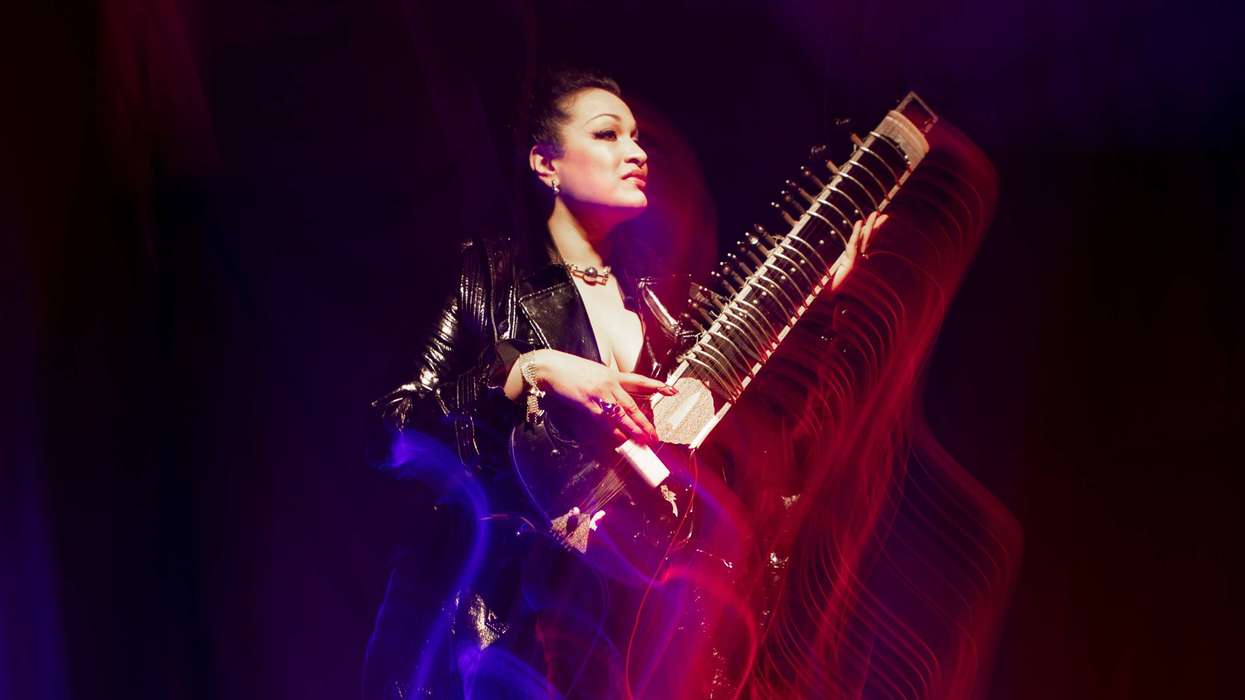
Composer, producer and artist Bishi Bhattacharya said MAYA: The Birth of a Superhero felt immediately personal because of its themes around feminism, shame and South Asian identity.
The immersive film, directed by Poulomi Basu and C.J. Clarke, explores menstruation stigma, violence against women and restrictive traditions through the perspective of a young girl.
Bhattacharya connected strongly with the story, particularly because of her own upbringing in a Bengali household in London.
“I was brought up with a lot of bodily shame,” she said, reflecting on the silence surrounding periods and women’s health in many South Asian families. “If you can’t talk about sexual health or the realities of being a woman, then I think you are endangering your kids.”
She also described the project as symbolic because it marked her first fully original score and brought together several South Asian creatives across music, film and visual art.
Blending classical roots with electronic experimentation
Bhattacharya’s work has long merged Hindustani classical influences with electronic production. Having trained in piano, voice and sitar while also working as a DJ and performer, she said her music naturally evolved across multiple cultural spaces.
“I always wanted to create music reflective of the world that I’m living in,” she explained.
For MAYA, she combined acoustic instruments with immersive sound design and electronic textures to create what she described as an “umbrella experience”.
She also praised the growing wave of South Asian artists experimenting across genres and platforms, particularly musicians combining traditional sounds with modern production.
“There’s such talent,” she said. “It’s really exciting to feel part of that movement.”
 Activism, meanwhile, remains central to her work Fiona Garden
Bishi Bhattacharya on AI, activism and industry barriers
Bhattacharya has also worked extensively with immersive technology and AI through her previous platform WITCiH, which supported women, trans and non-binary artists working in technology and the creative industries.
While she sees huge creative potential in AI, she believes ethical concerns around artist compensation and automation cannot be ignored.
“In order to make AI good, you have to do so much work that it’s actually the same thing as learning an instrument,” she said.
The artist also spoke candidly about institutional discrimination within the industry, saying South Asian creators are still frequently treated as “niche”.
“Niche is just a polite way of saying not white,” she said.
Activism, meanwhile, remains central to her work. Bhattacharya, who is part of Brian Eno’s Hard Art Collective, said she has seen firsthand how art and activism together can create meaningful social impact.
- YouTube youtu.be
Hoping audiences leave with reflection and connection
With the album release and UK tour ahead, Bhattacharya said she hopes audiences take away a sense of reflection and emotional release from the project.
“I hope to give people an experience where they can reflect and let go,” she said.
Describing modern life as politically and emotionally overwhelming, she hopes the dreamlike quality of the soundtrack can create space for people to pause and reconnect.
The project has already earned international recognition, including success at Tribeca and a shortlist spot in the Cannes Film Festival’s first VR section.
For Bhattacharya, though, the lasting impact lies in the collective energy behind the work.
“There’s a real brown girl magic thing around this project,” she said.
- YouTube youtu.be




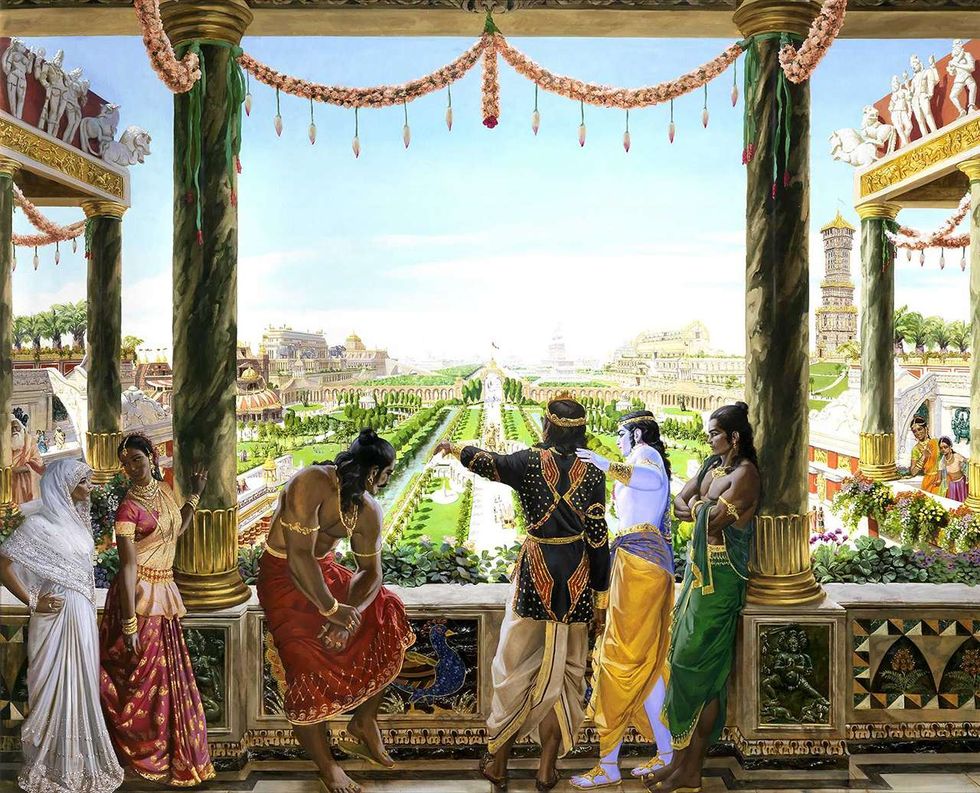 Krishna in IndraprasthaGiampaolo Tomassetti
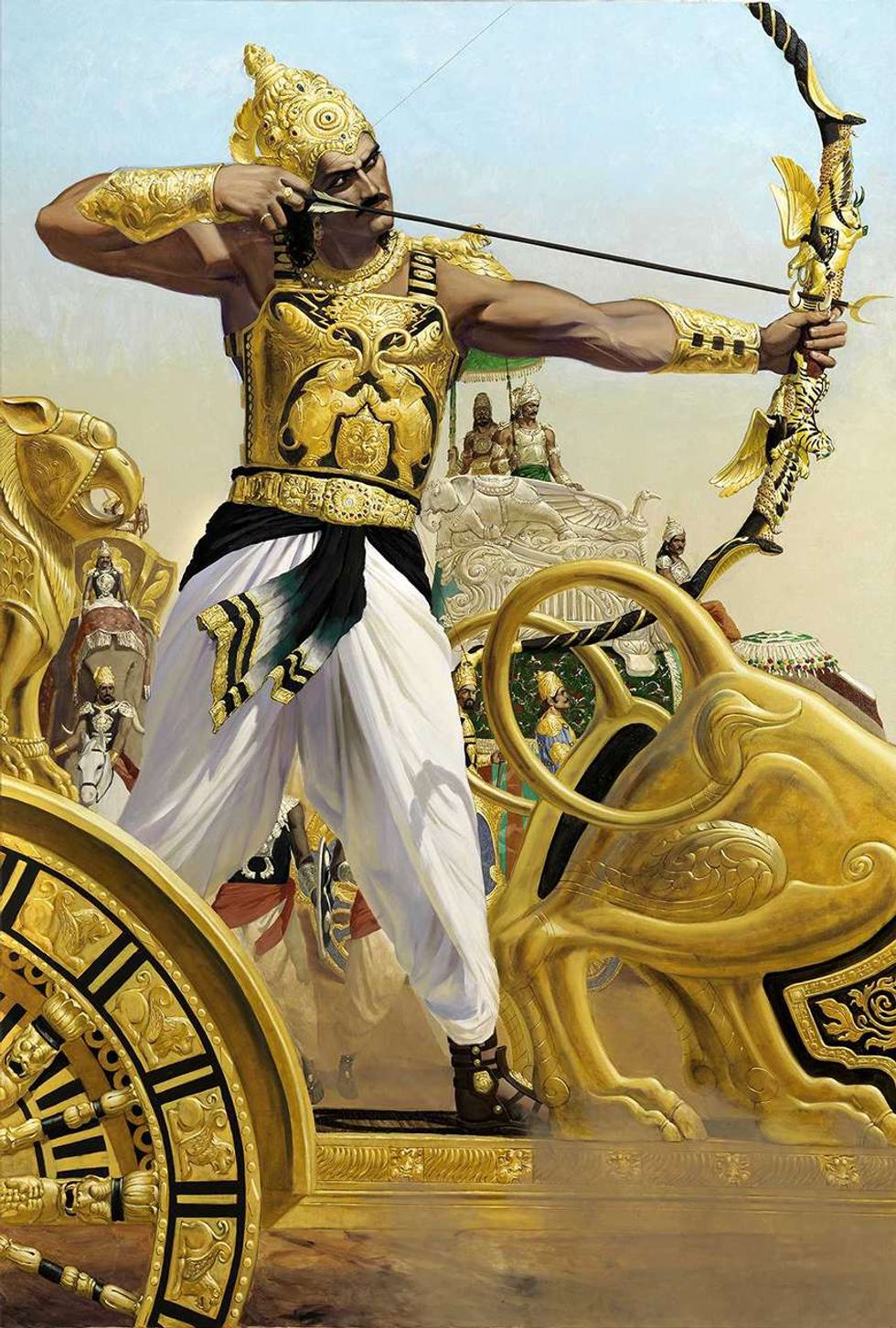 "Shoot Him Now" Giampaolo Tomassetti
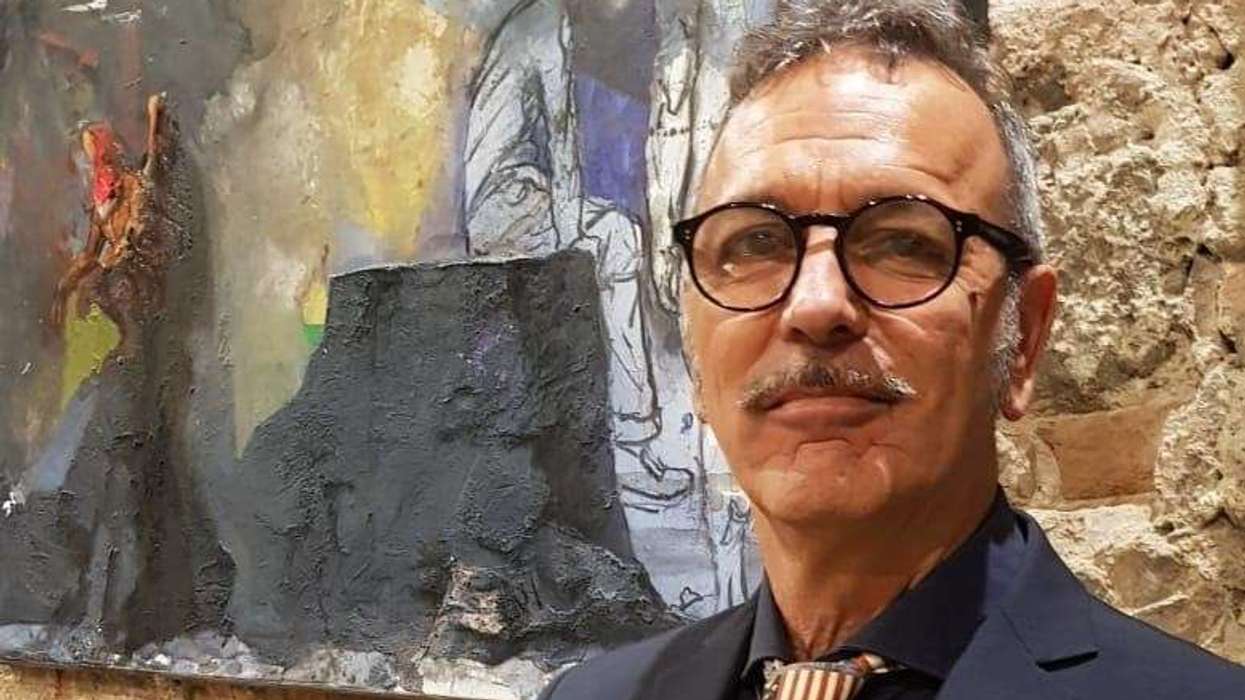
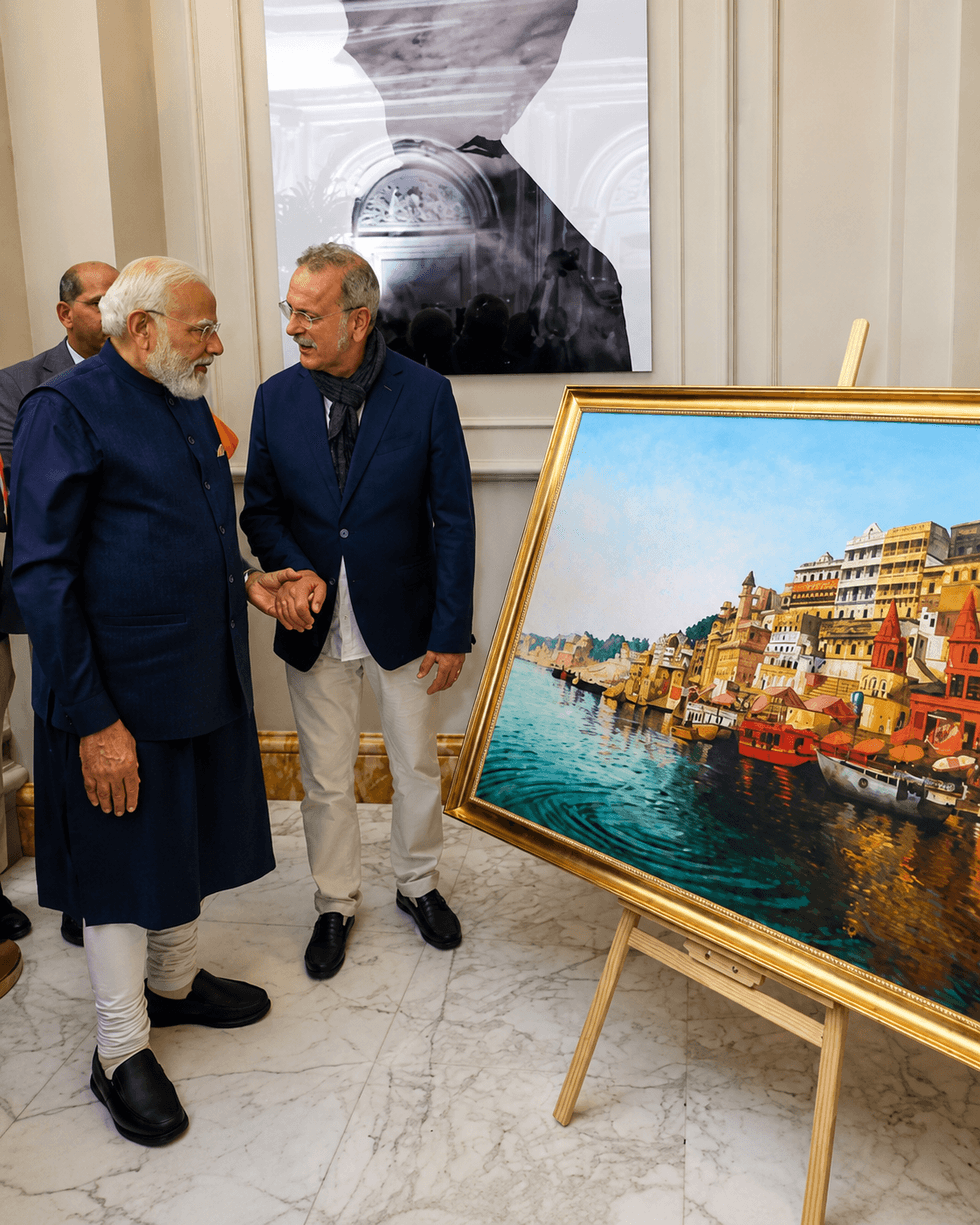 Giampaolo Tomassetti with Indian prime minister Narendra ModiGiampaolo Tomassetti