BEFORE being named prime suspects in Sri Lanka's Easter bomb suicide attacks, National Thowheeth Jama'ath's main claim to fame was being linked to vandalising of Buddhist statues.
After long wrangling with radical Buddhist leaders, suicide bomb attacks against churches and hotels would be a spectacular departure for the little-known Islamic extremist group.
Cabinet minister and government spokesman Rajitha Senaratne on Monday (22) said authorities believed the NTJ was behind Sunday's attacks on three churches and three luxury hotels in which 290 people died.
Authorities said 24 people have been arrested and that they were hunting for links between the group and foreign backers.
"We don't see that only a small organisation in this country can do all that," Senaratne said.
The Sri Lankan presidency said in a statement that "intelligence sections have reported that there are international terror groups which are behind local terrorists."
Whoever staged Sunday's attacks organised an extremely well-planned, coordinated assault.
The Soufan Center, a New York based group that monitors global security threats, said the Sri Lanka bombings bore all the "hallmarks" of "attacks by other Salafi-jihadist groups, particularly those where local groups receive foreign support."
It highlighted the Christmas Eve bombings in Indonesia in 2000, where al-Qaeda worked with local group Jemmah Islamiyah, and the 2005 hotel bombings in Amman masterminded by an Al-Qaeda affiliate.
"These attacks are designed to increase sectarian tensions and destabilise the governments of the countries where they take place," said a Soufan Center study.
A report released by the group in January said Al Qaeda and Islamic State wanted to recruit followers in South Asia and their propaganda "highlighted injustices against Muslims in Bangladesh, Myanmar, India, and Sri Lanka."
Months after Buddhist riots against Muslim targets, the NTJ came to prominence in December when its followers were accused of attacking Buddhist statues in Kegalle district.
The act outraged the country's majority Buddhist community.
NTJ secretary Abdul Razik has been arrested several times on charges of inciting religious unrest.
After one incident in 2016, Galagodaatte Gnanasara, head of a radical Buddhist group, the BSS, warned there would be "a blood bath" unless Razik was arrested. Gnanasara has himself since served a jail term for intimidating the wife of a missing journalist.
But signs of radicalisation have grown since the group allegedly took hammers to Buddhist statues.
In January, Sri Lankan security forces discovered 100 kilogrammes of high explosives and 100 detonators near a remote wildlife park.
While no group was accused, authorities said four Muslim radicals had been detained.
Major questions are now being asked over whether Sri Lankan police did enough to head off fears of suicide attacks on churches.
Sri Lanka's police chief issued a warning on April 11, saying a "foreign intelligence agency" had reported NTJ was planning attacks on churches and the Indian high commission.
Church officials said some were told last week that attacks were possible.
The government spokesman said however that police chief Pujuth Jayasundara should consider resigning following the attacks.
(AFP)





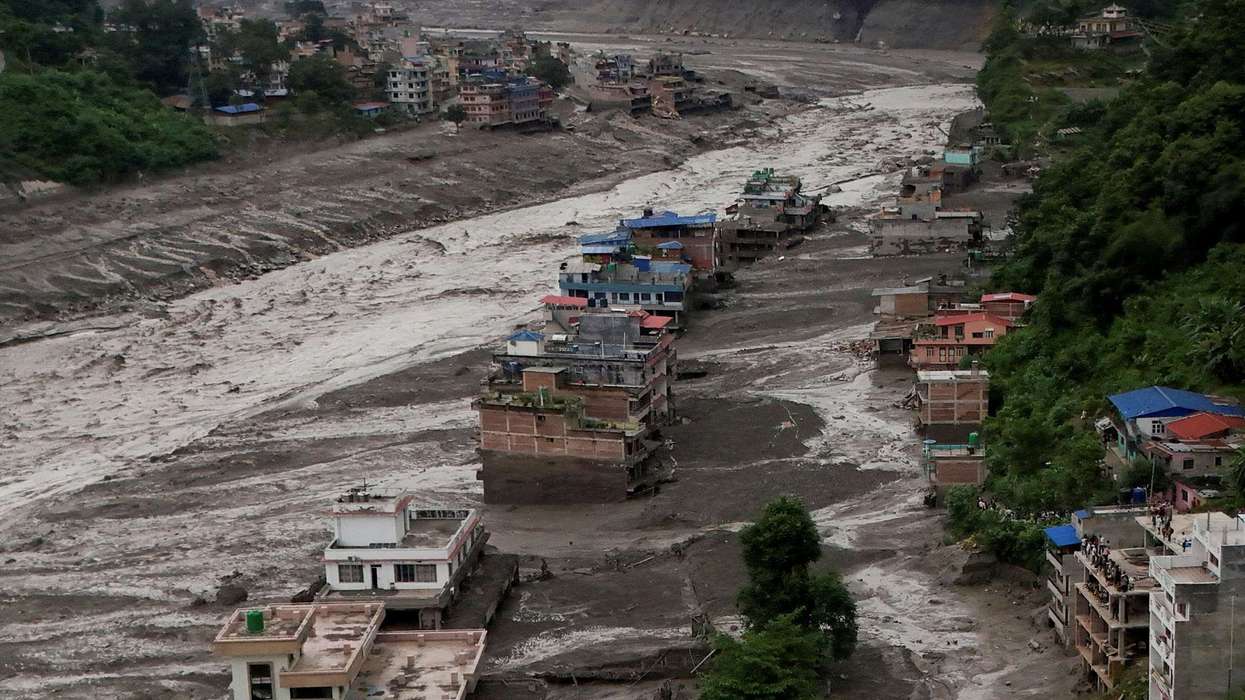
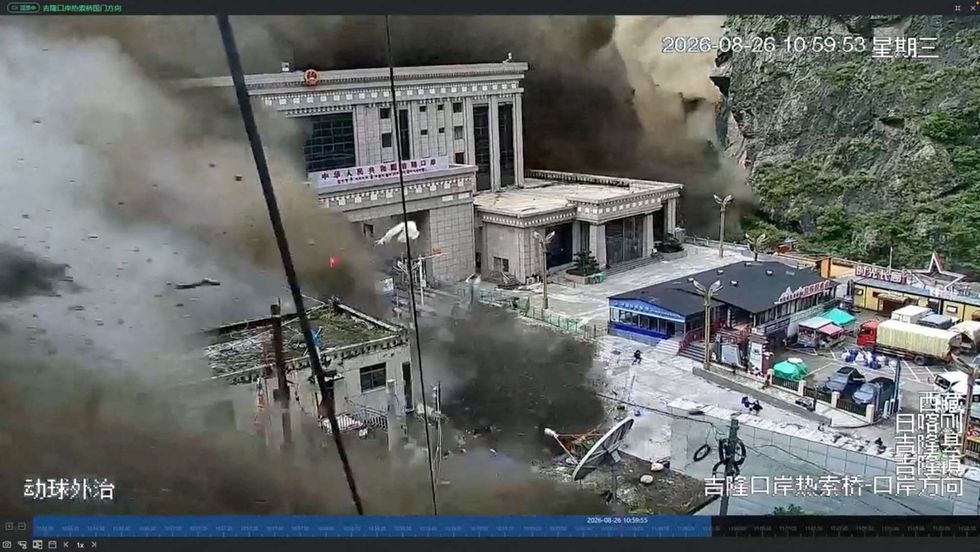 A CCTV footage shows people running away as wall of mud and water destroys buildings in a valley at Nepal-China border, in Gyirong, Tibet region, China August 26, 2026, in this screengrab obtained from a social media video. Reuters