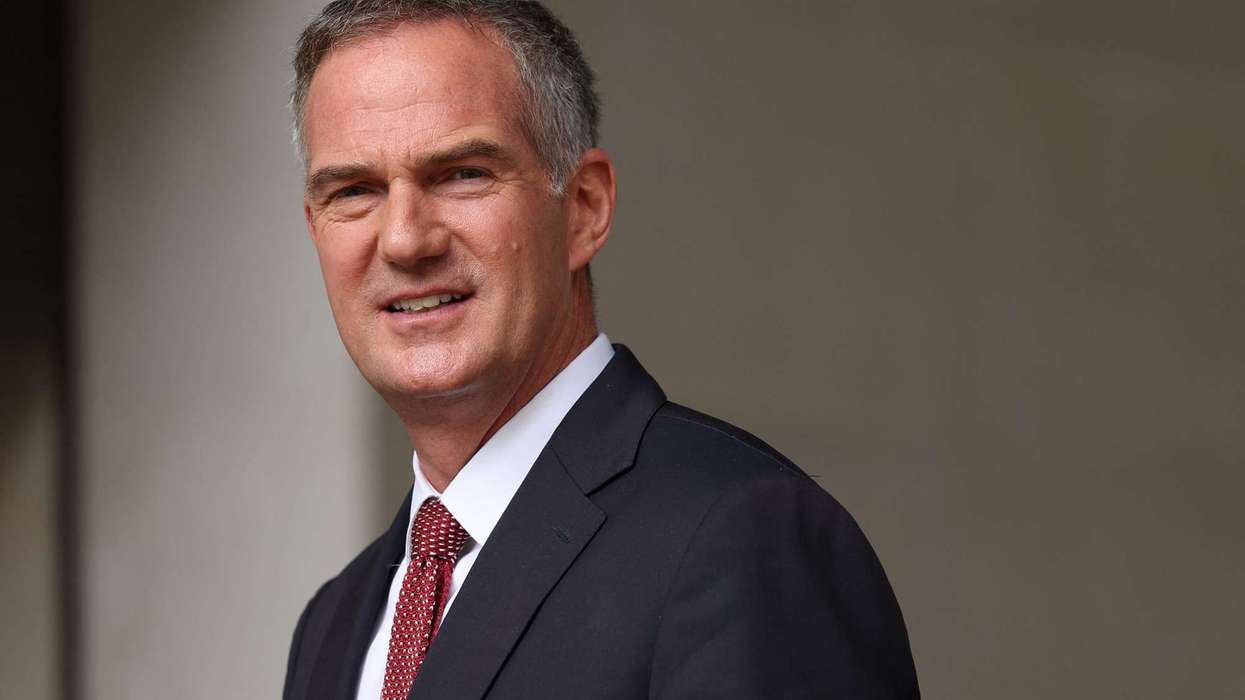

- Peter Kyle says pension funds should invest more in British businesses and infrastructure.
- Government could make UK investment mandatory if voluntary commitments fall short.
- Ministers want pension savings to play a bigger role in boosting economic growth.
The UK government has stepped up pressure on UK pension funds, warning they could be legally required to invest more in British businesses if voluntary commitments fail to deliver. Business Secretary Peter Kyle said pension providers have a responsibility to support the domestic economy and signalled that ministers are prepared to use legislative powers if necessary.
Speaking at an event hosted by Lloyds Banking Group in London, Kyle reportedly said he would prefer voluntary action over legal intervention but would not hesitate to introduce mandatory investment rules if progress remained slow.
"I don't think mandation is ideal in any circumstances. But I'll use it if I have to, because I'm in a rush," he reportedly said.
Pressure mounts on pension industry
The comments come as the government continues its push to channel more pension fund investment into UK assets, including infrastructure, clean energy projects and high-growth businesses.
Kyle reportedly said he was frustrated that, despite years of government reforms aimed at encouraging domestic investment, many of the UK's largest asset managers were still not investing enough in British companies.
"They are representing British savers. And so they should feel a patriotic duty in making Britain a success," he reportedly said. He also urged pension funds to "get off their high horses" and play a more active role in supporting economic growth.
Successive governments have attempted to increase pension fund investment in the UK economy. Last year, Chancellor Rachel Reeves secured the Mansion House Accord, under which 17 of the UK's largest pension providers agreed to unlock up to £50 billion for investment, with at least half expected to be directed towards UK assets.
Earlier this year, ministers also secured back-stop powers that could allow mandatory investment rules if voluntary commitments fail to deliver, although those powers cannot be used before 2028.
Industrial strategy to stay on course
Kyle's remarks come as Labour prepares for an expected leadership transition later this month. He said the government's industrial strategy would remain a priority and expressed his desire to continue in his current role to provide stability.
He also argued that Britain needed stronger regional investment and greater support for businesses outside London and the South East, saying the government's long-term growth strategy would continue regardless of any political transition.
The Treasury believes directing more domestic pension investment into British businesses and infrastructure could help drive innovation, improve productivity and strengthen long-term economic growth. However, many pension providers have maintained that investment decisions should remain focused on achieving the best returns for savers rather than meeting government policy objectives.