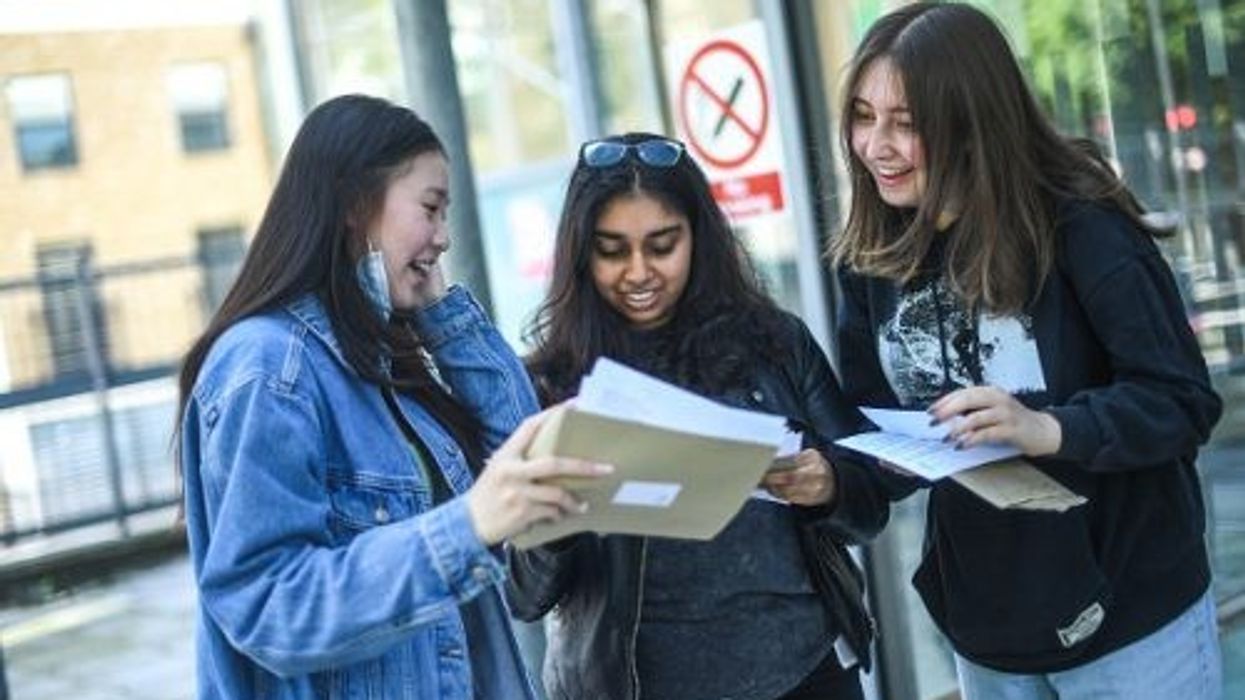

POORER pupils are more likely than ever to miss out on top university courses, experts have warned, saying that this year’s “inflated” A-level results have widened the gap between private and state schools.
As the proportion of A-level students scoring top grades reached a record high, with nearly half achieving an A or above- after exams were cancelled and marks were determined by teachers- data from regulator Ofqual showed the increase in A grades was 50 per cent higher in independent schools than in secondary comprehensives, reports said.
The data from Ofqual has prompted fears among experts that this gap may combine with the record number of university applications to “compound” inequality in the education system.
Ofqual’s data also showed that black students, those on free school meals and those living in areas of high deprivation were all less likely to achieve the top A or A* grades than their more privileged peers.
“It is deeply concerning to see widening socio-economic divides in this year’s A-level results, confirming our worst fears – that the pandemic has exacerbated educational inequalities that were already there,” Dr Elliot Major, professor of social mobility at Exeter University, told The Independent.
He added that he was worried many students from low-income backgrounds might lose out “during the fierce battle for places” – including on top courses at Russell Group and Oxbridge universities.
Stating that applications to universities have shot up this year, Carl Cullinane, head of research at the Sutton Trust education think tank, said there is a danger of pupils from independent schools “pulling away” from those in state schools.
The proportion of A-level entries awarded an A grade or higher rose to an all-time high after students were given grades determined by teachers, rather than based on external exams, reports said. In total, more than two in five (44.8 per cent) of UK entries were reported to be awarded an A or A* grade, up by 6.3 percentage points on last year.
Although teaching unions hailed the success of students in the face of Covid disruption, dismissing concerns about “grade inflation”, experts fear students from less privileged backgrounds won’t be able to take advantage of this year’s record results.
Secretary of state for education Gavin Williamson on Tuesday (10) defended this year's record high A-level grades saying “students deserve to be rewarded” after a year of disruption. He also hinted at the possibility that such a teacher-decided grading system may continue next year too.
Admitting “grades may be slightly higher this year”, Ofqual's interim chief regulator Simon Lebus also said that traditional tests only provided a “snapshot” of a pupil's ability and the new system allowed a fairer assessment gauged over a longer time period.






 Lift their trophies after their respective victories in The Hundred finals at Lord’s in London on August 16Philip Brown/Getty Images
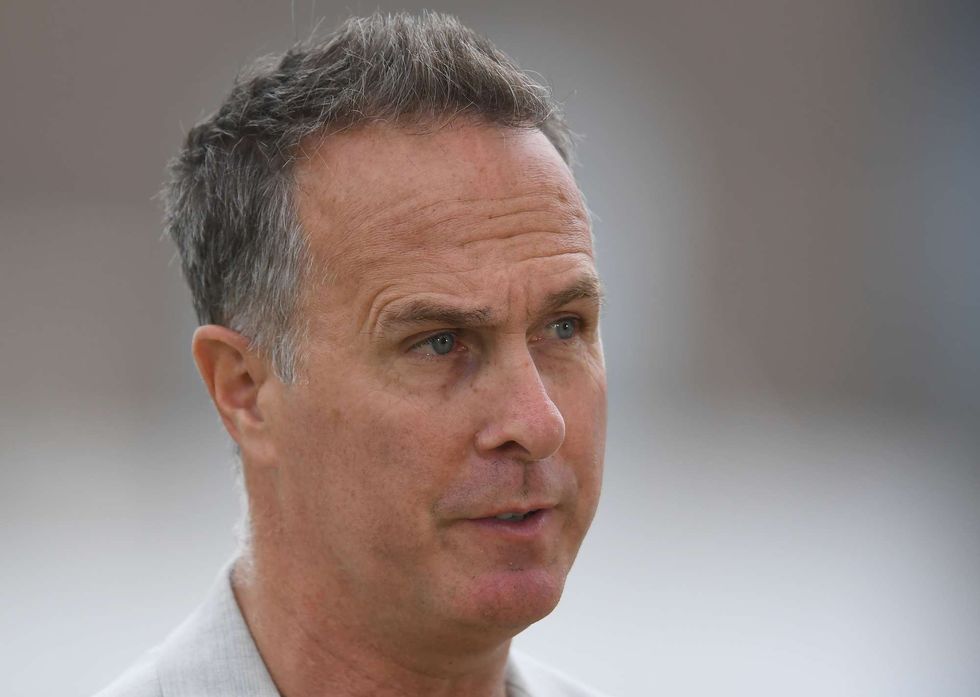 Michael VaughanPhilip Brown/Getty Images
 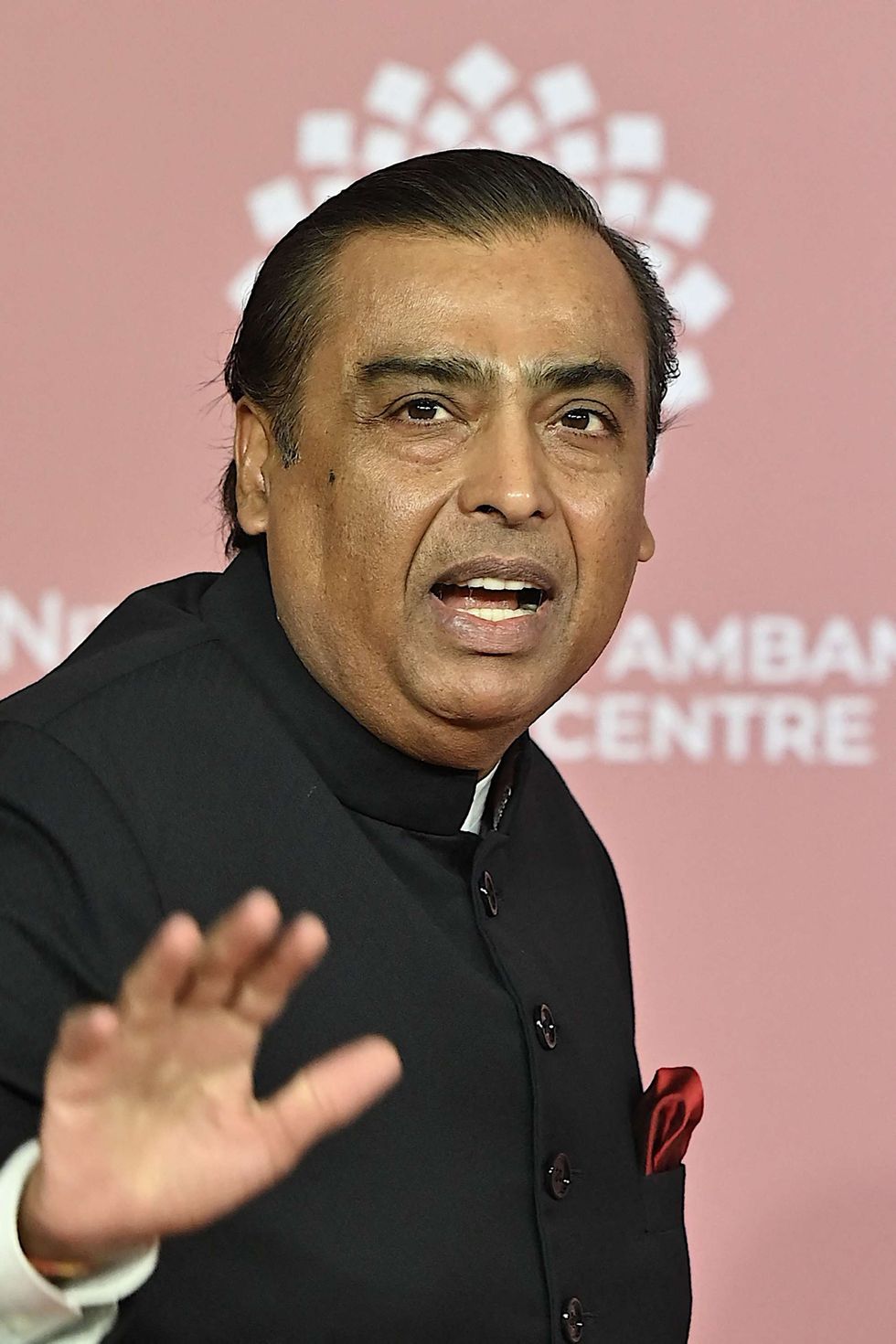 Mukesh AmbaniSujit Jaiswal/AFP via Getty Images
 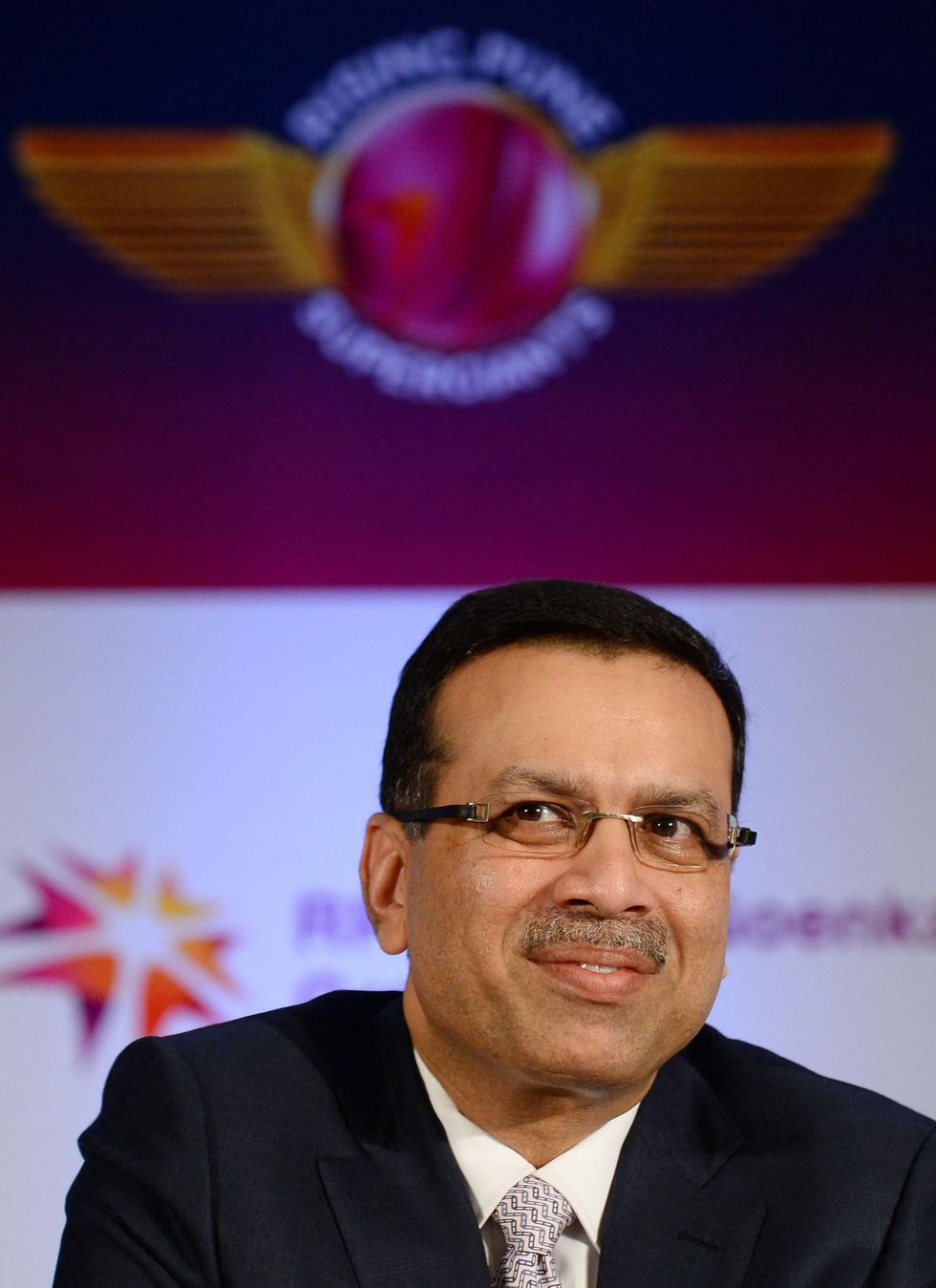 Sanjiv GoenkaSajjad Hussain/AFP via Getty Images
