Villagers in parts of central and eastern India are using their mobile phones to report and resolve problems, from unpaid wages to a lack of handpumps, highlighting the increasing role of technology in tackling inequalities in the developing world.
Mobile phone-based reporting platform CGNet Swara, developed by former journalist Shubhranshu Choudhary and Bill Thies of Microsoft Research India, has logged more than 575,000 calls and published nearly 7,000 stories since its launch in 2010.
It is now betting on cheaper mobile internet services and new technologies to expand its reach, said Choudhary.
"Much of mainstream media and all of social media is largely for educated, urban, mostly English-speaking people," he said.
"This is a platform for people on the wrong side of the digital divide, a more democratic medium for those who have never had the opportunity to speak and be heard."
India is the world's second largest mobile phone market by users after China with more than 1 billion subscribers, thanks to cheap handsets and among the lowest call rates in the world.
But a divide persists: while about 60 percent of urban Indians use the internet, less than a fifth of rural Indians do.
'Swara' means voice in Hindi, and CG stands for Central Gondwana, the region across central and eastern India where the indigenous Gond community lives.
This includes the states of Madhya Pradesh, Chhattisgarh, Odisha, Jharkhand and Bihar, some of the least developed in the country.
Users send a missed call to a central number, which calls them back. An interactive voice response system guides callers to report a problem or item of interest, or listen to stories others have recorded.
Reports of problems are followed up with calls to officials for a resolution.
CGNet Swara logs about 900 calls a day, many of them related to the poor quality of schools or roads, accessing welfare schemes, and land and forest rights, Choudhary said.
Less than a third of the callers are women, as men tend to control mobile phones in rural areas, and social norms such as not being allowed to go out or speak to strangers also limit women, said Thies.
"So this is potentially a very powerful tool for women," he said.
"It is often the case that technology excludes a certain kind of people - women or people without high incomes, a certain education or linguistic ability. We see this as a force of inclusion, a force of unification in society."




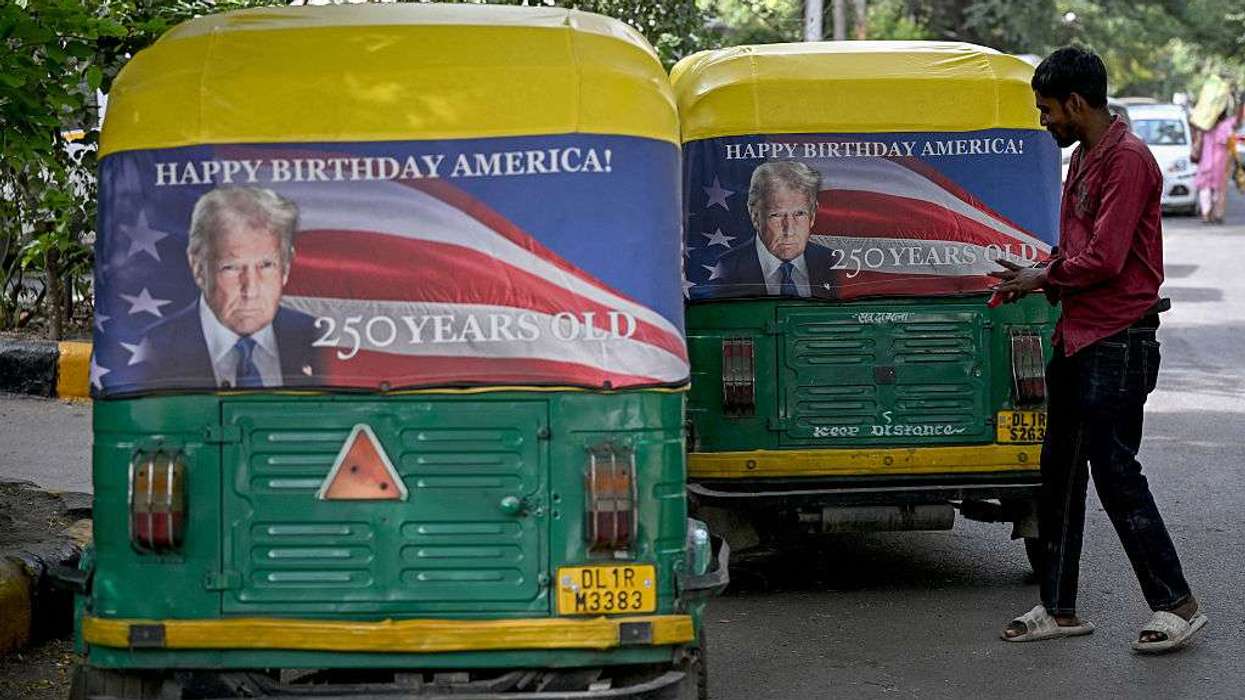
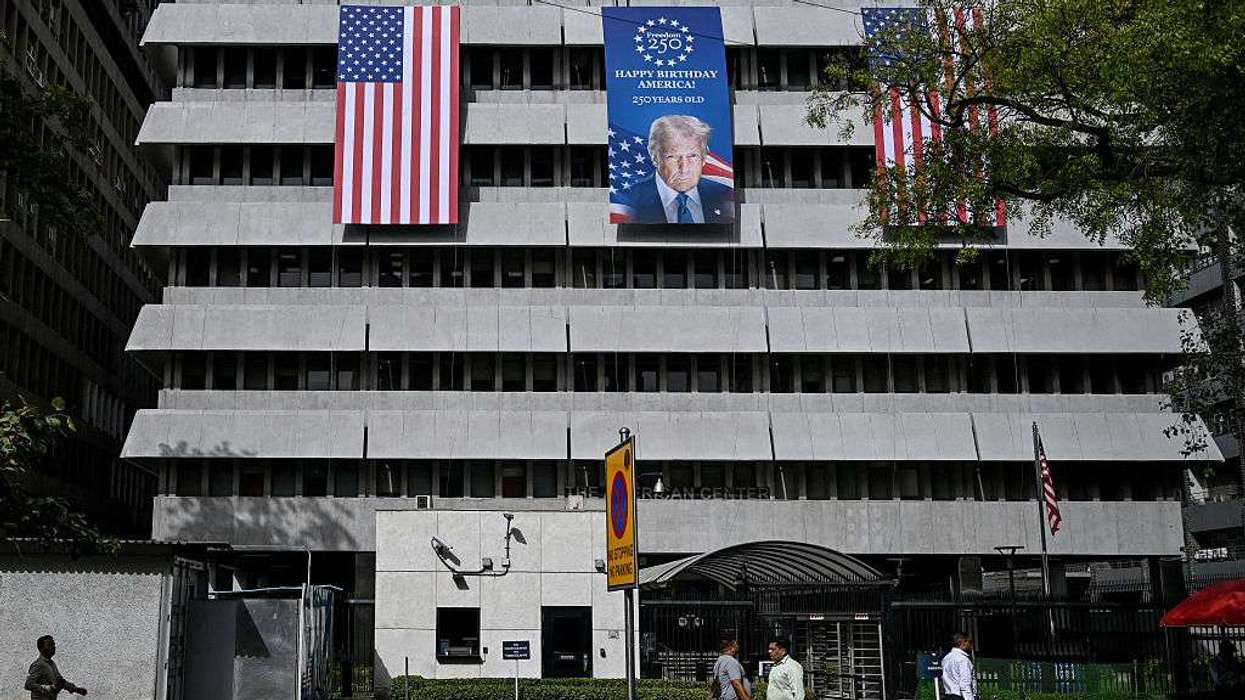 Pedestrians walk past a poster featuring US President Donald Trump outside the American Center in New Delhi on May 21, 2026 marking the 250th anniversary of American independence. (Photo by Arun SANKAR / AFP via Getty Images)
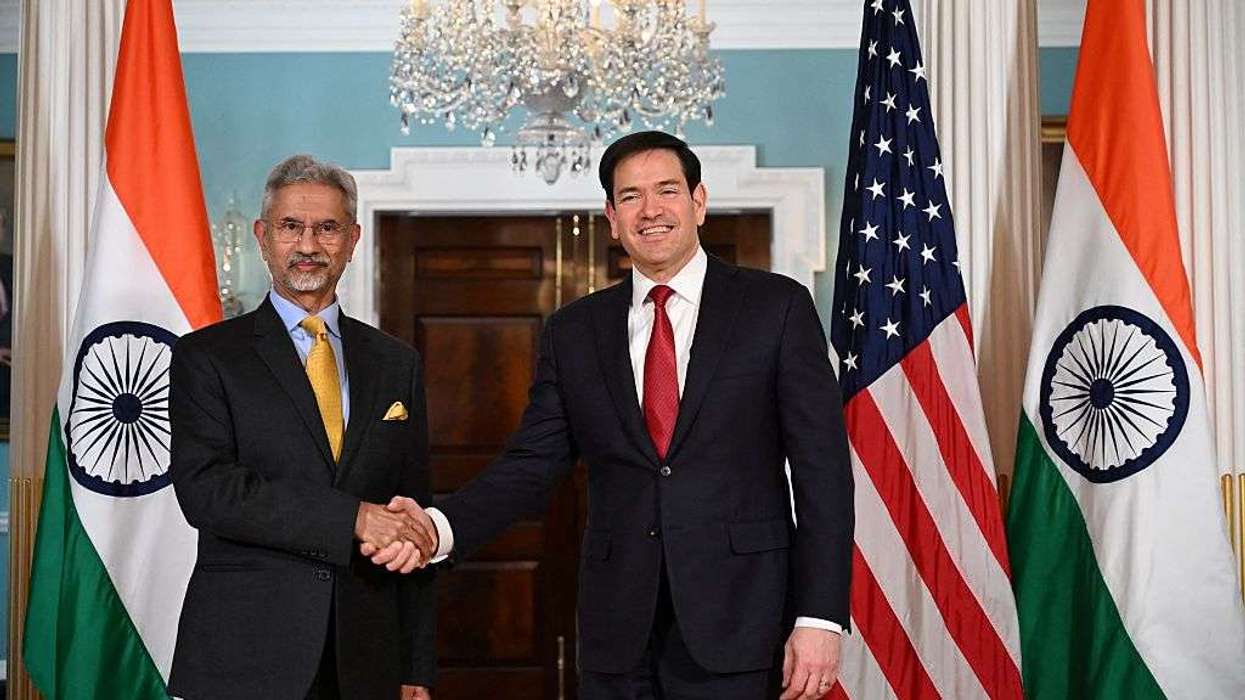 FILE PHOTO: US secretary of state Marco Rubio (R) meets with Indian foreign minister Subrahmanyam Jaishankar at the State Department in Washington, DC, on February 3, 2026. (Photo by Alex WROBLEWSKI / AFP via Getty Images)