Skip to content
Search

Latest Stories

Submit Guest Post

Indian rupee plunges to record low against US dollar

THE Indian rupee on Thursday (16) declined 36 paise to an all-time low of 76.80 against the US dollar in opening trade. 

Forex traders said the weakness in the rupee was largely due to strengthening of the US Dollar against the basket of currencies as investors fled to safe haven Greenback amid weakening risk appetite in the markets.


The rupee opened weak at 76.75 at the interbank forex market and then fell further to hit an all-time low of 76.80, down 36 paise over its last close.

The Indian currency settled at 76.44 against the US dollar on April 15.

Indian equity markets also started on a negative note as Asian stock markets are set to tumble amid increasing gloomy economic outlooks for Asia, Reliance Securities said in a report.

IMF said that Asia's economic growth this year will grind to a halt for the first time in 60 years, as the COVID-19 crisis takes an 'unprecedented' toll on the region's service sector and major export destinations, the report noted.

The number of COVID-19 cases around the world has crossed over two million. In India, nearly 12,000 coronavirus cases have been reported so far.

The dollar index, which gauges the greenback's strength against a basket of six currencies, rose by 0.46 per cent to 99.91.


Add EasternEye As Your Trusted Source
preferred source on google news

More For You

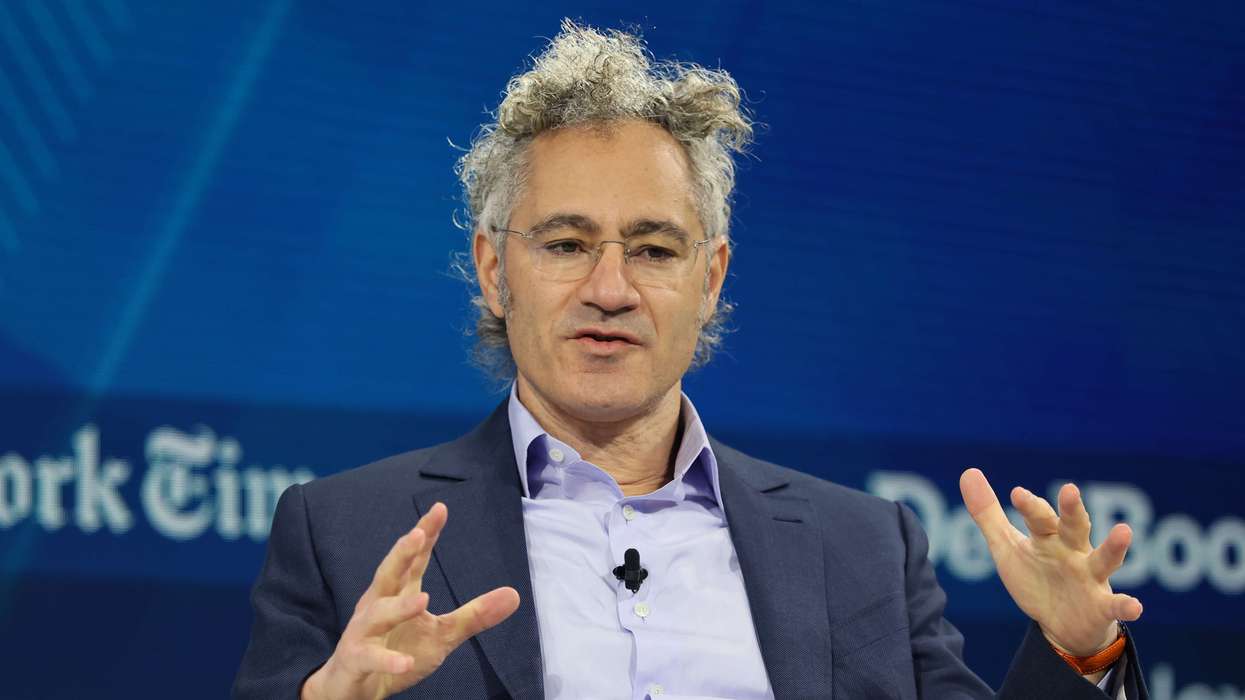
Palantir CEO Alex Karp

Alex Karp says artificial intelligence could deepen wealth inequality even as it transforms the global economy

Getty Images

Palantir CEO Alex Karp says those who'll really get rich from AI are people you wouldn't invite to dinner

  • Alex Karp believes AI will make a handful of people vastly richer while average workers see far smaller gains.
  • The Palantir CEO says the biggest winners from AI may be people most of society cannot relate to.
  • Other business leaders and AI experts have also warned that the benefits of artificial intelligence could become heavily concentrated.

Artificial intelligence may improve living standards, but it could also create one of the widest wealth gaps in modern history. That is the warning from Palantir CEO Alex Karp, who believes the biggest financial rewards from the AI boom will flow to a small group of technology insiders rather than the wider public.

Karp's comments come as the AI industry continues to attract record investment, pushing the market values of technology companies to new highs. The debate over AI wealth inequality has also intensified, with business leaders and researchers questioning who will ultimately benefit from the technology's rapid growth.

Keep ReadingShow less