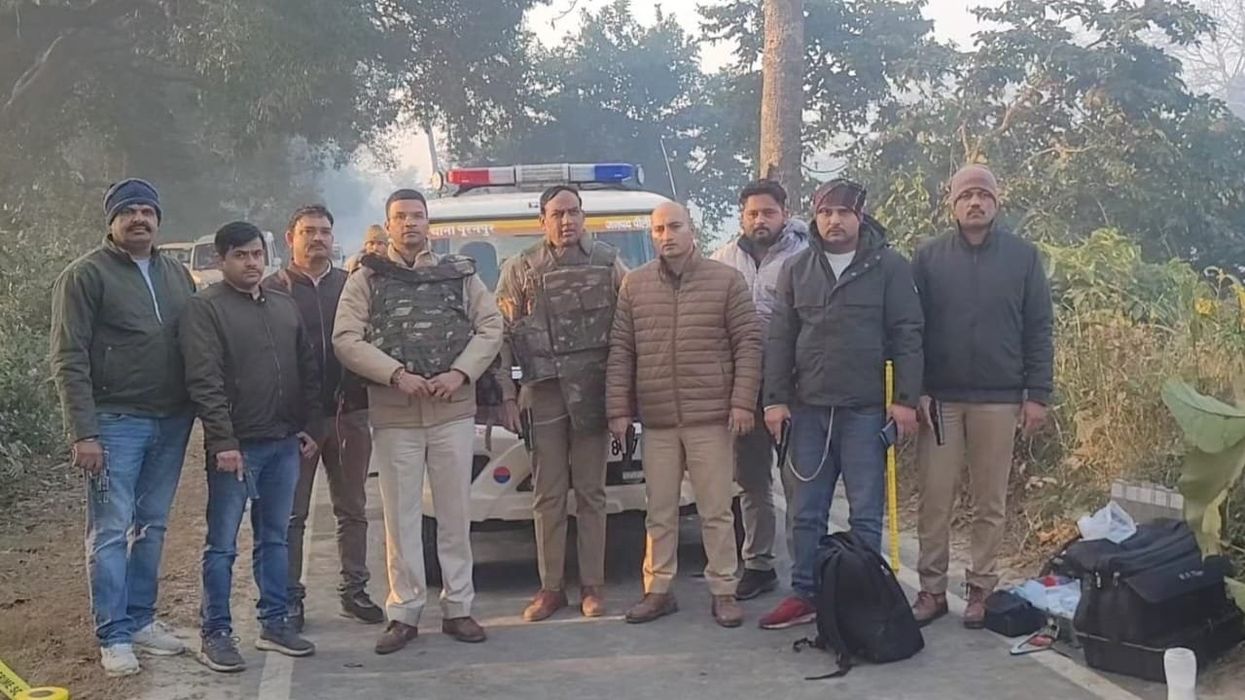

INDIAN police announced on Monday that they had killed three Sikh militants associated with the struggle for a separate homeland known as "Khalistan." The movement has a history of deadly violence in the 1980s and 1990s.
The push for Khalistan was at the centre of international tensions last year after allegations linked Indian intelligence operatives to the killing of a prominent Sikh leader in Canada and an attempted assassination in the United States. New Delhi dismissed these claims.
In the latest development, the militants were killed in a gunfight in Pilibhit district, located in the northern state of Uttar Pradesh.
Police said the men were wanted in connection with a grenade attack earlier this month on a police outpost in Punjab. Pilibhit police superintendent Avinash Pandey stated that officers surrounded the suspects following a tip-off, after which the men opened "heavy fire."
"In the retaliatory action, all three were critically injured and later died in hospital," Pandey said.
Authorities reported recovering two assault rifles, two pistols, and a large cache of ammunition from the scene.
Punjab police chief Gaurav Yadav identified the men as members of Khalistan Zindabad Force, a militant group.
The Khalistan movement traces its roots to India's independence in 1947 and has been linked to events such as the assassination of an Indian prime minister and the bombing of a passenger jet.
India has called for stronger action against the Khalistan movement, which is banned in the country. Leaders of the movement have been accused of involvement in "terrorism."
(With inputs from AFP)



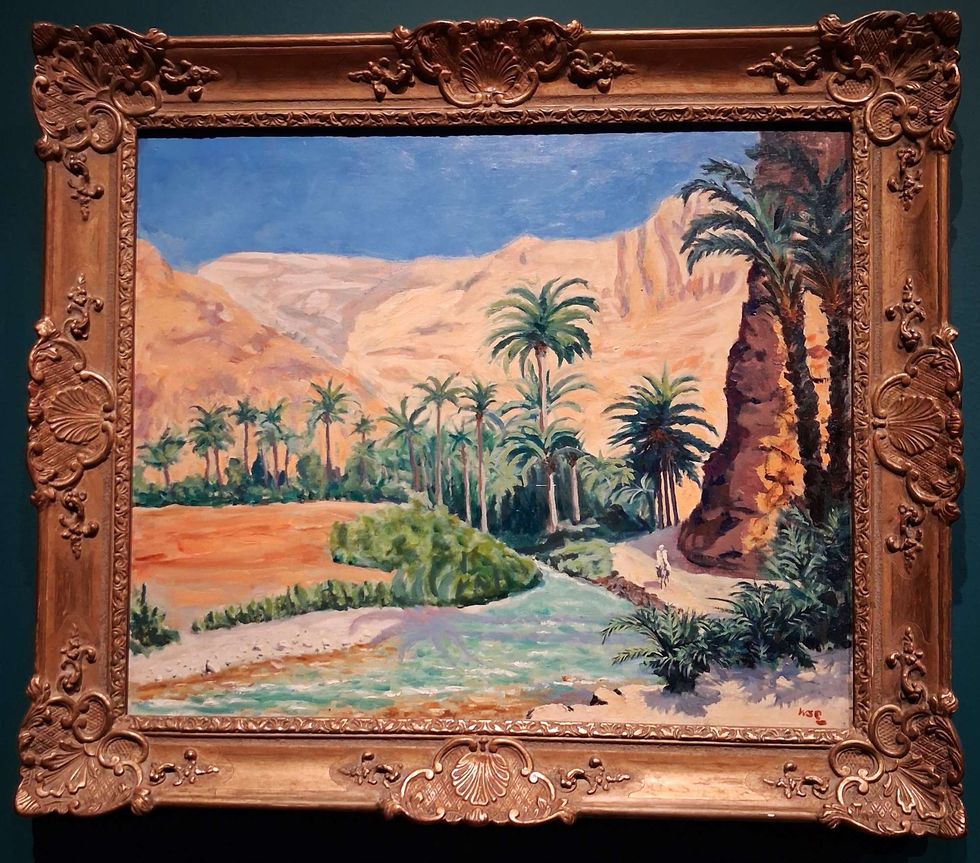 Near MarrakechAmit Roy
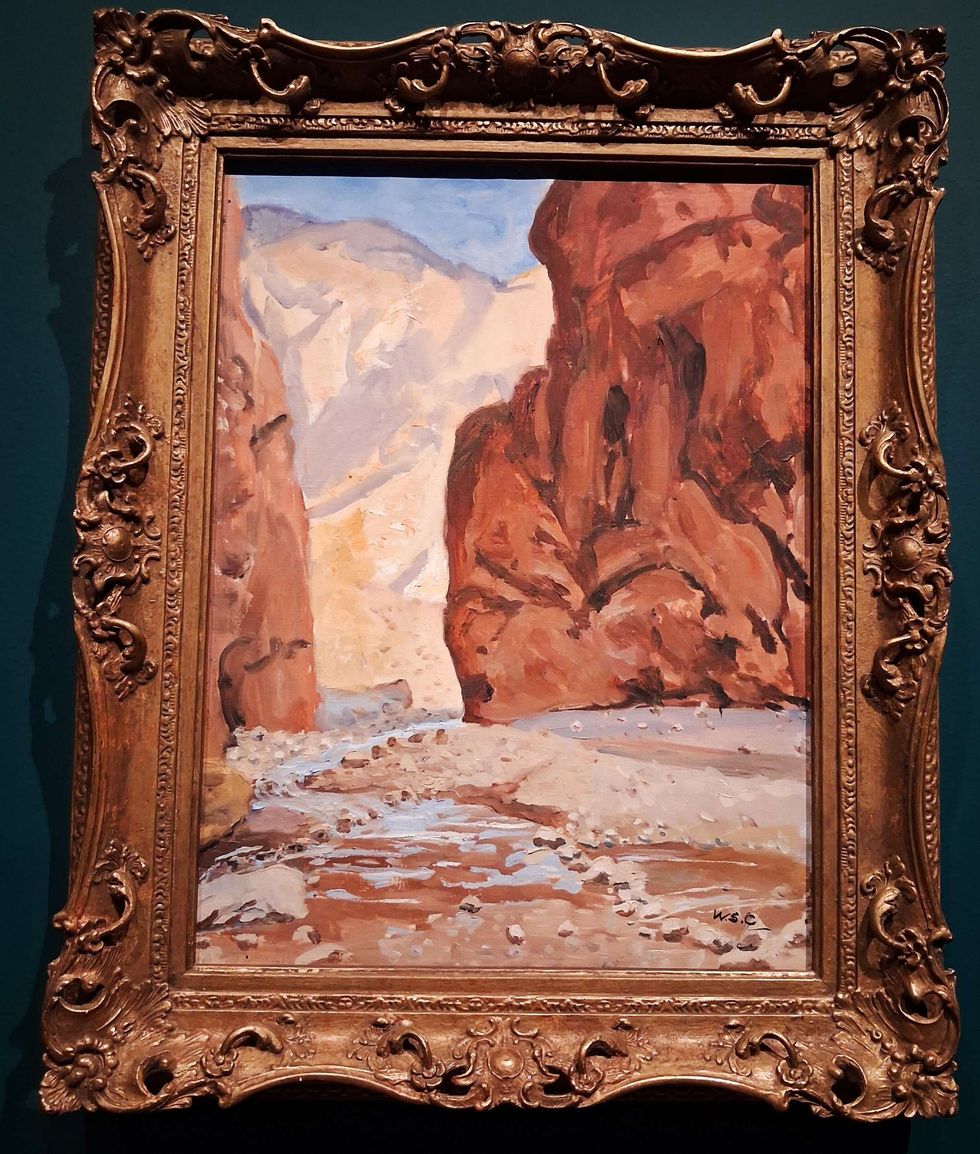 The Todhra Gorge Amit Roy
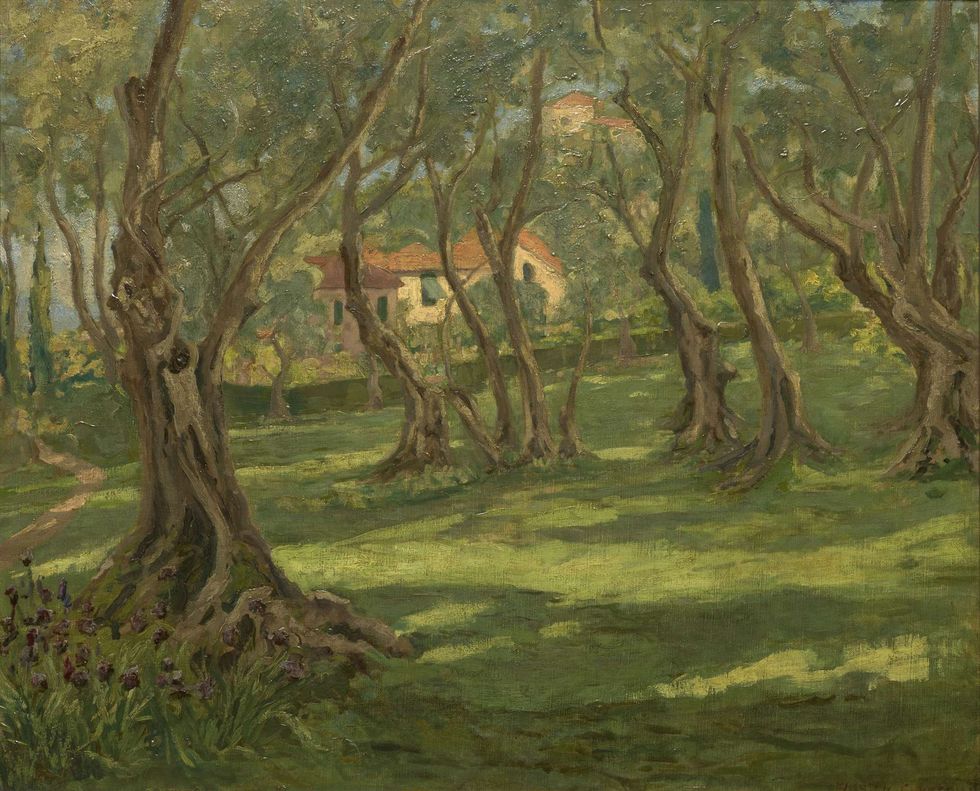 La DragonnièrePrivate Collection © Churchill Heritage Ltd_Photograph by Howard Agriesti
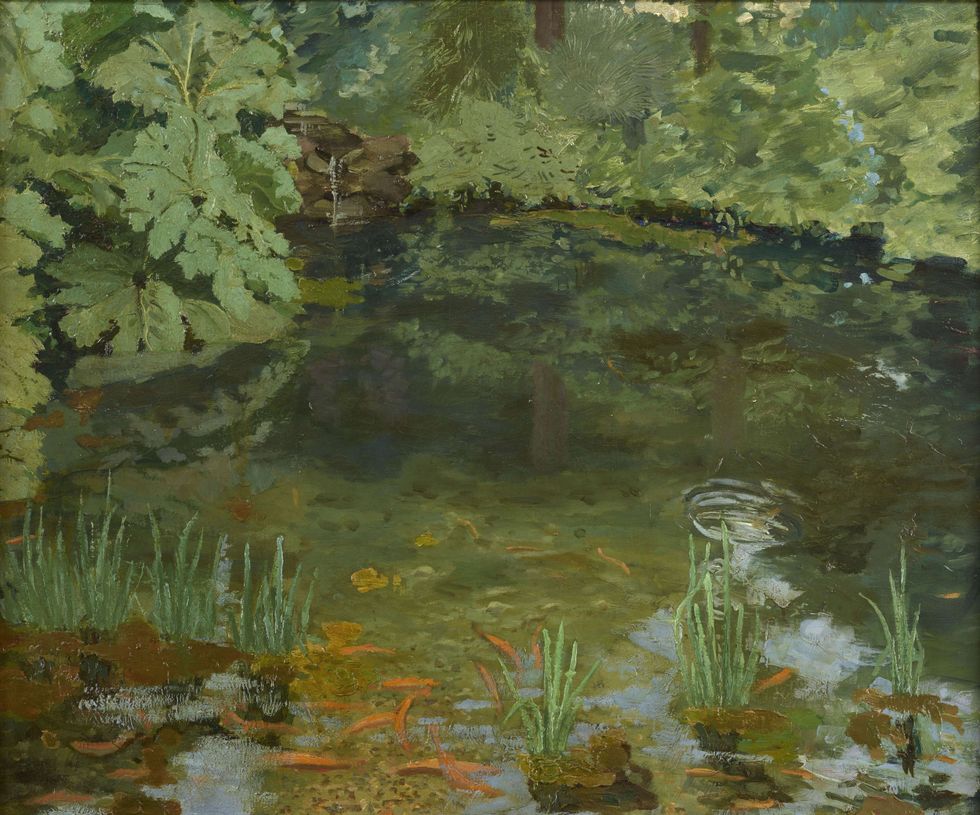 The Goldfish Pool at Chartwell Private Collection © Churchill Heritage Ltd Matthew Hollow Photo
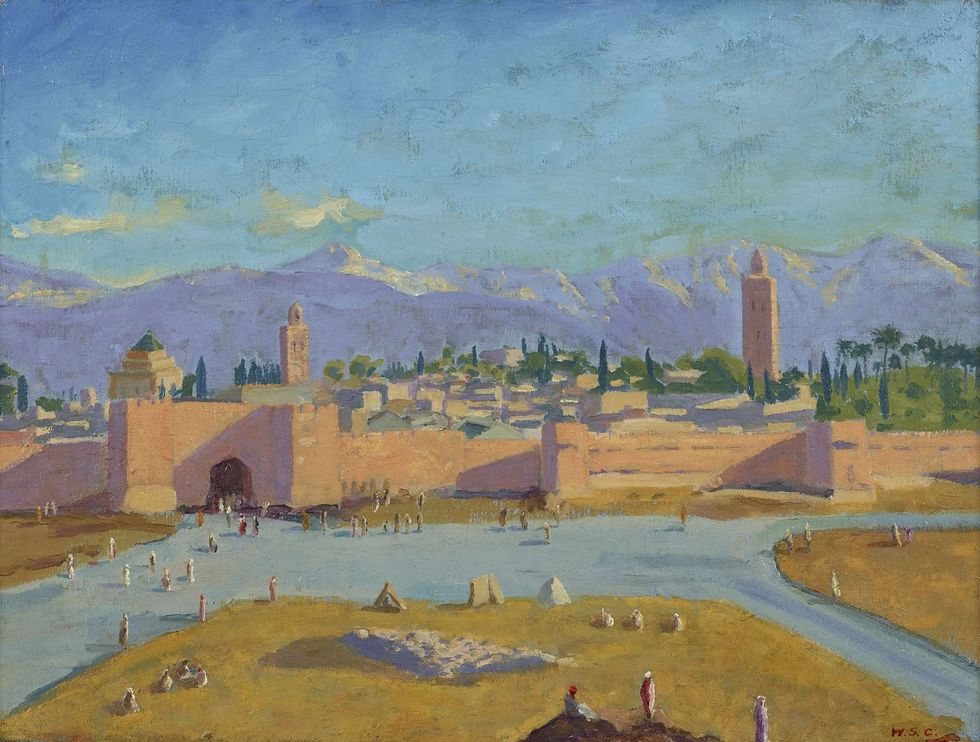 The Tower of the Koutoubia MosquePrivate Collection © Churchill Heritage Ltd_Image courtesy The Churchill Heritage Ltd
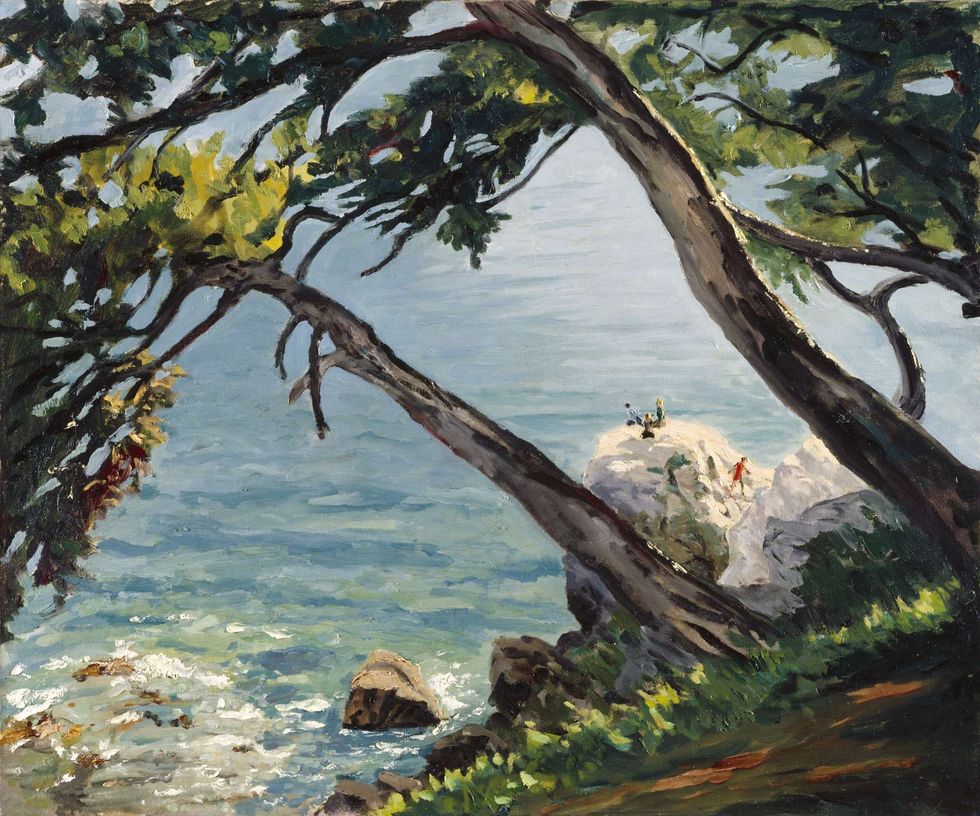 Cap d’Ail, Alpes-MaritimesRoyal Academy of Arts, London © Churchill Heritage Ltd Photo ©Royal
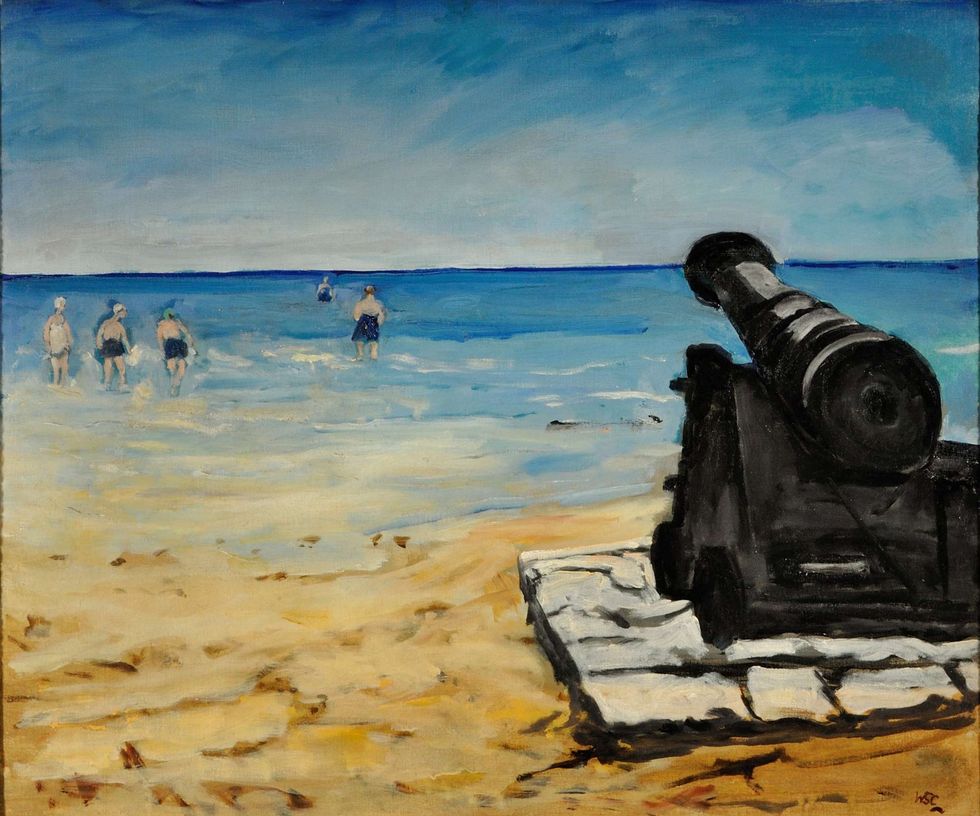 The Beach at Walmer America's National Churchill Museum at Westminster College, Fulton, Missouri © Churchill Heritage Ltd
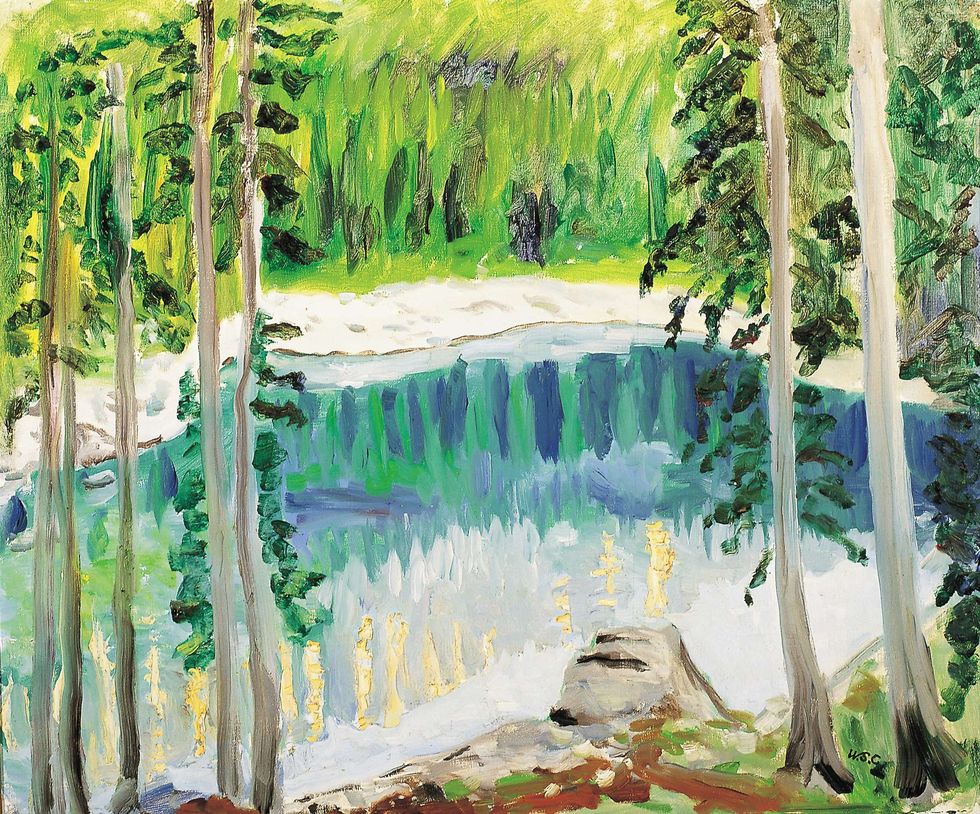 Sketch of Lake Carezza, or ‘The Twenty-Minute Sketch'National Trust, Chartwell © Churchill Herita



Netanyahu faces backlash for calling Britain ‘Islamic Republic’