As India's health system grapples with the coronavirus, doctors are increasingly going online to consult with patients suffering less critical or chronic diseases, while the south Asian economy prepares to emerge from a nationwide lockdown.
To head off a rush at clinics and an accompanying risk of infection, many doctors are turning to video calls and WhatsApp chats, in addition to regular telephone calls, to treat patients suffering from illnesses such as diabetes or kidney conditions.
"There is a lockdown, patients cannot come, but the disease will not wait," said Sushila Kataria, the director of internal medicine at Medanta Hospital in Gurugram near New Delhi.
Kataria said she had started treating nearly 80 per cent of patients online, with physical check-ups limited only to urgent cases.
Despite one of the world's strictest lockdowns since late March, India's tally of virus infections stands at more than 165,000, with 4,706 deaths.
The spread has overwhelmed many hospitals, already grappling with a shortage of beds and doctors, diverting attention from non-virus patients and those with chronic illness.
With its health system overstretched even in normal times, India issued telemedicine guidelines in a push for internet consultations.
Patients could go online to book appointments and make advance payments, with free follow-up consultations, even before the pandemic, but now it is helping to formalise the process.
General physician Devendra Taneja said an emergency video call cost the most, with calls scheduled in advance cheaper and fees for a phone call lower still, while a WhatsApp chat was the cheapest.
Treatment from home reassures some, such as Pradeep Kumar Malhotra, a 69-year-old patient of Taneja's who recently had spinal chord surgery.
"One is actually afraid to go and see a doctor," Malhotra said. "We might catch infection from the hospital. That is a big problem."
Yet doctors must struggle with poor network connections and find ways to build patient trust.
Being unable to perform physical examinations of pregnant patients could be frustrating, said gynaecologist Mukta Kapila, adding, "Not being able to provide the healing touch at this time makes you feel a little incomplete as a doctor."




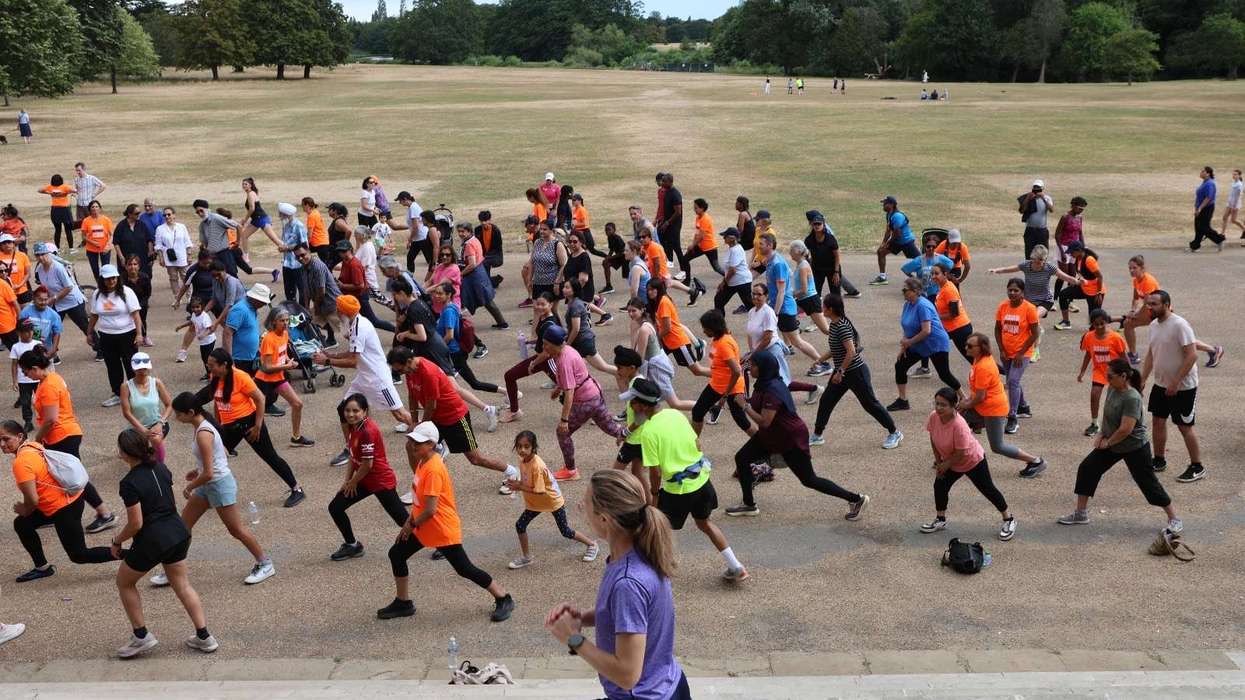
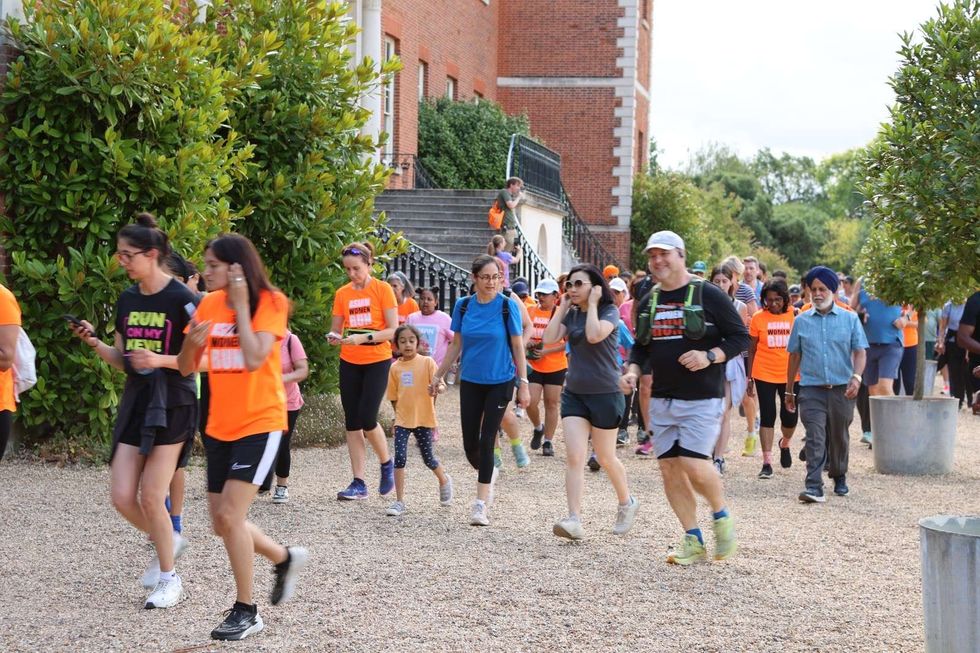 Participants set off on the 5K and 10K routesMinreet Kaur