
INDIA's Aurobindo Pharma on Wednesday (20) dismissed media reports suggesting it had finalised a deal to acquire Czech drugmaker Zentiva, calling the claims “premature” and added that no binding agreement has been signed.
The clarification came after The Economic Times reported that Aurobindo was the frontrunner to acquire Zentiva from US-based private equity firm Advent International in a deal valued between $5 billion and $5.5bn (around £3.95bn to £4.35bn). If confirmed, this would be the largest-ever overseas acquisition by an Indian pharmaceutical company.
However, Aurobindo issued a statement to stock exchanges denying that any agreement had been finalised.
“As part of our business strategy, the company regularly explores various strategic opportunities, including potential acquisitions and partnerships, which can enhance shareholder value,” Aurobindo Pharma said in a regulatory filing on Wednesday.
“But at present, no binding agreement or definitive decision has been made by the Board of Directors of the company in relation to the transaction referred to in the said article(s). Accordingly, the said news item is premature and should not be relied upon,” the company added.
Aurobindo also assured investors that it would make timely disclosures if any definitive development arises that requires notification under India's regulator, SEBI.
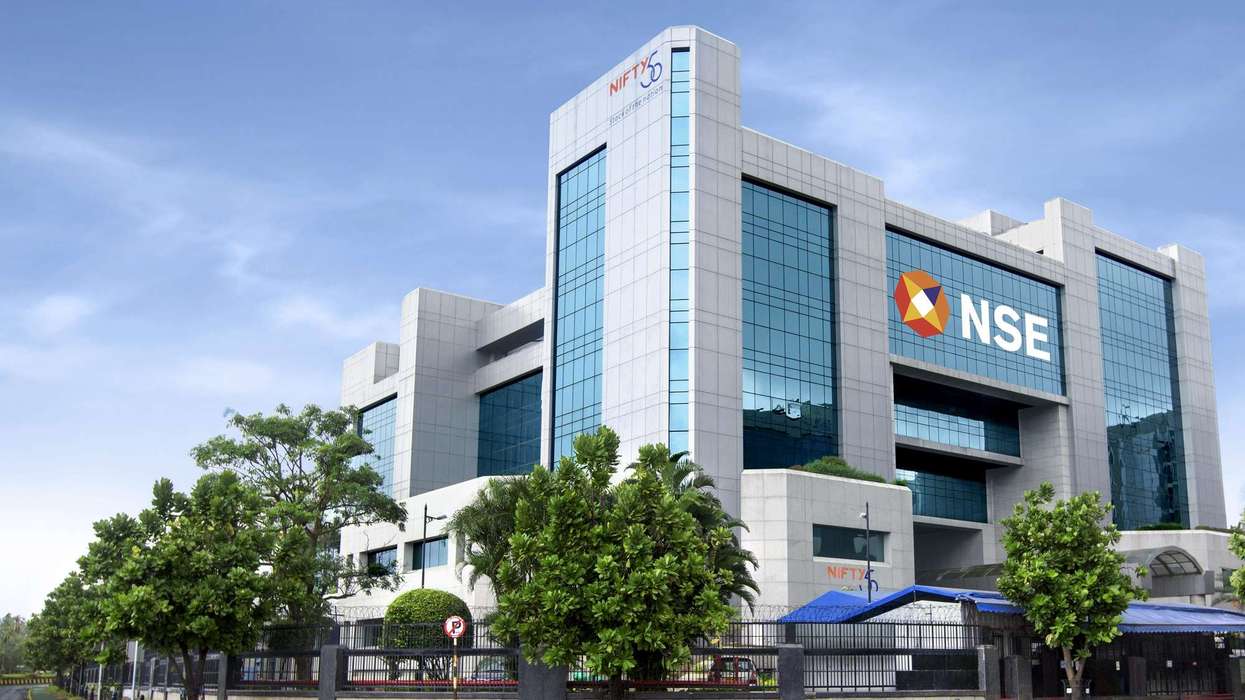
The company's shares fell as much as 4.7 per cent during early trading on Wednesday after the report was published, but recovered slightly following the clarification. The stock closed 3.9 per cent lower on the NSE. So far in 2025, Aurobindo Pharma’s stock has dropped around 21 per cent, compared to a two per cent rise in the benchmark Nifty 50 index.
Advent International and Zentiva have not commented on the report.
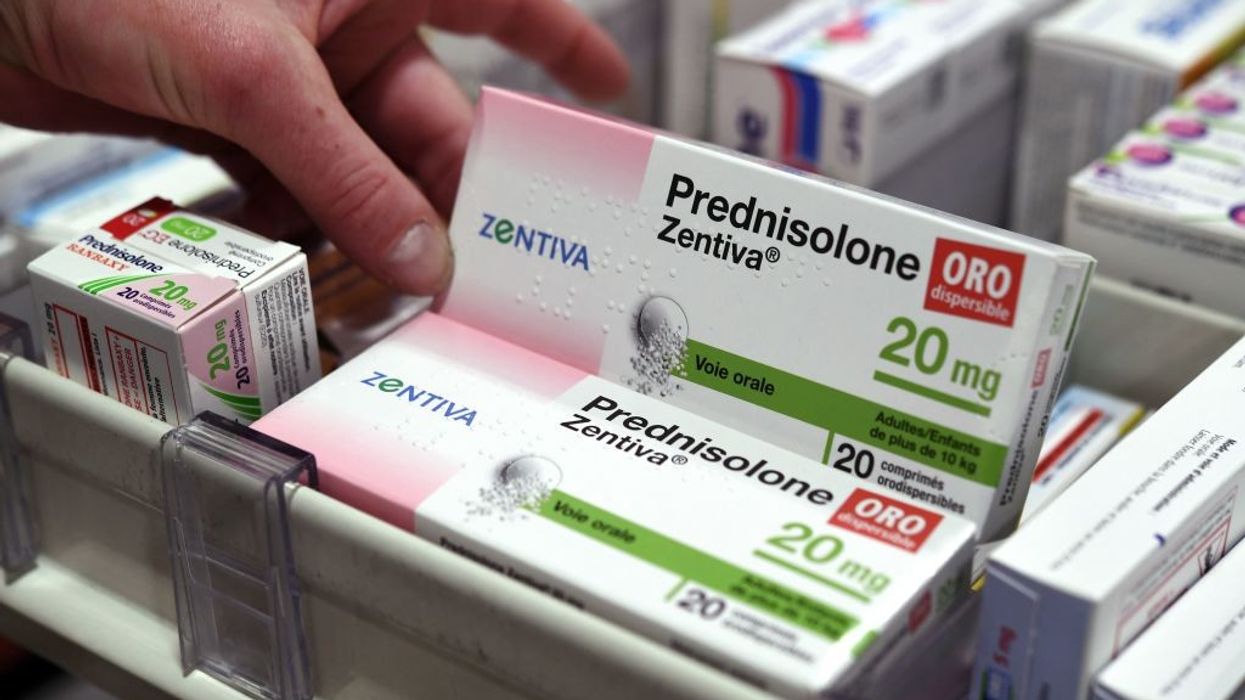
Zentiva, based in Prague, is a well-known producer of generic medicines across Europe. If Aurobindo were to go ahead with the acquisition, it would mark a major step in expanding its presence in the European market and diversifying its portfolio beyond the US.
The reported deal would surpass other significant transactions in the Indian pharma sector, including Sun Pharma’s acquisition of Ranbaxy and Biocon Biologics’ buyout of Viatris’ biosimilar business.
Aurobindo is already active in international expansion. In July, its wholly owned US subsidiary signed a deal to acquire Lannett Company LLC, a generics manufacturer, for about $276 million (£218m). That deal is aimed at strengthening its manufacturing base and product offerings in the US.
The US remains a crucial market for Aurobindo, contributing nearly half of its annual revenue. Industry analysts say Indian pharma firms are increasingly pursuing global acquisitions to mitigate risks from potential US trade policies. US president Donald Trump had recently suggested steep tariffs on imported medicines.
“We’ll be putting initially a small tariff on pharmaceuticals, but in one year – one and a half years, maximum – it’s going to go to 150 per cent and then it’s going to go to 250 per cent because we want pharmaceuticals made in our country," Trump said in an interview.